Alpamayo integrates open models, simulation frameworks and data sets for automotive developers to build on.
Nvidia has unveiled a family of open-source AI models targeting next-generation reasoning-based autonomous vehicles (AV).
‘Alpamayo’ is touted to be the industry’s first chain-of-thought reasoning vision language action model designed for the autonomous vehicle research. The new tool – built for Level 4 autonomy – allows AI systems to “act with human-like judgement” when presented with new scenarios, said Nvidia.
Available for download via Hugging Face, Alpamayo integrates open models, simulation frameworks and data sets, which automotive developers can use to build upon. Rather than running directly in vehicles, the system will serve as “large-scale teacher models” that developers can use to fine-tune their autonomous vehicle stacks, the company said.
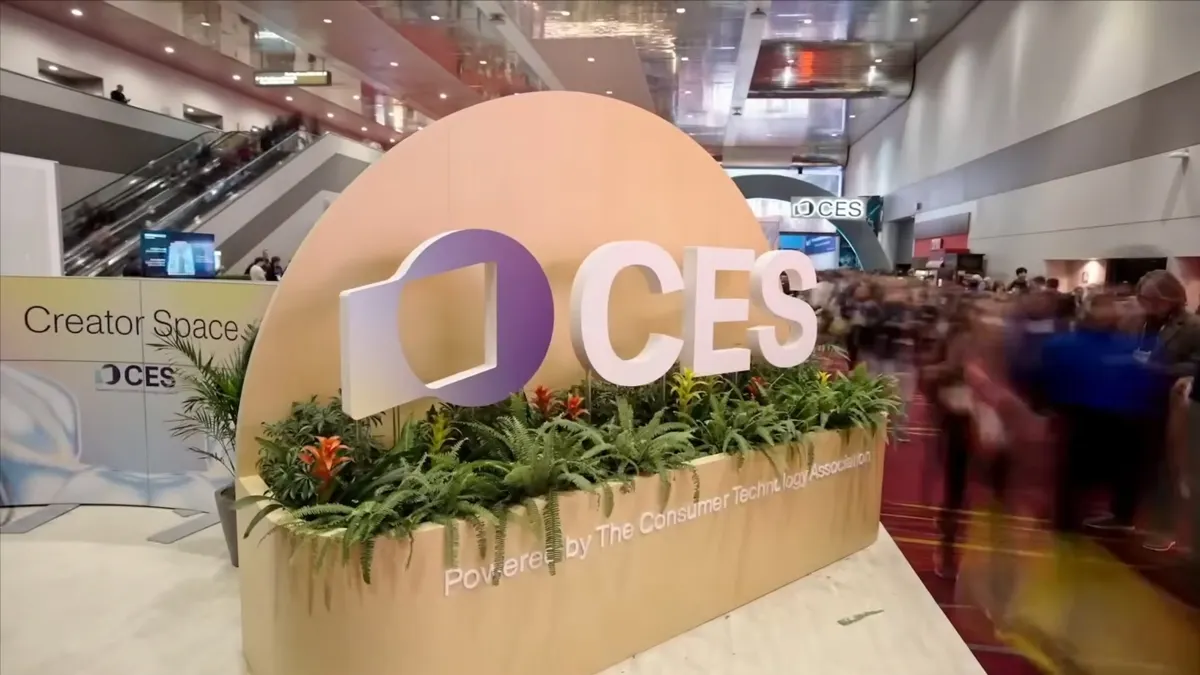
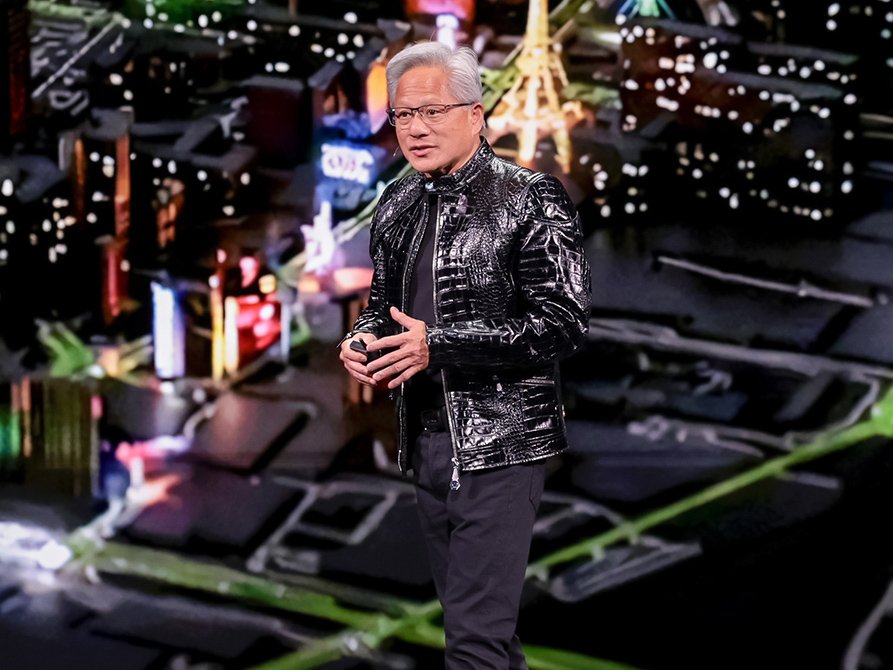
CEO Jensen Huang made unveiled Alpamayo at the annual CES technology showcase yesterday (5 January). “The ChatGPT moment for physical AI is here – when machines begin to understand, reason and act in the real world,” he commented in reference to the system.
“Robotaxis are among the first to benefit. Alpamayo brings reasoning to autonomous vehicles, allowing them to think through rare scenarios, drive safely in complex environments and explain their driving decisions – it’s the foundation for safe, scalable autonomy.”
The company also announced that it is working with robotaxi operators with hopes that the software stack would be picked up for AV use as early as 2027.
The company already has a full-stack platform for AV, spanning cloud, simulation and vehicle. Yesterday, it said that the new Mercedes-Benz CLA will be launched with its advanced driver assistance capabilities by the end of the year. The new vehicle will be released in the US first before being rolled out to Europe and Asia.
Speaking at the company’s annual shareholders’ meeting last year, Huang said that alongside AI, robotics represents Nvidia’s other biggest market for potential growth, placing self-driving cars first in line to benefit from the technology’s commercial application.
Automakers Toyota, Aurora and Continental announced partnerships with Nvidia at last year’s CES to develop and build their consumer and commercial vehicle fleets using the chipmaker’s AI tech.
Goldman Sachs predicted last year that the robotaxis’ ride share market in North America will grow at a compound annual rate of around 90pc from 2025 to 2030, which could push the gross profit for the US AV market to around $3.5bn.
Nvidia’s latest AV announcements come just after Alphabet’s Waymo suffered a major setback after a massive power outage in San Francisco last month halted several of its vehicles on the road.
Alongside announcing Alpamayo, Nvidia unveiled Rubin, its first extreme-codesigned, six-chip AI platform now in full production. The Rubin platform is the successor to the company’s Blackwell architecture.
Don’t miss out on the knowledge you need to succeed. Sign up for the Daily Brief, Silicon Republic’s digest of need-to-know sci-tech news.