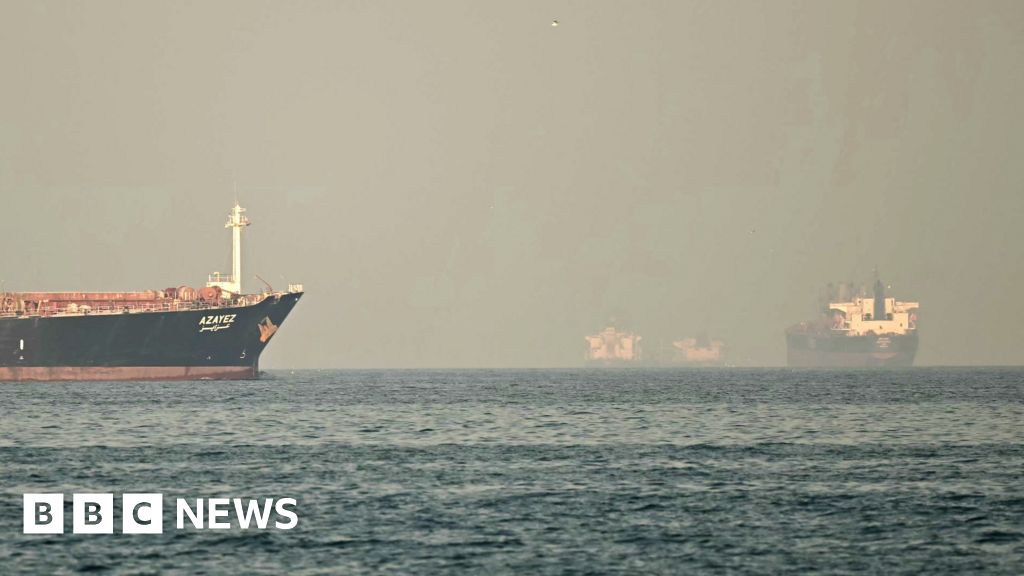
The joint U.S. and Israeli strike on Iran has rattled energy markets and renewed fears of a major supply disruption in the Middle East. Traders now focus on whether Tehran will retaliate in a way that threatens the Strait of Hormuz, a narrow passage that handles a huge share of global oil shipments.
Iran ranks as the fourth-largest producer in OPEC, pumping just over 3 million barrels per day in January. Its coastline borders the Strait of Hormuz, through which roughly one-third of the world’s seaborne crude exports pass. Major Asian economies, particularly China, rely heavily on those flows.
Analysts warn that if Iran attempts to disrupt tanker traffic — through mines, missiles or other military pressure — oil prices could spike quickly. Brent crude already climbed above $72 per barrel before the weekend. Some experts expect prices to jump further when trading resumes, as markets price in higher geopolitical risk.
A prolonged closure of the strait would pose a much bigger threat. Gulf producers such as Saudi Arabia, Iraq and the United Arab Emirates ship most of their exports through that corridor. Around 20% of global liquefied natural gas supplies, largely from Qatar, also move through the same route.
Governments could release strategic reserves to cushion short-term shocks. But if the disruption drags on, higher energy costs would likely squeeze consumers, slow trade and increase the risk of a global recession.
Related Readings: