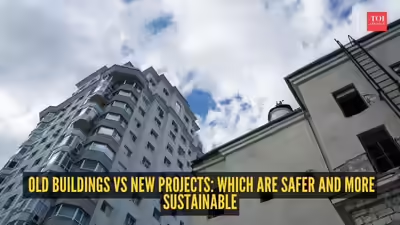
The debate between preserving older buildings and constructing new projects has gained importance in modern urban planning. Questions of safety, sustainability, cost and long-term usability often shape public opinion. While ageing structures carry historical value and environmental advantages, new developments promise compliance with modern safety standards and advanced construction technologies. Understanding the balance between these two perspectives helps create more informed decisions about the built environment.
Sustainability advantages of older buildings
One of the main reasons supporting the use of older constructions is environmental sustainability. Older constructions exhibit a desirable level of environmental sustainability, as they eliminate the adverse effects of obtaining raw materials, manufacturing, and undertaking construction activities. Reusing existing structures has minimal environmental impact, whereas a new energy-efficient building may take decades to offset the carbon emitted during its construction.The carbon footprint that is likely to be produced through retrofitting can also be significantly lower compared to demolishing and later rebuilding, which emphasises one of the most significant elements of climate change strategies. Besides, natural resources tend to be preserved as buildings that have stood the test of time continue serving.Dhruv Sarkar & Sahil Marshall, Bhaarat Wealth Group says “Old buildings are usually more sustainable as they often used durable materials but with aging of the building and lack of maintenance the safety of the structures compromises over time. But to make these old buildings more sustainable they often need retrofitting properly which involves high costs due to outdated structures norms. Whereas the new projects are generally more safer as they follow the current building by-laws, with improved RCC (concrete) standards, modern materials and architecture allowing the new aged projects to be more sustainable in the long term thereby providing safer living.”
Safety and efficiency challenges in ageing structures
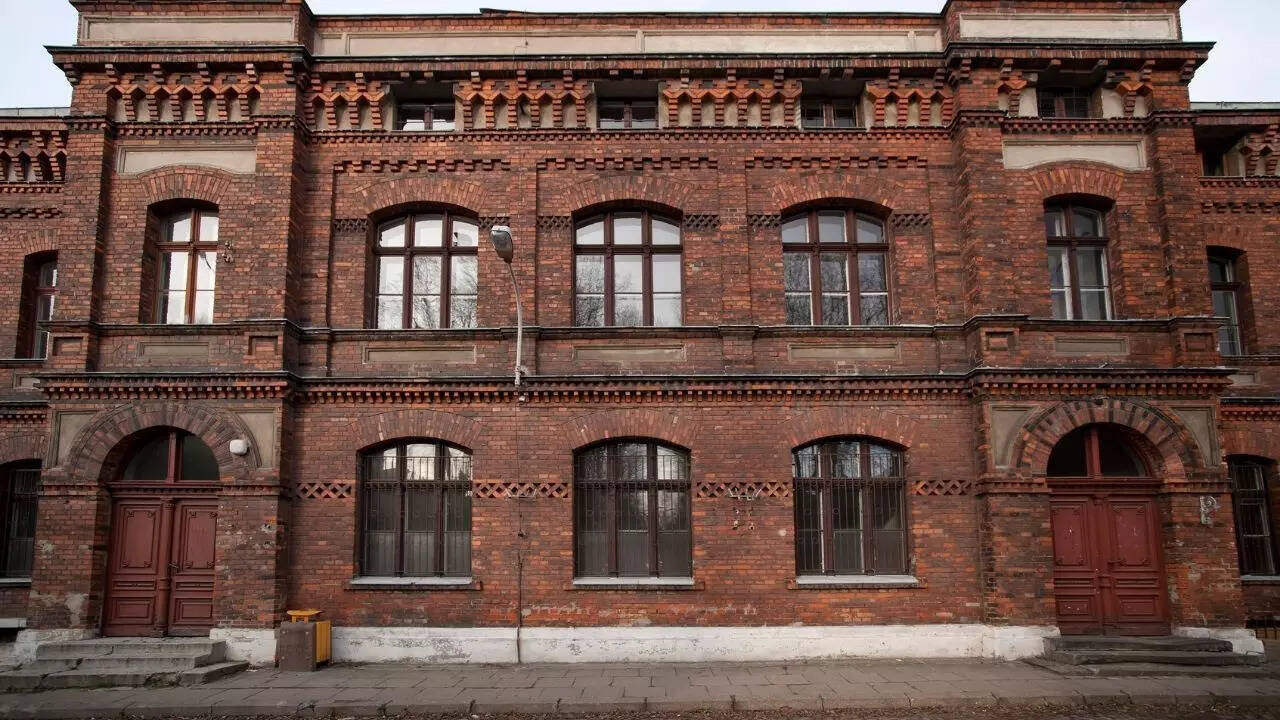
Image Credit: Canva
Despite sustainability benefits, ageing buildings may fail to meet modern safety, accessibility, and energy-efficiency standards. Over time, deterioration, outdated materials, and lack of maintenance can create structural risks or higher fire vulnerability, particularly in buildings lacking modern detection or suppression systems.Retrofitting helps to overcome these gaps by improving the insulation, HVAC systems, lights, and structural reinforcements. This can help in reducing energy consumption by up to 30-80%. It also helps in increasing compliance with current safety codes.However, this may require large investments and may involve complexity, especially for older buildings or buildings in poor condition.
Strengths of new construction projects
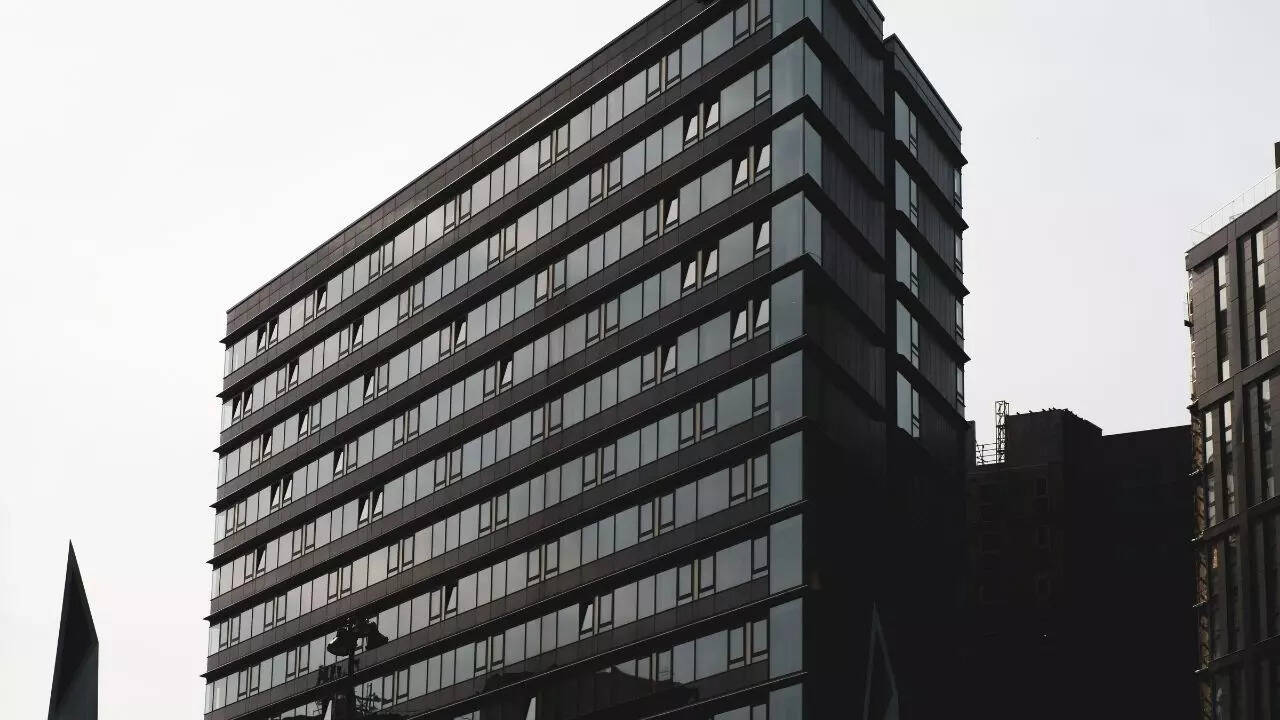
Image Credit: Canva
Generally, new constructions are planned and completed based on the latest requirements of the building code, seismic design norms and fire safety regulations. This allows developers to design and build structures that are highly efficient, robust and service-friendly from the outset with the aid of the latest construction materials and technologies.Contemporary sustainable design is also evolving rapidly. Innovations such as low-carbon materials, smart energy systems, and timber-based construction can significantly reduce operational emissions and improve environmental performance in newly built structures.
Finding a balanced approach

Image Credit: Canva
Rather than viewing old and new buildings as opposing choices, it is better to advocate a blended strategy. Since a large portion of today’s buildings will still exist decades from now, modernising existing structures through retrofitting is considered essential for resilience, safety, and emission reduction.At the same time, carefully planned new construction remains necessary to meet growing urban demand and incorporate cutting-edge sustainability solutions.Both old and new buildings have their own advantages. On one hand old buildings represent culture and have a low environmental impact if maintained and revamped. On the other hand newer buildings ensure safety aspects and efficiency. What really can drive a sustainable future and highlight a more vibrant growth path in these building designs and developments becomes not a matter of comparing the two, but one which incorporates and balances old and new in effective and sustainable ways. This would truly allow for a safer and sustainable environment in cities to develop and thrive in the future.