The Pure Telecom survey indicated people are increasingly wary about the ethical implications of supporting a platform owned by an unfavourable figure.
Irish-owned broadband, telecoms and tv services company Pure Telecom has released the results of a survey exploring the sentiments of Irish adults in relation to social media ownership.
In partnership with Censuswide, the nationally representative survey of 1,001 Irish adults indicated that ongoing debates around platform ownership has the potential to negatively influence user sentiment, with 67pc of contributors expressing concern over who owns the platforms they use. The remaining 33pc stated it doesn’t bother them.
Age played a role as social media users aged 18 to 24 were found to be the group most likely to quit a platform due to ownership concerns, with 28pc having already done so and a further 37pc considering it. Many came to this decision due to fears over how an unscrupulous owner may store and utilise personal information. In response half of users have updated their privacy settings in the past year.
These concerns were also shown to have led many social media users to consider an alternative social media network, with 64pc of participants expressing an interest in signing up to a platform they consider to be ethical. However, many social media users explained this is an unrealistic or idealistic expectation as 54pc said no such platform could ever exist.
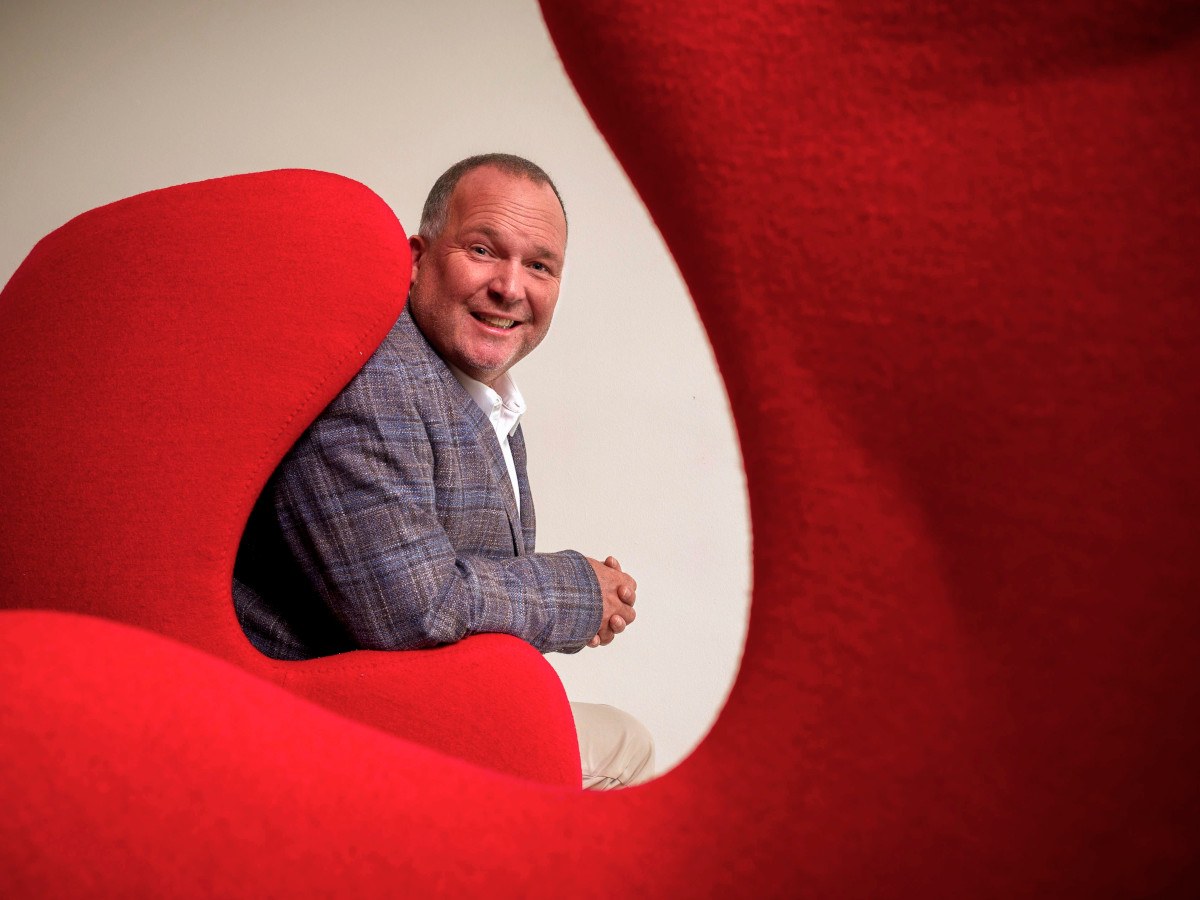
Commenting on the results of the survey, Paul Connell, the CEO of Pure Telecom said, “Social media ownership has become a divisive topic and it’s interesting to see how the public personas of some owners are impacting the popularity of the social networks they lead. As concerns grow around data security and how ownership impacts personal privacy, our research indicates that users are losing faith in some platforms.
“Despite this ongoing concern, our research found that 98pc of adults are social media users, showing that people continue to seek online connections.”
Social media has become a contentious issue globally, with fears that it can expose people to greater threats online. For example, it can make home systems vulnerable, spread misinformation and incite hateful behaviours, among other issues.
Earlier this month Australia became the first country in the world to enact a social media ban for children under the age of 16, in an effort to increase security for minors. The ban affects Facebook, Instagram, Threads, X, YouTube, Snapchat, Reddit, Kick, Twitch and TikTok, which are now required to ensure children no longer have access.
Don’t miss out on the knowledge you need to succeed. Sign up for the Daily Brief, Silicon Republic’s digest of need-to-know sci-tech news.