Osteoporosis is a chronic skeletal disorder that, for the most part, goes unnoticed for many years until a fracture occurs due to a slight fall or a simple movement. Globally, life expectancy is increasing, and people’s lifestyles are becoming more and more sedentary; therefore, osteoporosis is no longer regarded as a natural ageing process but rather as a serious public health problem. The condition’s fragile fractures may significantly affect a person’s daily routine, thus resulting in long periods of immobilisation, loss of independence, and eventual health complications. However, the disease has a negative impact on society, especially the elderly, as it causes the healthcare systems to become overburdened. Although bone density is mostly affected by heredity, hormones, and ageing, nutrition is still the most significant and potent way of maintaining skeletal health. Bones, being living tissues, are always structurally influenced by the nutrients that are consumed; hence, the food we eat daily can still be the deciding factor in keeping the bones strong, resilient, and at a good level of mobility even at an advanced age. A meta-analysis examining observational studies on dietary patterns and osteoporosis risk, published in the Journal of Orthopaedic Surgery and Research, found that diets rich in fruits, vegetables, whole grains, dairy products, and lean protein sources were consistently associated with higher bone mineral density and a lower likelihood of osteoporosis.
What osteoporosis is and how diet affects bone health
Osteoporosis is characterised by reduced bone mass and deterioration of bone microarchitecture, which makes bones more fragile and increases the risk of fractures, particularly in the hip, spine, and wrist. Bone tissue is metabolically active, undergoing continuous remodelling through the coordinated activity of cells that break down old bone and cells that build new bone. The proper functioning of these processes in a healthy body is largely determined by nutrition. Sufficient consumption of minerals, vitamins, and protein not only allows the body to make new bone but also keeps bone density at a stable level during the life span. Conversely, unfavourable eating habits may result in the loss of bones. Besides that, food intake impacts the body’s hormonal routes that control calcium absorption from the intestines and bone metabolism, as well as inflammatory mechanisms that speed up bone decay. Consistently inadequate nutrition, combined with other risk factors such as low physical activity, can significantly increase vulnerability to fractures, particularly during life stages when bone loss naturally accelerates, such as menopause and older adulthood.
What to eat for stronger bones
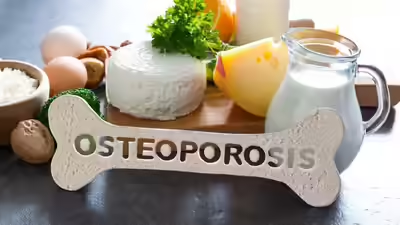
A diet that promotes bone health should include nutrients that are the main components of the structure, the upkeep, and the mineralisation of bone tissue. These nutrients are a combination of those that make overall dietary patterns more important than the presence of any single food or supplement.Sources to eat: milk, yoghurt, cheese, fortified plant-based drinks, tofu set with calcium, leafy green vegetables such as kale and pak choi, almonds, sesame seedsSources to eat: oily fish, including salmon, sardines, and mackerel, egg yolks, fortified dairy products, fortified cereals, fortified plant-based alternatives, and sensible exposure to sunlightSources to eat: eggs, milk, yoghurt, fish, lean poultry, beans, lentils, chickpeas, soy products, and pulsesSources to eat: spinach, broccoli, cabbage, Brussels sprouts, kale, green beansSources to eat: whole grains, bananas, avocados, nuts, seeds, legumes, root vegetables, leafy vegetables
What to avoid to reduce bone loss
Certain foods and food components can harm bone health, particularly if they are a regular part of the diet or are consumed in large quantities. Such foods and components may enhance calcium excretion, change bone metabolism, and even prevent the absorption of necessary nutrients.Sources to avoid: processed meats, packaged savoury snacks, instant noodles, ready meals, takeaway foods, salty sauces and condimentsSources to avoid: confectionery, cakes, pastries, biscuits, sweetened breakfast cereals, desserts
- Sugar-sweetened and fizzy drinks
Sources to avoid: cola drinks, flavoured carbonated beverages, sweetened soft drinks, energy drinksSources to avoid: excessive coffee consumption, energy drinks, strong caffeinated beverages, caffeinated soft drinksSources to avoid: frequent or heavy consumption of alcoholic beverages such as spirits, wine, beer, and alcopops
Implementing a bone-friendly diet in daily life and other factors to consider
Supporting bone health in a strong and stable manner has to do with live habits that are kept consistently over time rather than dietary changes that are made for a short period of time. Balanced nutrition combined with lifestyle measures can have a great impact on skeletal strength over time, which in turn will lower the risk of fractures and bone loss that come with age.
- Distributing calcium-rich foods properly throughout the meals will enhance absorption and will keep minerals at a steady level throughout the day.
- Along with plant-based calcium sources, provide protein and vitamin D to the body to improve bioavailability and to guarantee that the bone tissue gets the optimum utilisation of the nutrients.
- Make a habit of consuming minimally processed foods in order to naturally get rid of the excess salt, sugar, and additives while raising the intake of nutrient-dense foods.
- By regularly doing weight-bearing and resistance-based exercises like walking, stair climbing, dancing, yoga, or strength training, you not only stimulate bone formation but also keep the muscles that support the bones strong.
- Stay away from smoking as it not only speeds up bone loss but also cuts the blood supply to bone tissue and interferes with the regulation of hormones that are essential for bone health.
- Be very careful with nutrients when you are going through life stages that are very risky, such as adolescence, pregnancy, menopause, and older adulthood. During these stages, bones are more delicate and nutritional needs are higher.
- Thinking about talking to a healthcare professional or a dietitian in order to figure out personal risk factors and come up with a plan that will not only support bone density but also meet other healthy requirements.
Disclaimer: This article is for general informational purposes only and is not a substitute for professional medical advice, diagnosis, or treatment. Always seek the guidance of a qualified healthcare provider regarding any medical condition or lifestyle change.Also Read | Serious health risks of ignoring ankle swelling: Common underlying causes and treatment