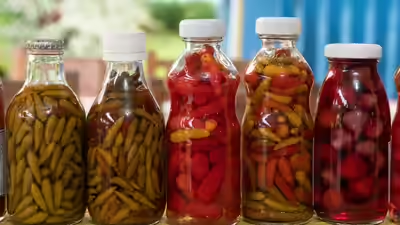
Pickled vegetables have been one of the most important parts of diets from many parts of the world, especially in East Asia. People love them not only for their sour flavour but also because they can be stored for a long period of time. However, over the last few decades, questions regarding the potential association between consumption of pickled vegetables and oesophageal cancer, actually, oesophageal squamous cell carcinoma, have been repeatedly raised. Scientists have investigated the hypothesis that specific compounds formed during the pickling and fermentation process may contribute to the carcinogenesis of the oesophagus. The understanding of this is important in making dietary choices while considering the eating of cultural foods.
Understanding pickled vegetables and its link to oesophageal cancer
Pickling is a highly traditional way of preserving vegetables using salt, vinegar, and even fermentation. In this way, vegetables remain usable for long periods and acquire a very distinctive sour flavour. Examples of pickle vegetables include cabbage, radish, green mustard, and cucumber. According to PubMed Central, during fermentation, sugars and other compounds in the vegetables are broken down by participating microorganisms, including bacteria and fungi. This produces the development of substances contributing to flavour, texture, and nutritional value in pickled foods. While pickled vegetables offer vitamins, fibre, and antioxidants, their chemical composition can also contain compounds that may pose health risks.Oesophageal cancer is a disease where abnormal cells grow from the lining of the oesophagus, often causing difficulties in swallowing food, chest pains, and other grave complications. Epidemiological investigations have indicated that a person with regular consumption of pickled vegetables may increase his/her risk for OSCC. This concern is particularly significant in regions in which pickled vegetables are a dietary mainstay. The researchers indicated that certain fermentation byproducts, like N-nitroso compounds and mycotoxins, might be mutagenic-that is to say, they might cause DNA damage and thus lead to the development of cancer. Not all studies have demonstrated the same degree of risk, but a general pattern seems to indicate that high consumption of pickled vegetables might be associated with an increased risk.
Factors influencing the risk of pickled vegetables
The risk related to pickled vegetables depends on many factors: the type of vegetable, the method of pickling, and the time of fermentation. Moreover, general dietary habits, consumption of alcohol, tobacco smoking, and genetic predisposition also contribute to this process of risk determination for an individual. In particular, the risk is higher in populations where large quantities of pickled vegetables are consumed every day.Pickled vegetables play important roles in various cultures and are, therefore, a vital part of traditional diets. Considering the nutritional importance of pickled vegetables, it is also important to balance the potential cancer risk with cultural needs and human nutrition. Reduction, not avoidance, of consumption, meeting the fermented and pickled vegetables with fresh vegetables and fruits, and using less fermented or lightly pickled varieties can minimise possible risks while enjoying these foods in a well-balanced diet.
Mindful consumption of pickled vegetables and lifestyle tips
- Be aware of the quantity of pickled vegetables consumed daily.
- Include a variety of raw and boiled vegetables in your diet.
- Avoid heavily fermented pickled foods whenever possible.
- Reduce the frequency of daily consumption of pickled vegetables.
- Maintain a balanced, healthy diet overall.
- Avoid tobacco products to lower cancer risk.
- Limit alcohol intake to further reduce the threat of oesophageal cancer.
These tips help enjoy pickled vegetables safely while supporting overall health.