Imagine if a simple blood test could offer a glimpse into your future health. Not just whether you have heart disease or cancer today, but whether your overall risk of dying in the next five or ten years is higher or lower than expected.
It is the kind of idea that has hovered on the edges of medicine for decades, appearing in headlines every time a new biomarker is discovered. In practice, though, predicting long-term health has remained frustratingly imprecise. Doctors still rely heavily on age, weight, smoking history and a handful of routine blood tests, most of which provide only broad, population-level estimates.
At the same time, modern medicine is moving rapidly towards earlier detection and prevention. Health systems around the world are grappling with rising rates of and ageing populations. Clinicians increasingly need tools that can identify risk before symptoms appear, allowing earlier intervention. The question is whether the clues to future health might already be circulating in our blood.
That is what our explores. By measuring thousands of blood proteins in tens of thousands of people and tracking who survived or died over time, we found that certain protein patterns appear to be linked to a greater risk of dying from any cause other than accidents.
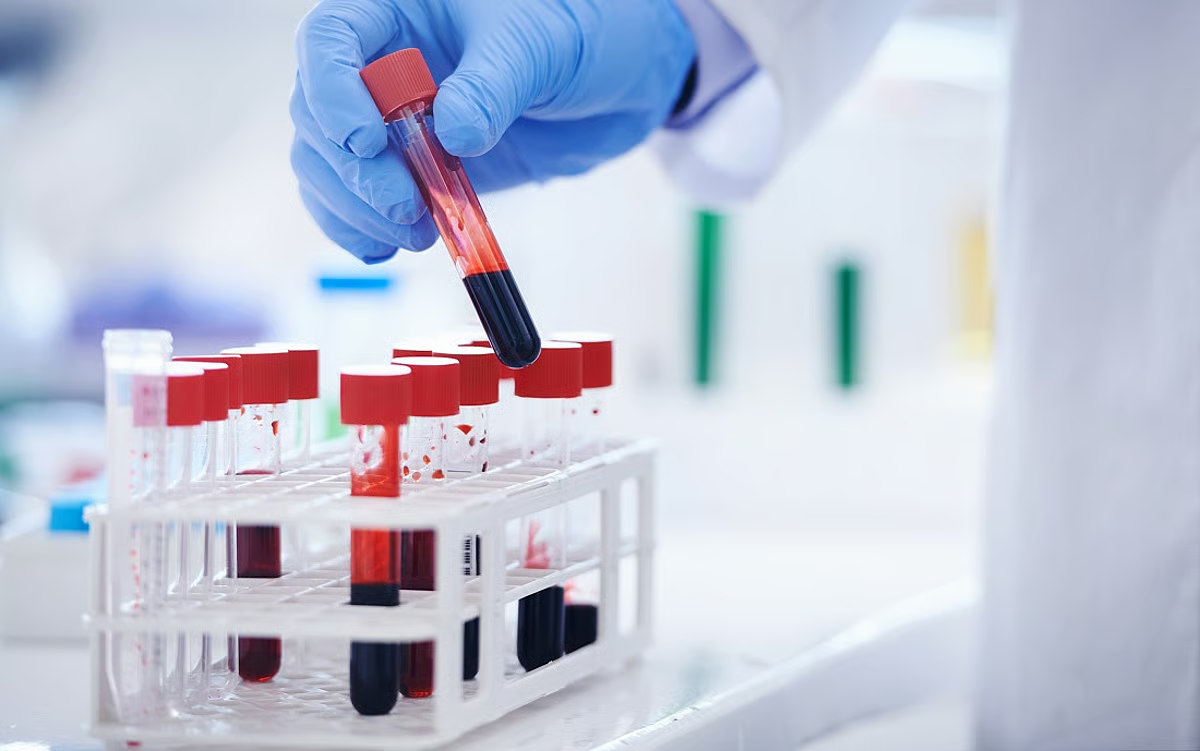
The analysis used data from more than 38,000 adults aged 39 to 70 who took part in the study. This is a long-running national health resource that collects biological samples and health information from half a million UK volunteers. Participants provided blood samples and ongoing comprehensive health and lifestyle data. We examined nearly 3,000 proteins in each blood sample and looked for proteins whose levels correlated with death within five or ten years.
After accounting for risk factors already known to , such as age, body mass index (BMI) and smoking, we identified hundreds of proteins linked to the overall chance of dying from any cause, and to the chance of dying from specific diseases, including cancer and cardiovascular disease.