
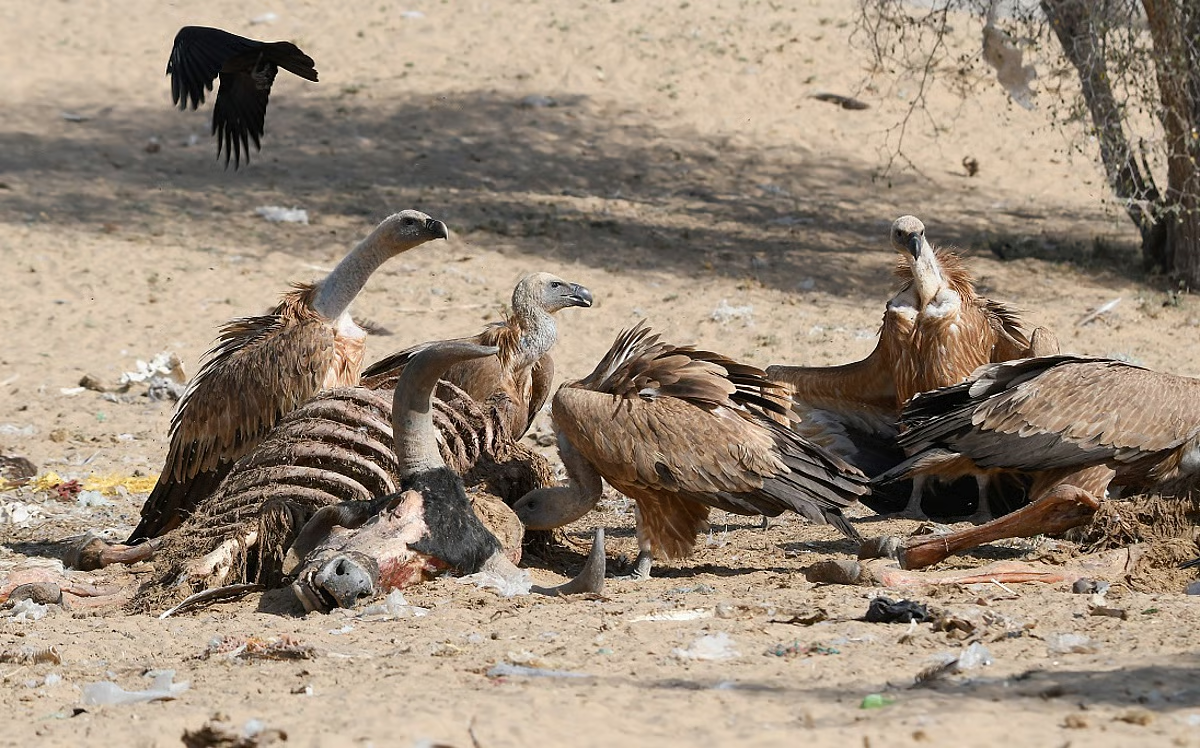
Gaushalas (Cattle Shelters) in Rajasthan have taken some welcome steps to help save vultures. Most of them have stopped using veterinary drugs that are toxic to vultures. They have also stopped burying dead cattle, according to a statement by the Bombay Natural History Society (BNHS).
Vultures play an important role in cleaning the environment and preventing diseases. The population of these scavengers has gone extremely down. One of the important causes of decline in their population is the veterinary use of Nonsteroidal Anti-Inflammatory Drugs (NSAIDs). These drugs are usually given to the cattle. When such cattle die and the vultures feed on the carcass, it affects their liver and kidneys, leading to kidney failure (visceral gout).
“BNHS came across that many gaushalas in Rajasthan that have stopped using vulture toxic veterinary drugs like diclofenac, aceclofenac, ketoprofen and Nimesulide and adopted the vulture safe veterinary drugs like Meloxicam and Tolfenamic acid. They have also stopped burying dead cattle to feed the birds and today the vulture population in Rajasthan has ample food available around the Gaushalas,” the statement, released on December 30, quoted BNHS director Kishor Rithe as saying.
Apna Ghar, a non-profit, runs a gaushala at Lohagharh near Bharatpur housing more than 5,000 cattle. PK Saini, a volunteer at this gaushala, said, “We’ve been using traditional ways of treating cows since the beginning. We avoid toxic drugs that could harm vultures.”
The statement noted that a large number of cow shelters in Rajasthan have been adopting these nature friendly methods of dead cattle disposal. This is helping the efforts of conservationists to revive the vulture population.
“Traditional gaushala practices strengthen vulture conservation in Rajasthan. Gaushalas in Rajasthan are emerging as unlikely champions of vulture conservation through the continued practice of traditional cattle care. Due to the large cattle population in the Thar Desert today, many gaushalas are reviving older, less drug-dependent methods of cattle management and ensuring that carcasses are disposed off in designated dumping grounds,” said Sujit Narwade, deputy director at BNHS.
Narwade gave several examples from Rajasthan. “BNHS is monitoring vultures at Bikaner since the last 4-5 years. The carcass disposal has helped stabilise vulture populations at Bikaner’s Jorbeer Conservation Reserve which is Asia’s largest carcass dump. It has been proven to be a secured haven for resident and migratory vultures. I have seen other gaushalas in Karauli and Dhaulpur in Rajasthan which provide safe food to several vultures,” he stated further.
According to Rithe, “Because gaushalas manage thousands of cattle, their role can be really vital in vulture conservation. By following traditional practices like carcass disposal in the open as well as not using vulture toxic veterinary drugs to cattle, they are providing safe food to vultures, nature’s most efficient scavengers, as well as safeguarding public health by reducing disease transmission.”