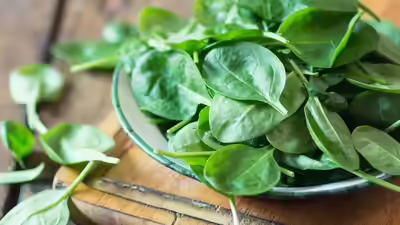
One of the most nutritious leafy green vegetables is undoubtedly spinach, which is packed with essential minerals such as iron, magnesium, calcium, and zinc. Moreover, it has vitamins that strengthen the immune system, bones, and overall health. As spinach is very low in calories and high in nutrients, it is a popular choice in balanced diets and weight management programmes.What is more, spinach is richly supplied with antioxidants like beta-carotene, lutein, and zeaxanthin. These are the substances that defend the body against oxidative stress and inflammation. Especially lutein and zeaxanthin are very beneficial for the eyes, and hence, they are credited with reducing the risk of getting age-related macular degeneration and cataracts.Nevertheless, just eating spinach is not sufficient. The way it is prepared plays a crucial role in how effectively the body absorbs its nutrients. According to the Heart Research Institute, spinach has more benefits when cooked and consumed rather than when eaten raw. Let’s further understand its nutrients in raw and cooked form.
Raw vs cooked spinach : Which gives you more iron
Spinach’s nutritional value is largely influenced by oxalic acid, one of the key factors. Oxalic acid is a typical ingredient in many plants and one of the factors limiting the nutritional value of spinach. It bonds to iron and calcium to form compounds that are hard for the body to break down. So, a big part of these metals goes to waste when eating fresh spinach. So, just because spinach has iron, it doesn’t mean that the mineral can be effectively taken from it in its raw form.Yes, mineral absorption is better in cooked spinach, but there is still vitamin C in raw spinach, which is an essential nutrient to the body. Vitamin C is known to boost the immune system and facilitate the absorption of non-heme iron. However, vitamin C is a nutrient that is sensitive to heat and the amount of it may be reduced during cooking. So by eating spinach both raw and cooked, you get the benefit of the nutrients of the spinach.Spinach is packed with calcium, a very essential mineral for the development of the bone system. However, oxalic acid is the one that hinders the absorption of calcium in raw spinach. The process of cooking reduces the level of oxalate and, therefore, the availability of calcium increases. It is very important for people who are on vegetarian or vegan diets and take their calcium only from plant sources.
Nutrient absorption is better when spinach is cooked
Spinach when cooked releases the minerals it binds because part of the oxalic acid is broken down. When the green is heated, calcium, iron, and magnesium become more accessible to the digestive system, which then absorbs them more efficiently. This is essential, especially for people who get their minerals from plants only. So, cooked spinach can supply more nutrition than raw spinach, although both have almost the same nutrient content.By cooking, the amount of oxalates is lowered, and thus, calcium becomes more available. This is specifically beneficial to vegetarians or vegans, who are the only ones that can provide their bodies with calcium from plant-based sources.
Steaming spinach and folate preservation
Among different types of food preparation, steaming ranks as one of the least harmful ways to cook spinach. Steaming, unlike boiling, keeps most of the nutrients in the leaves while still making them soft. A study indicates that steaming is the best method to keep folate, or vitamin B9, intact. Folate is one of the essential components of DNA, cell growth and red blood cell production. It has also been found that sufficient intake of folate lowers the chances of cancer, thus making steamed spinach a very useful part of a balanced diet.Spinach is very nutrient-dense, but you have to be careful with how you prepare it. Cooking spinach, primarily by steaming, is mineral absorption friendly, folate releasing and antioxidant production enhancing. Even though raw spinach is good, adding cooked spinach to your diet will help you get the most of its nutrition. (Disclaimer: This article is for general information only and does not replace medical advice. Always consult a qualified healthcare professional before making dietary or treatment changes.)