
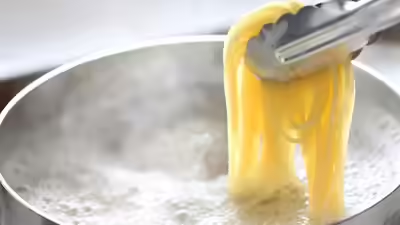
Pasta is one of the favourite comfort foods enjoyed worldwide. It is a versatile cuisine that’s easy to cook and can be combined with any type of sauce. But when it comes to rinsing cooked pasta, many people are left confused about what to do. Should this process be used for cooling cooked pasta? For removing excess starch? Or is it detrimental to one’s dish? The truth is that one needs to look at different methods depending on the dish they intend to cook. The process of rinsing pasta can be counterintuitive since you are removing the very components necessary for the sauce to stick, but sometimes rinsing is necessary nonetheless. To cook pasta to perfection and make sauce cling to it correctly, you need to know when and why this process should be used and when and why it shouldn’t be.
What happens to pasta when you rinse it
During pasta cooking, starch is transferred from the pasta to the water it is being boiled in. It is because of the natural starch that the pasta has, and this gives the pasta an attractive sticky exterior, which is ideal for pasta sauce to stick to it. However, if pasta is rinsed with water, it becomes cold, and the sticky exterior, which it had due to the natural starch, is removed.
When you should NOT rinse your pasta
This is the most fundamental rule regarding saucy pasta dishes. If you’re making pasta with sauce, be it tomato, Alfredo, pesto, or something in between, don’t rinse your pasta. The starch left on the surface of un‑rinsed pasta provides a sticky surface for the sauce to better adhere to, coating each and every bite instead of letting it slide off. Rinsing in this case can make your sauce feel watery or slip right off the noodles, leaving your dish less flavorful and less satisfying.
When rinsing pasta is helpful
There are some cases where it is recommended to rinse the pasta.
- Pasta salad and cold dishes
If you are attempting to cook pasta for a cold dish such as pasta salad, you can stop the cooking process by rinsing it in cold water. This prevents the noodles from sticking together. Additionally, it prevents the pasta in the cold salads from having a gummy consistency.
- Preventing sticking after cooking
If you’re not serving it immediately, like for buffets or later meals, you can rinse it to keep it from sticking when it’s cooled, but before you add your sauce or oil.
- Certain asian‑style noodles or dishes
Some types of noodle recipes (and particularly those that are cold noodle recipes) involve rinsing pasta to give it a cleaner and lighter texture that is desired.
Should you add oil to pasta water
Adding oil to the boiling water is not recommended if you want the sauce to stick. This is because the oil will make it hard for the sauce to stick to the pasta. You can add oil towards the end if you want a cold pasta salad.