- A recent study documents medicinal plants used by Indigenous communities in West Sikkim, linking traditional healing to the conservation of sacred groves and monastery forests.
- The sacred groves in this region are reservoirs of medicinal plants, sustained through cultural and spiritual traditions.
- Researchers recorded plant-based remedies with local healers, though experts caution that such practices are mostly social in nature and not easily reduced to scientific metrics.
The sacred groves of India’s Himalayan region are home to a vast repository of medicinal plants. These culturally safeguarded spaces function as informal conservation areas, preserving medicinally important species while reinforcing community-led stewardship of biodiversity. Yet, despite their importance, both the ecological base and the knowledge systems associated with these groves remain largely undocumented and are increasingly vulnerable to erosion.
A recent study by botanists at Sikkim’s SRM University documents 70 medicinal plant species used by Lepcha, Bhutia, Nepali, Limbu and Tibetan communities to treat 35 ailments. Conducted between July 2022 and June 2024, the study recorded the ethnomedicinal practices of Indigenous communities and traditional healers across West Sikkim.
Biswajit Bose, the corresponding author of the study and Associate Professor of Botany at the university, says the documentation shows how culturally protected forest patches such as sacred groves, Gumpa forests and monastery Gumpa forests function as community-led conservation units for medicinal plant diversity in West Sikkim district. The village commons that preserve these groves demonstrate how traditional knowledge systems operate as conservation reserves. He adds that the study also offers “a baseline dataset for future pharmacological research”.

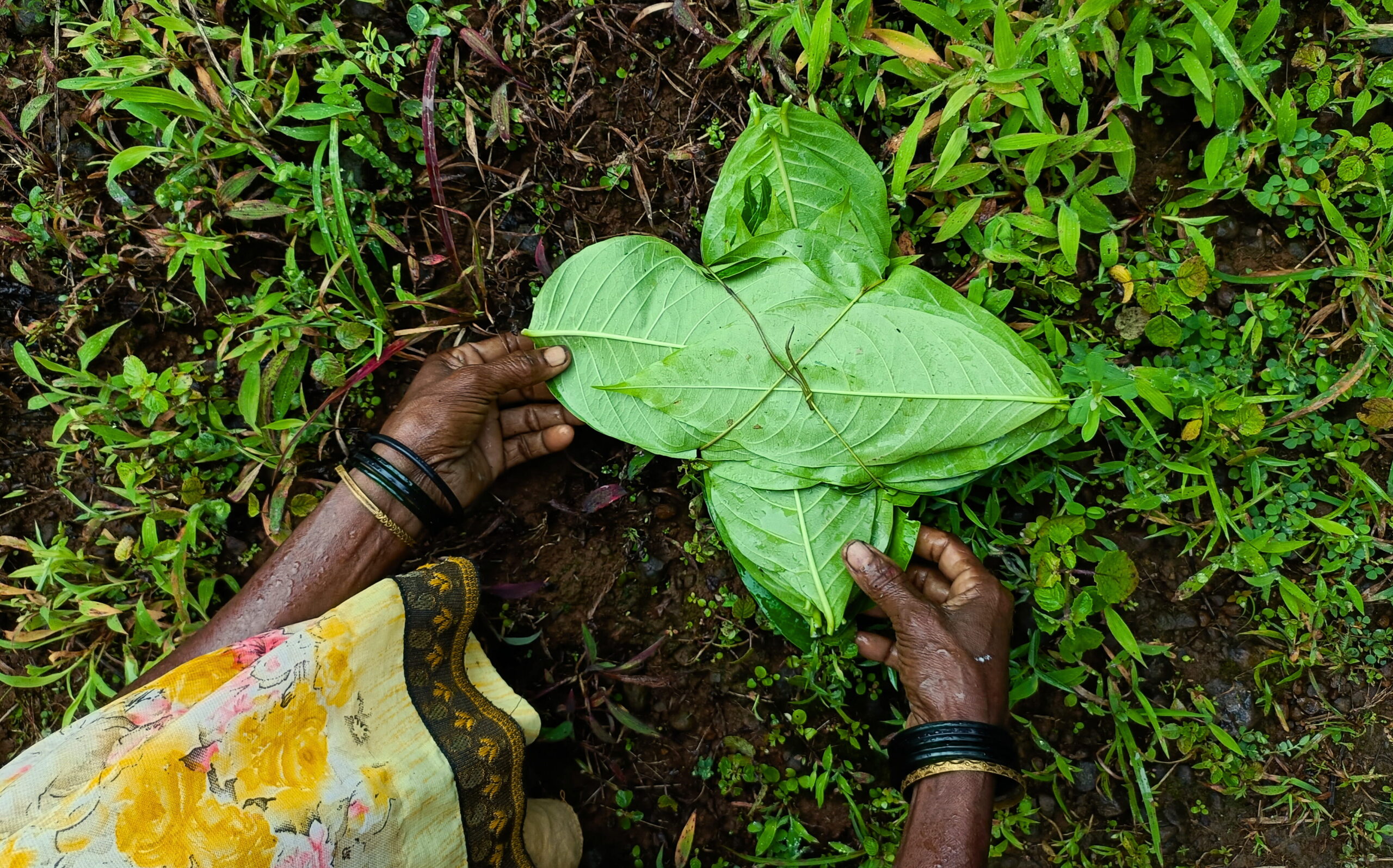
The researchers documented Indigenous healing practices used to treat ailments ranging from fever, sore throat and common cold to malaria, kidney infections, altitude sickness, diarrhoea, jaundice, joint pain and diabetes, among others. Field documentation recorded local plant names, parts used, methods of preparation, medicinal applications and related ethnographic details. In total, information was gathered from 218 healers, including 190 men and 28 women. The fungus Cordyceps sinensis was found to enjoy prominence in traditional healing while there was deep local knowledge and frequent use of species Tetrataenium nepalense and Artemisia vulgaris.
The study reveals that knowledge of medicinally important species is not restricted to traditional healers but is widely distributed within different ethnic groups, extending to elders, farmers and households beyond generational healing lineages.
Ethnobotanical information was cross-verified by presenting fresh plant specimens in different villages, discussing knowledge passed on by village elders and showing plant photographs to other healers. Repeated consultations with villagers were conducted to ensure accuracy, and plant names were validated using the World Flora Online database.
Collected specimens were pressed, treated and mounted on herbarium sheets to serve as permanent references. Species were identified by Aditya Pradhan, Assistant Professor (Plant Taxonomist), Department of Botany, SRM University, and analysed using scientific frameworks of ethnobotanical indices and the International Classification of Primary Care.


Traditional healing methods
In West Sikkim, home to the UNESCO-listed Khangchendzonga National Park, traditional healers are locally known as Vaidyas, Jhankris, Bijuwas, Fedangas, Dhami, Bongthings, Mon-Bongthings and Lamas, depending on their ethnic groups.
Bose and co-author of the study Reena Chhetri recall meeting an elderly healer in Yuksom village in his ancestors’ “living pharmacy”. “He plucked Tetrataenium nepalense seeds and explained how they are used to treat altitude sickness, a remedy he learned at the age of 12,” Bose says.
The study recorded 76 traditional healers in the 50-59 age group, compared to just six in the 20-29 age group, suggesting a decline in the number of younger people entering traditional healing.
Political ecologist and geographer Amitangshu Acharya, Senior Lecturer in Water and Society at the IHE Delft Institute for Water Education in the Netherlands, who has researched Nepali sacred groves in Sikkim, says sacred groves are not just conservation sites for carbon sequestration but are plural in their existence.
“Sacred groves occupy different kinds of modalities and meanings in local communities,” he says, adding, “Healing is as much social as it is medicinal.”
According to him, conventional ethnobotany research tends to place traditional healing practices under standards that emerge from universalist, Eurocentric measures. The erasure of socio-cultural aspects and ecological characteristics of sacred groves that shape healing is problematic, he says, adding: “People are invisible in such a study, which lists out plants, herbs, roots and their uses in treating various diseases.” More often than not, members of Indigenous healer communities are not aware of peer-reviewed journals and may not anticipate the consequences such documentation may pose to knowledge that is often passed on orally from generation to generation.
“The dangers of listing herbs as medicines to cure a certain disease or illness by a certain community is immense,” he says, adding that it could provide an easy pathway for pharmaceutical companies to retrieve Indigenous knowledge and commodify sacred groves.

He says that the central concern around ethnobotanical research should not be the assimilation of traditional knowledge systems into universalist frameworks. Instead, there is a need to engage local communities directly and ask how scientific institutions can support the protection and preservation of their oral traditions for the benefit of healers and sacred groves.
In response, Bose says the purpose of listing was to preserve local knowledge systems, as many youth are drifting away from practising traditional medicine. “Recently, we learned that an elderly healer had passed away, but we still carry their recorded voices and photographs, and preserving their knowledge has become one of the most meaningful aspects of our research,” he says, adding that the recordings and notes remain a part of their documentation — quiet reminders of how quickly Indigenous knowledge can disappear if it is not recorded and respected. “Their voices and stories live on only through this documentation,” he adds.
Acharya explains that each community has its own distinct healing practices, often involving chanting and prayers. “Traditional healers rarely view the person seeking care as a patient, but rather as someone whose balance or order has been disturbed,” he says. “Healing is not just about administering medicine; there are rituals of healing and practices of care that are social, psychological and emotional.”
In many tribal cultures of northeast India, traditional healing is seen as a gift from God. Healers Mongabay India spoke to reflect a pattern: not every healer treats every illness; instead, each usually specialises in certain conditions, and the use of herbs varies widely based on availability and outcome. Some healers are known for treating jaundice, skin diseases and eye inflammations, while others specialise in bone and joint-related problems, fractures, asthma, and diseases affecting the heart, kidney and liver.
Bose says the Sikkim government provides financial assistance and recognition to healers under the Samajik Sewa Bhatta scheme, under which registered healers receive a monthly pension. Speaking about locals in northeast India, including Sikkimese villages increasingly relying on Indigenous healing even in the presence of modern medicine, Acharya suggests that central bodies like the Ministry of Ayush should take a nuanced approach to place-based faith healing traditions.
As interest in traditional medicine grows within conservation and ethnobotany circles, questions around ownership of traditional knowledge systems, consent and returns to communities need better clarity. Acharya recommends collaborating with state governments in regions with significant Indigenous tribal populations to provide recognition, financial support and dignity to faith healers in ecologically rich areas.
Read more: Indigenous knowledge to track and save the Chinese pangolin
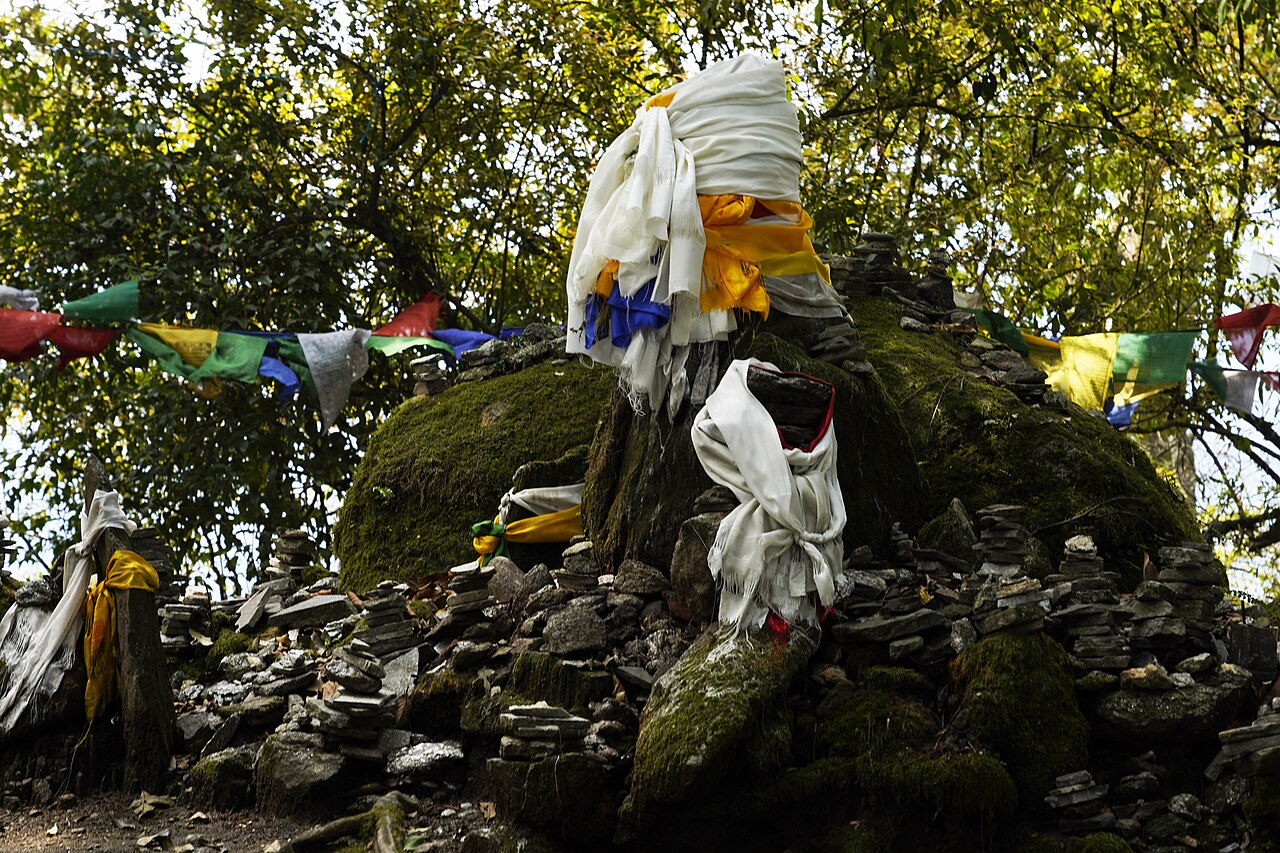
Banner image: A sacred grove in Sikkim. Image by Amitabha Gupta via Wikimedia Commons (CC BY 4.0).