She travels. And in short order, the questions that come are mostly layered, and mildly exhausting. Alone? Isn’t it unsafe? Who’s minding the store back home? Why don’t you just wait for someone to join you? It’s in the space between concern and curiosity that I think the assumption settles in even before the words are uttered: a woman travelling alone must be either very brave or very frivolous. Rarely just… normal.But she travels anyway.

She’s a small revolution at bus stops and airports. A woman with a backpack, or a wheeled suitcase, or sometimes just a tote bag overstuffed. She discovers early on that travel for her is not merely a matter of places but also of expectations. The auto driver who inquires where her husband is. The hotel receptionist insisting on verifying that, yes, this is just for one. The distant relative who is like, “You’re rarely home nowadays.” As though travelling is a flaw in your character.She moves, and with her move the stereotypes, folded compactly, as if invisible luggage. There’s the myth that women travel purely for leisure, not inquisitiveness. That beaches, spas and Instagrammable cafés are what they want; not forests, or anything that pushes that boundary a bit. And then there’s the assumption that single female travelers are lonely souls on a journey to ‘find their inner self.’ As if wishing away silence, activity and unknown streets were automatically proof of an emotional crisis.
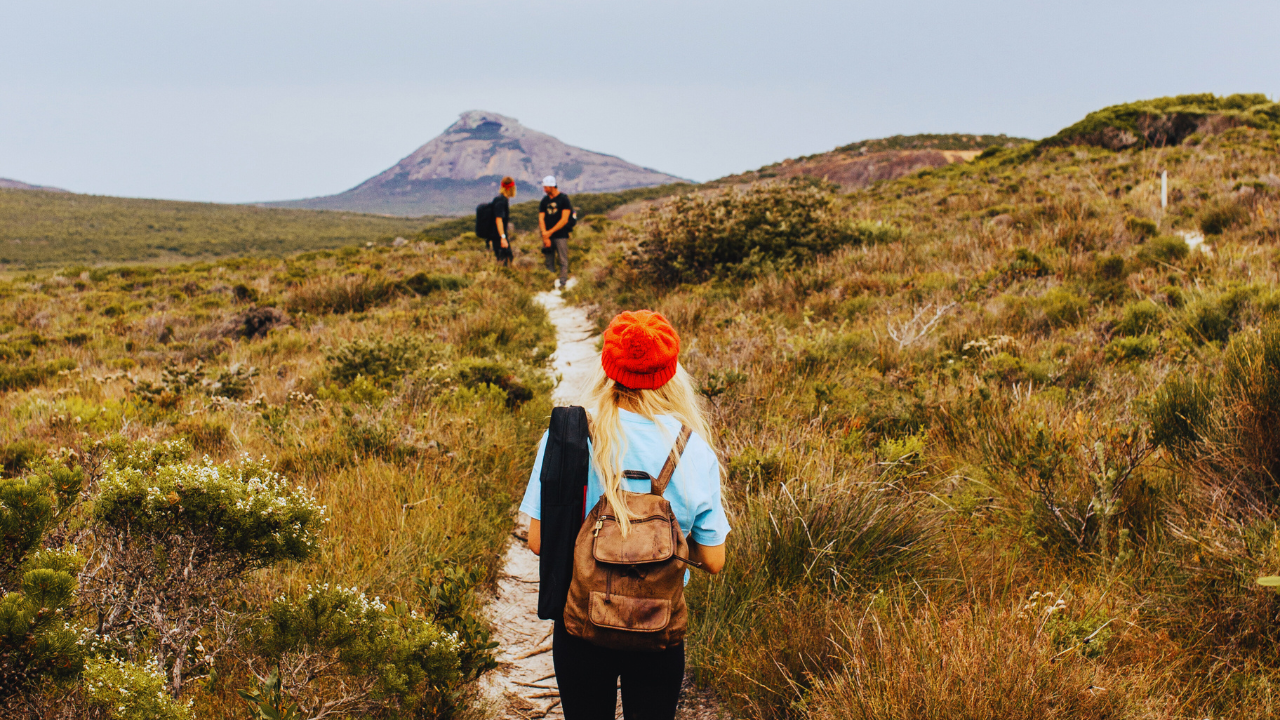
Sometimes she does want to discover herself. Other times, she simply wants good food and a view.However, she finds a different rhythm on the road. In new cities, she walks more slowly, not because she’s afraid, but because that’s how a city is explored mostly. She learns how to sit nonchalantly, though she’s anything but sure. She perfects the travel face, neutral, awake and unwelcoming to nonsense. She knows what questions to answer and which smiles to ignore. This isn’t weakness; it’s skill. A silent, acquired intelligence that is gained by experience and what no guidebook mentions.She also finds something she’s not expecting: kindness. The auntie on a train who won’t allow her to eat less. The café owner who walks her down to the bus stop. The women in a village who beckon her to sit, talk and laugh despite their inability to understand each other’s language. These are not headline moments, but they stick with her longer than any monument.
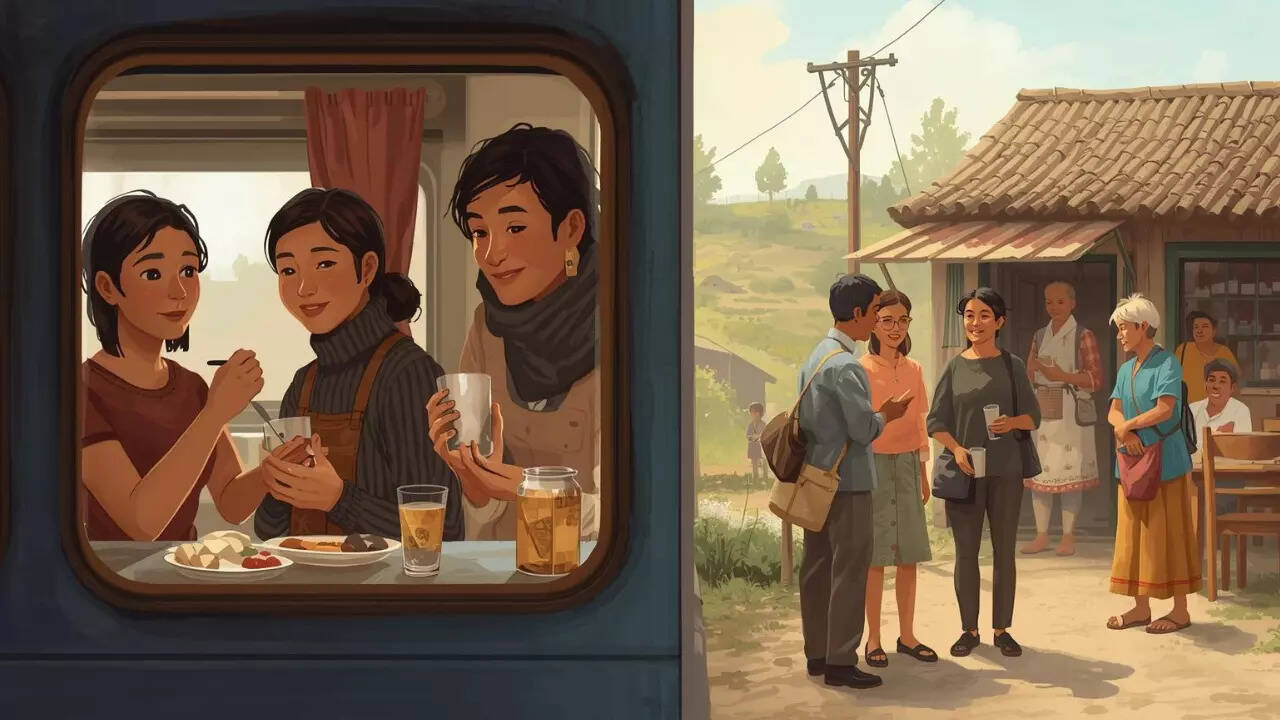
Defying stereotypes is not always the stuff of movies. Sometimes it’s just choosing the window seat on an overnight train. It’s occasionally booking a trip without formal approvals. Other times, it’s reminding herself that she doesn’t have to explain why she wants to go, only that she does.She discovers that safety is vital but fear does not merit the driver’s seat. That’s not paranoia; that’s readiness. That trusting your own instincts is just as important as trusting the map. She discovers that the world isn’t completely hostile, but nor is it completely kind, it’s complicated, like people everywhere.She asks different questions as she travels: “Which was your favorite? How did you manage alone?” The tone softens. Curiosity replaces concern. Sometimes another woman listens closely, her eyes lighting up, and she files the possibility away for later. That’s how stereotypes crack, not with lectures but with lived examples.
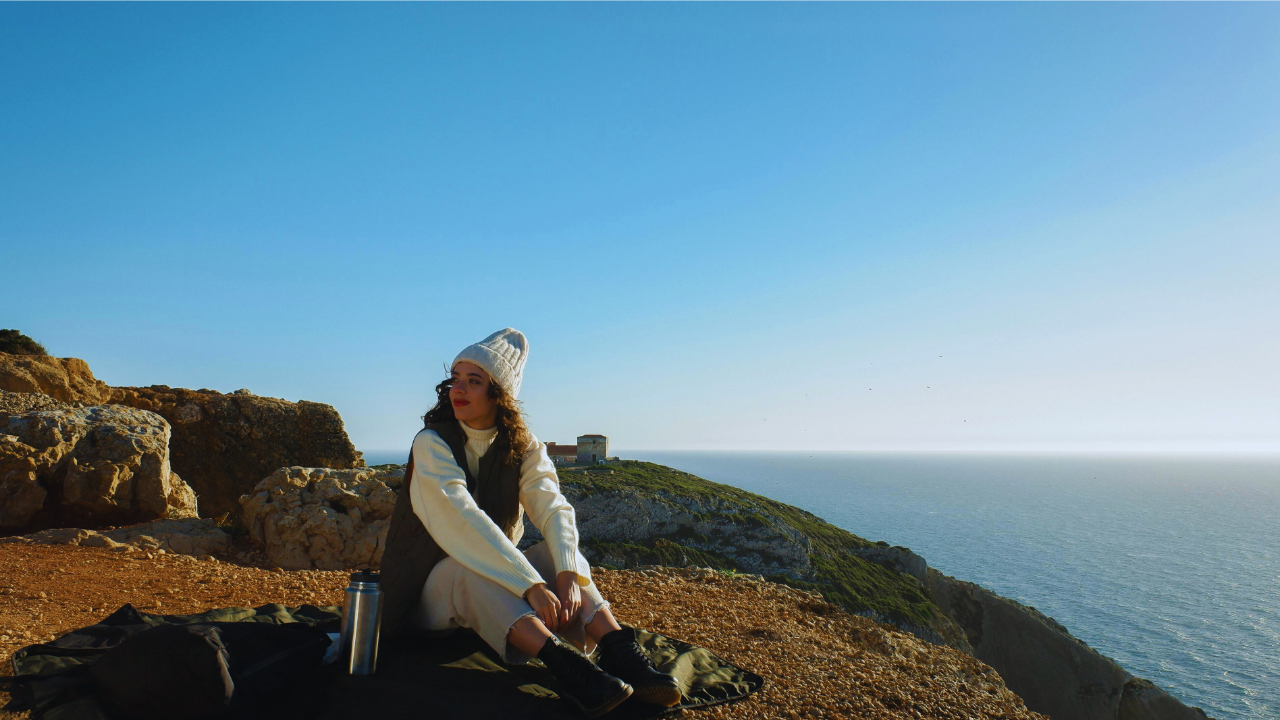
She is on the road, and gradually, the story changes. It ceases to be strange for a woman to be on the road. She becomes familiar. Expected. Nearly dull, which is the best kind of progress.One trip at a time, she redraws frontiers, on maps and in people’s minds. Not because she wanted to prove anything, but because movement can do that; it happens naturally. It challenges fixed ideas. It creates space.She didn’t go to make a statement, and then when she got there, that’s exactly what she did. Without shouting. Without asking permission. Just by going.