Optical illusion challenges like this one are designed to test focus, speed, and attention to detail. They look simple at first, but they reveal how well the brain processes visual information under pressure.Here’s the challenge.You are shown a pattern filled with several inverted 86s. Somewhere inside this visual maze is a single inverted 36. Your task is to find it in just 9 seconds. No zooming in. No second guesses. Just your eyes and your brain working together.Sounds easy. But many people fail on the first try.
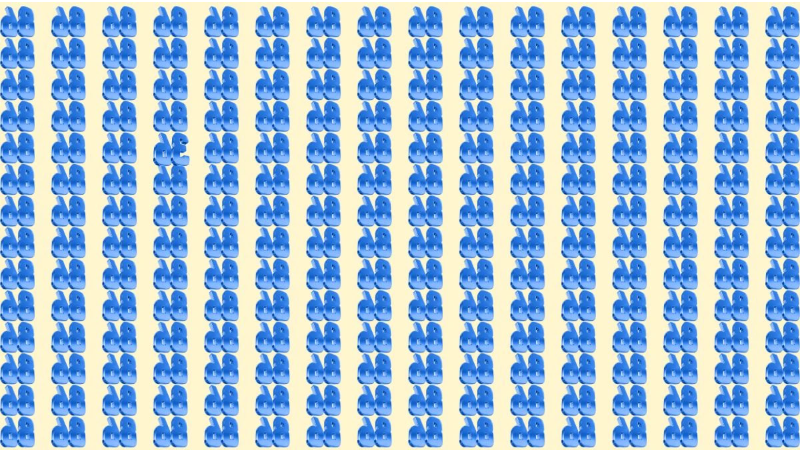
So why does this illusion feel so tricky?The answer lies in how the brain works. The human brain loves patterns. Once it spots a repeating shape or number, it quickly assumes everything else is the same. In this case, the repeated inverted 86s trick the mind into “auto-seeing” the same number again and again. The brain stops checking details and fills in the gaps on its own.That is exactly where the inverted 36 hides.People who solve this puzzle quickly usually share a few common traits. They notice small differences fast. They stay calm under time pressure. And they don’t rely only on pattern recognition. Instead, they scan carefully and stay alert for anything that looks slightly off.Does that mean spotting 36 makes someone a genius?Not exactly, but it does say something interesting about the mind.Visual puzzles like this are linked to skills such as concentration, visual memory, and processing speed. These skills matter in daily life more than people realize. They help with reading, driving, problem-solving, and even decision-making at work. A sharp eye often reflects a brain that can filter noise and focus on what matters.Still searching for the number?Here’s a small tip. Don’t scan line by line. Instead, let the eyes move freely across the image. Look for anything that breaks the rhythm of the pattern. The number 36 looks almost identical to 86 when inverted, but the shape of the “3” gives it away if you look closely.If you spotted it within 9 seconds, that’s impressive. It suggests strong observation skills and quick mental processing. If it took longer, that’s completely normal. These illusions are meant to challenge, not label intelligence.Here’s the answer
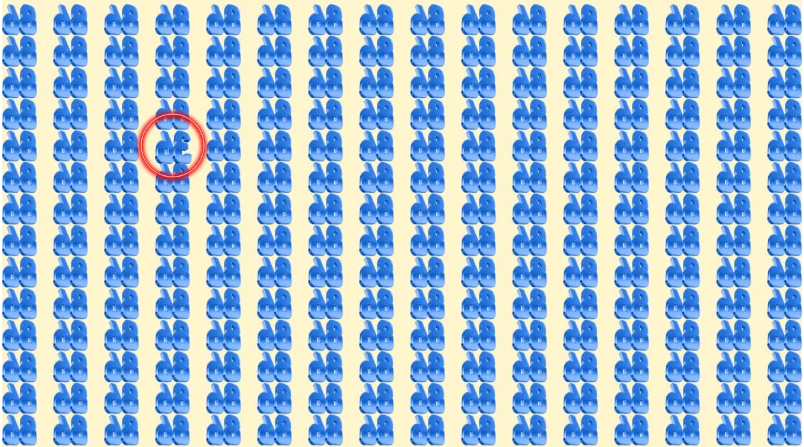
And if you couldn’t find it at all?No worries. The brain improves with practice. Regular exposure to puzzles like these can sharpen focus over time. That is why optical illusions are not just fun distractions. They are short mental workouts.