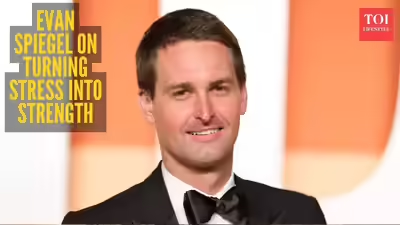
Stress is something most of us deal with every single day, whether it’s work deadlines, money worries, or things going on at home. We usually see stress as the enemy, something we have to fight, avoid, or somehow “manage” before it gets the better of us. But Snapchat CEO Evan Spiegel looks at stress very differently, and honestly, his take is refreshing. Speaking on the Grit podcast, Spiegel shared how he handles pressure at the very top of the tech world. As the co-founder and CEO of Snap Inc, he’s been in charge for over a decade and has lived through some intense moments, including turning down Facebook’s acquisition offer back in 2013. Instead of letting stress overwhelm him, he’s learned to change how he looks at it.

According to Spiegel, everything starts with mindset. Rather than treating stress like a threat, he sees it as something useful. In his words, stress is “a gift”, a chance to learn and grow. That shift in thinking, he believes, makes all the difference. When you stop panicking about stress and start seeing it as part of the process, it loses some of its power. This idea isn’t just motivational talk. Spiegel pointed out that research supports it too. Reframing stress, or changing how you interpret it, can significantly affect how well you cope. He referenced Stanford researcher Kelly McGonigal’s book The Upside of Stress, which explains how stress can actually help you perform better when you stop fearing it. That said, Spiegel is clear that positive thinking alone won’t magically fix everything. Along with changing his outlook, he follows practical routines to release pressure. Exercise, sauna sessions, and meditation are all part of how he keeps himself balanced. These habits help him process stress internally instead of carrying it around all day. One thing Spiegel is particularly mindful of is not passing his stress on to others. He believes it’s his responsibility to absorb it, not dump it on his team or loved ones. Whether it’s his colleagues, his family, or his wife, he consciously tries not to let his pressure spill over into his relationships.

After years of leading a fast-paced company, Spiegel says stress doesn’t feel as scary anymore. When you’re constantly dealing with high-pressure situations, they start to feel normal. Over time, you develop a rhythm, and stressful moments stop feeling like emergencies and start feeling like just another part of the job. His approach is simple but powerful: don’t run from stress, don’t fear it, and don’t take it out on others. Instead, learn from it, build routines that help you cope, and let experience do the rest.