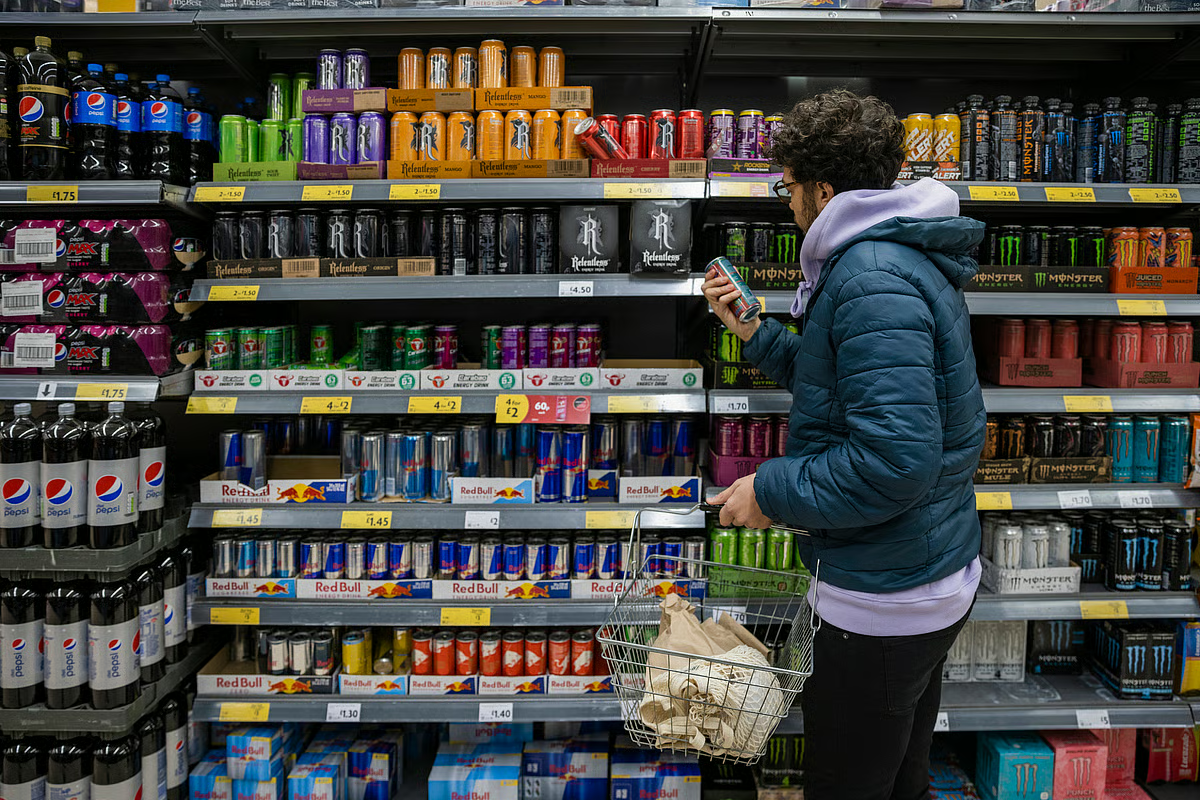
The assessment, based on WHO data compiled for the second time since the report’s first publication in 2023, used standardised indicators of prices and tax levels for an internationally comparable sugary drink, alongside information on national tax policies for non-alcoholic beverages.
One key finding is that most countries do not tax sugar-sweetened ready-to-drink tea or coffee, or sugar-sweetened milk-based drinks, including plant-based milk substitutes, despite their free sugar content.
At the same time, nearly half of the countries that apply excise taxes to non-alcoholic beverages include unsweetened bottled water among taxable products.
“The consumption of healthy substitutes such as water should be incentivised and not taxed,” the report said.
The WHO also examined how revenue from sugary drink taxes is used. Of the 116 countries that apply excise taxes on non-alcoholic beverages and for which information on earmarking is available, only 10 countries dedicate the revenue specifically to health programmes. In most of these cases, funds are directed towards universal health coverage.