

For centuries, rivers have been both a blessing, and in some cases, a curse. Likewise, rivers in North Bihar play a similar role. They bring fertile silt from the Himalayas, sustaining agriculture across one of India’s most densely populated rural regions. At the same time, they have repeatedly unleashed floods that erase villages, displace families and leave behind long-term economic distress. Among these rivers, one stands apart for the sheer scale and regularity of destruction it causes.Over time, this recurring destruction has earned it a sombre name rooted in experience rather than geography.That river is the Kosi River, widely known as the ‘Sorrow of Bihar.’
A river system shaped by extreme geography
The Kosi River basin is among the most complex river systems. Its catchment spans six geological and climatic belts, ranging from elevations above 8,000 m in the Tibetan Plateau to about 95 m in the Gangetic plains. Along this course, the river drains the Tibetan Plateau, the Himalayas, the Himalayan mid-hill belt, the Mahabharat Range, the Siwalik Hills and the Terai.

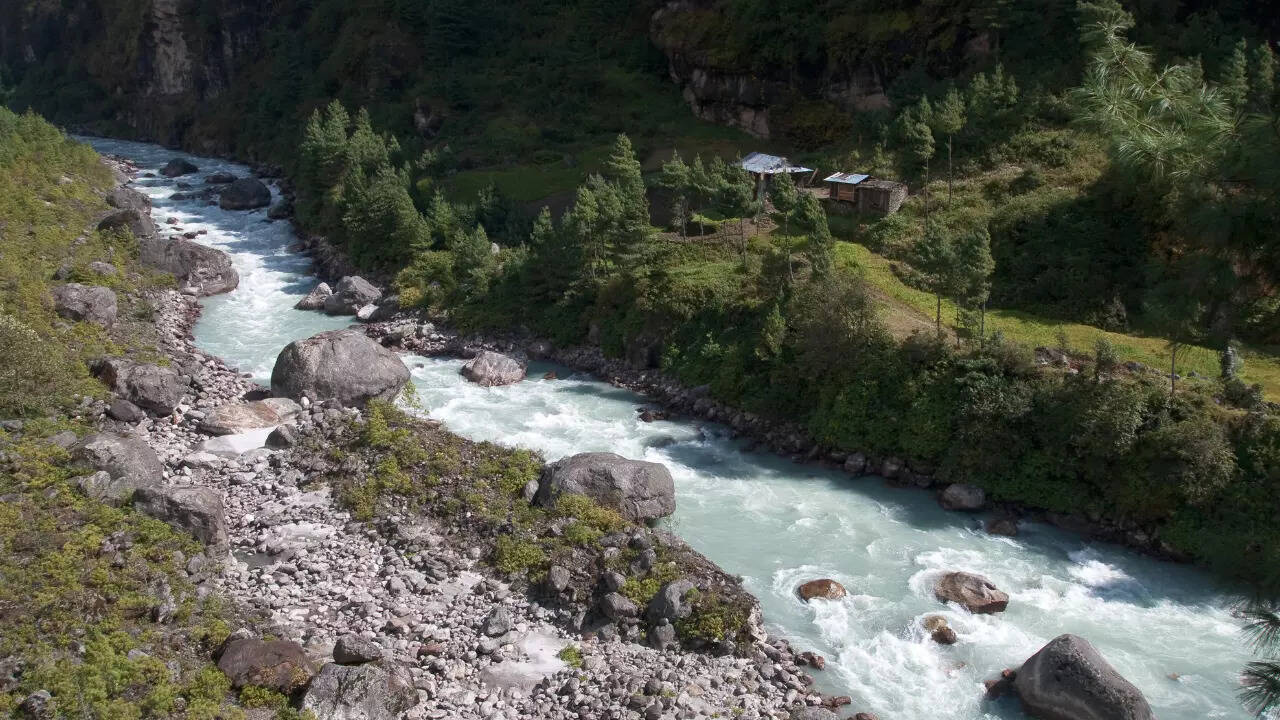
One of its major sub-basins, the Dudh Kosi, alone contains 36 glaciers and 296 glacier lakes, making the river highly sensitive to glacial melt and intense rainfall. The Kosi basin is bordered by several major river systems: the Tsangpo (Yarlung Tsangpo) basin to the north, the Mahananda basin to the east, the Ganges basin to the south and the Gandaki basin to the west.Read more: 10 most beautiful places in the world; India on the list
Seven rivers become one
Upstream of the Chatra Gorge, the Kosi system is fed by eight major tributaries. From east to west, these include the Tamur River in eastern Nepal, the Arun River, and the Sun Kosi, along with its northern tributaries Dudh Kosi, Likhu Khola, Tama Koshi, Bhote Koshi and Indravati. These principal rivers meet at Triveni, after which the river is known as the Sapta Koshi, meaning “Seven Rivers.” From here, it flows through the deep and narrow Chatra Gorge. This gorge exists because the Kosi is antecedent to the Himalayas, the river predates the mountain range and has cut downwards into the rising terrain over geological time instead of being diverted.After emerging from the gorge, the Sapta Koshi is regulated by the Koshi Barrage before entering the flat and vulnerable Gangetic plain.
A river of shifting channels
Below the Siwalik Hills, the river’s behaviour changes dramatically. The steep gradients of the mountains give way to flat terrain, causing the Kosi to deposit enormous amounts of sediment. Over centuries, this process has created one of the largest alluvial fans in the world, covering about 15,000 square kilometres. This alluvial fan is highly unstable. Evidence shows that the river has shifted its course more than 120 kilometres laterally over the past 250 years, using at least twelve major channels. In the 18th century, the river flowed near Purnea; today, it flows west of Saharsa. Satellite imagery also reveals abandoned channels and old confluences, including one north of Lava before 1731.Read more: Top 6 cities in India with the fastest normal passport delivery
A transboundary river with immense force
The Kosi, or Koshi, is a transboundary river flowing through China, Nepal and India. It drains the northern slopes of the Himalayas in Tibet and the southern slopes in Nepal before entering India. In Bihar, the river splits into multiple distributaries and eventually joins the Ganges near Kursela in Katihar district. By water discharge, the Kosi is the third-largest tributary of the Ganges, after the Ghaghara and the Yamuna, with an average discharge of 2,166 cubic metres per second. Each year, its floods affect around 21,000 square kilometres of fertile agricultural land, severely disrupting Bihar’s rural economy. Major Indian tributaries such as the Kamala and Bagmati, along with smaller streams like Bhutahi Balan, add to its volume and unpredictability.
The flood that reinforced its reputation
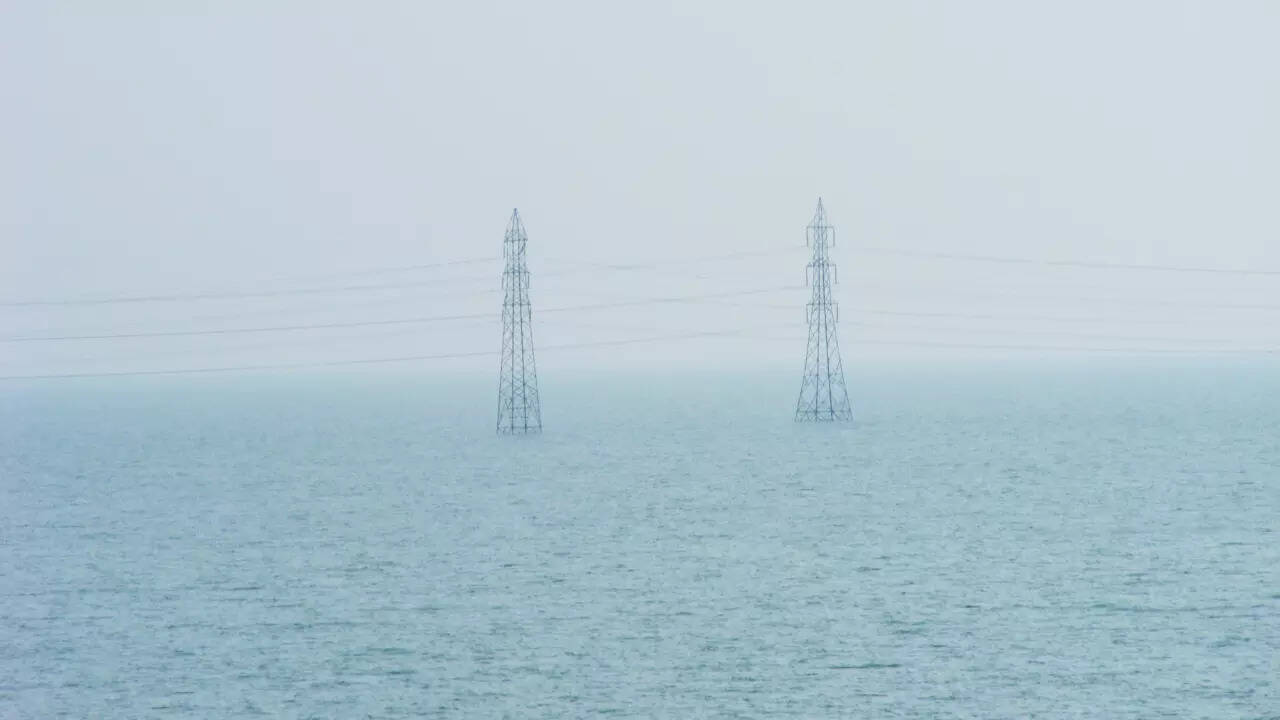
The river’s destructive potential was starkly evident on 18 August 2008, when it breached its embankment at Kusaha in Nepal and reoccupied an old channel it had abandoned more than a century earlier. Nearly 95% of its water flowed through this new course, inundating vast areas of Bihar and adjoining regions of Nepal About 2.7 million people were affected. Districts such as Supaul, Araria, Saharsa, Madhepura, Purnia, Katihar, Khagaria and Bhagalpur were among the worst hit. The disaster triggered one of the largest flood rescue operations in India in over 50 years, involving the Indian Army, National Disaster Response Force (NDRF), the Indian Air Force and multiple non-government organisations. The Prime Minister declared it a national calamity.
Why it is called the ‘Sorrow of Bihar’
It has been named ‘Sorrow of Bihar’ as it has been recorded that the annual floods affect fertile agricultural lands, which eventually disturb the rural economy. The term ‘Sorrow of Bihar’ reflects centuries of repeated destruction of crops, homes and livelihoods, caused by a river whose power is shaped by the highest mountains on Earth and unleashed across one of India’s most vulnerable plains.