
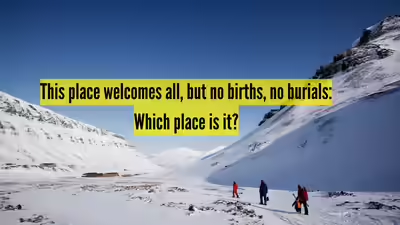
Far above the Arctic Circle, where winter swallows daylight for months at a time, there lies an extraordinary place that quietly challenges what it means to live somewhere at all. The place we are talking about is Svalbard, an Arctic archipelago governed by Norway but shaped by international treaty, is not designed for permanence. It is built for people who come, stay for a while, and then leave.Often nicknamed “Depression Island” because of its long, sunless winters, Svalbard has become the subject of persistent myths—most famously that it is illegal to die or give birth there. The truth is more subtle and far more revealing about how human life adapts at the edge of the habitable world.

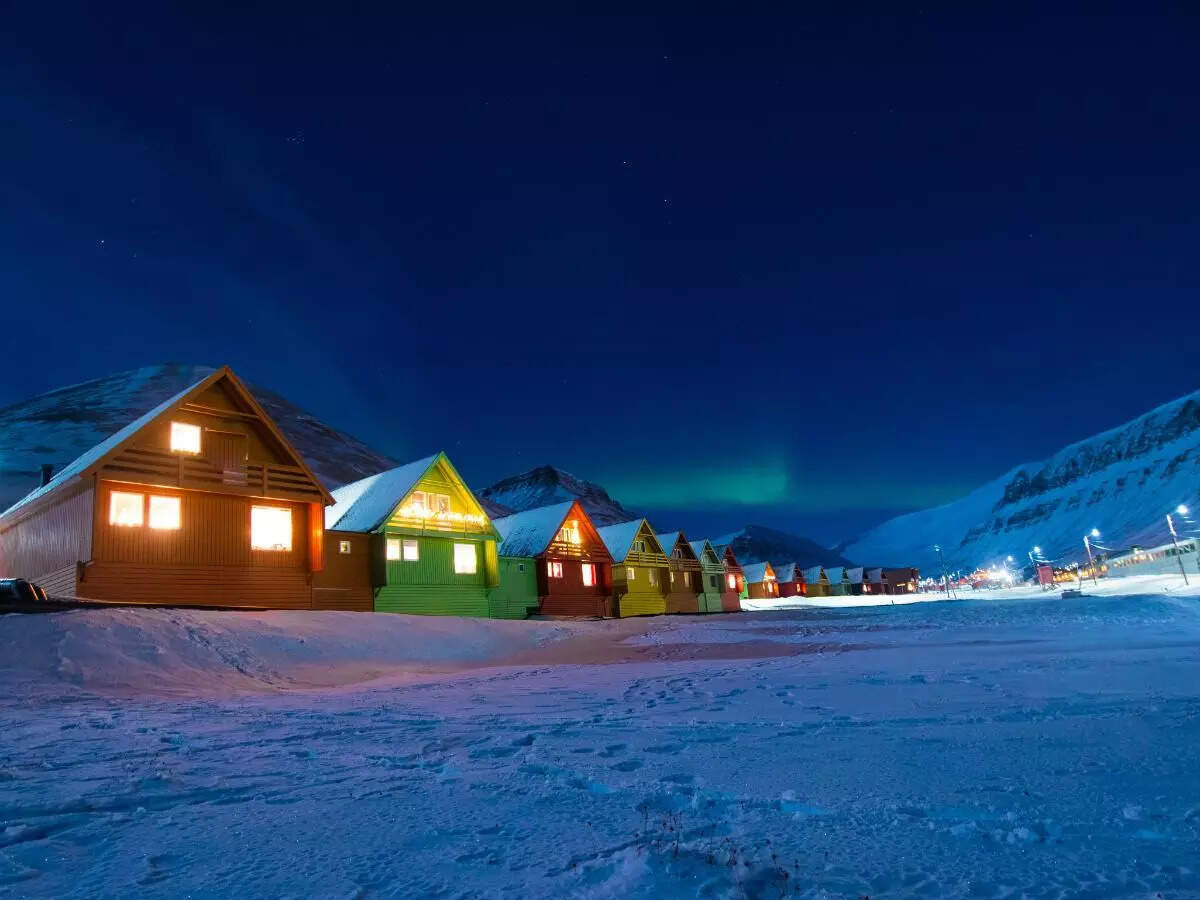
It’s interesting to note that Svalbard does not function like a conventional town or city. There are no long-term hospital facilities and no standard burial system. Pregnant women are required to travel to mainland Norway, typically to Tromsø, several weeks before their due date. Similarly, when someone dies, their body is transported south.These practices are not symbolic bans on birth or death. They are pragmatic responses to the Arctic environment. Permafrost makes burial environmentally risky, while maintaining advanced medical infrastructure for a small, shifting population is neither practical nor safe. Svalbard is intended for residents who are healthy, mobile, and self-sufficient. Read more: ASI enables online ticket booking for 170+ monuments: What visitors should know
Life in Longyearbyen
Most of Svalbard’s population lives in Longyearbyen, the archipelago’s largest settlement. Including nearby research hubs such as Ny-Ålesund, around 2,500 people live on the islands, representing roughly 50 nationalities. Norwegians form the largest group though, along with others.This diversity reflects Svalbard’s unusual legal status. Under the Svalbard Treaty of 1920, citizens of signatory countries can live and work there without a visa. As a result, the population is transient, shaped by research assignments, tourism seasons, mining, and short-term contracts.
All about their daily life

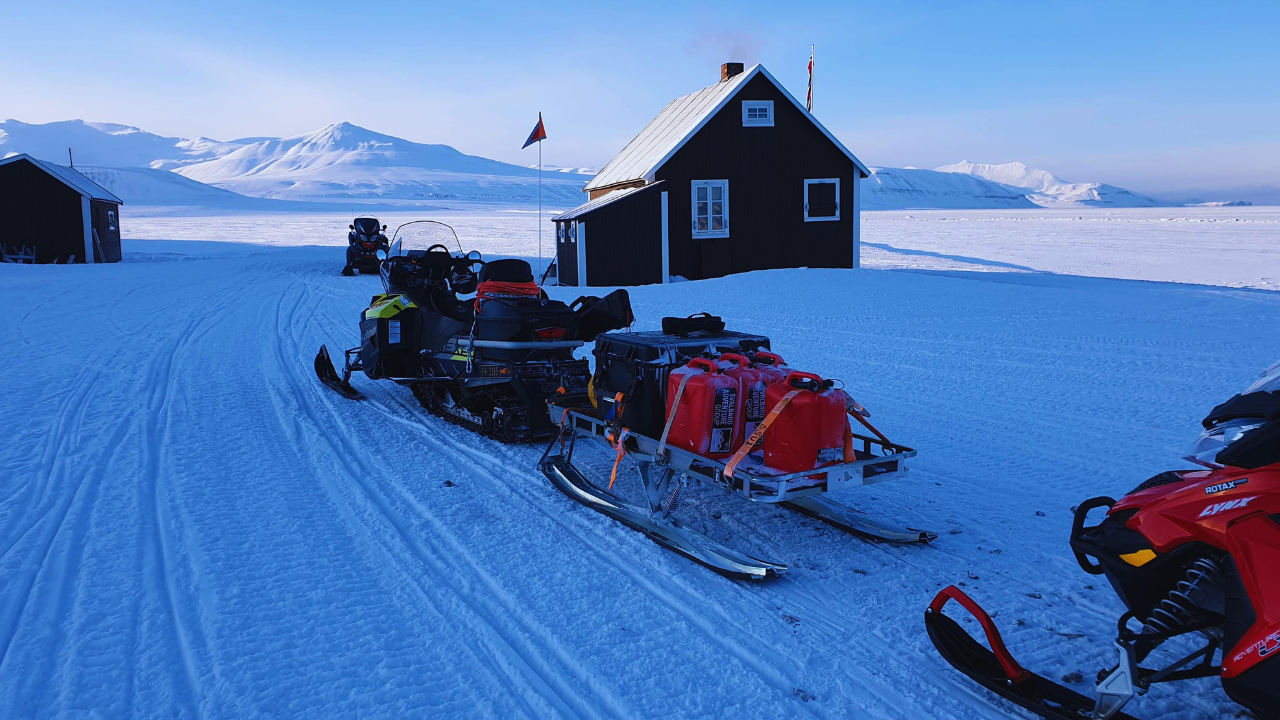
Dogs are deeply woven into life on Svalbard. With an estimated 1,200 dogs—nearly one for every two people—the islands maintain a strong sled-dog tradition. Many of these dogs live in kennels outside town, still used for transport and tourism. Increasingly, retired sled dogs are being adopted into homes, trading long Arctic runs for quieter companionship.Daily life unfolds under extreme conditions. In winter, darkness dominates. In summer, the sun never sets. These cycles shape work schedules, mental health, and social life in ways that mainland societies rarely experience. Read more: 10 countries with most numbers of vegetarians
Death, birth, and the myths that persist
No one is denied medical care or emergency assistance in Svalbard. If a baby is born unexpectedly, local facilities can handle emergencies, including premature births. Likewise, death is not prohibited.What Svalbard does restrict is long-term dependency. There is no extensive social safety net for residents who develop serious illnesses or require ongoing care. In that sense, the archipelago makes its expectations clear: it is a place for those who can manage its extremes.Svalbard is not a frozen oddity where rules defy humanity. It is a carefully managed experiment in living lightly within one of the world’s most fragile environments. Its policies reflect limits, of geography, climate, and sustainability—rather than cruelty or control.Life here is temporary by design. And perhaps that is what makes Svalbard so compelling: it reminds us that not every place is meant to hold us forever.