
- Tribal chiefs say they were asked to sign certificates surrendering their land to back the ₹81,000-crore Great Nicobar development.
- The Nicobarese say they were relocated from their ancestral land on the west coast to the east coast after the 2004 tsunami with assurances of return, but now face the permanent loss of their land due to the project.
- The Centre is pressing ahead despite unresolved objections, legal challenges, and serious risks to vulnerable tribes and protected ecosystems.
Tribal council chiefs in Great Nicobar allege they were asked to sign certificates surrendering their ancestral land on the island’s west coast to allow for the development of the Great Nicobar island project.
During a press conference on January 22, chiefs of tribal committees on the island said they were invited for a meeting by the district administration on January 7, and then asked to sign surrender certificates in order to show support for the island’s development, which they have opposed since 2022. The Great Nicobar island project involves the construction of a transshipment container port, a large township, a greenfield airport, and a gas and solar power plant at a cost of ₹81,000 crores (₹810 billion).
The land used to be occupied by the Nicobarese across 27 villages until the 2004 tsunami, after which they were relocated to settlements in Rajiv Nagar and New Chingenh, near Campbell Bay on the upper east coast.
“When we were resettled, we were promised that we could return to our land after some time, but that never happened. The areas we have been relocated to are too small to do any fishing, cultivation, or even celebrate our festivals properly,” said Titus Peter, first captain of the Pulo Bhabi village, adding, “We want our lands to be returned to us, not asked to surrender the land. If we sign such a certificate, we can lose our land forever and nothing will be left for future generations.”
The tribal chiefs were asked to sign the surrender certificates without any details about the extent of land sought. Mongabay-India reached out to the district administration over email regarding the January 7 meeting, but did not receive a response at the time of publishing this article.
In 2022, the government de-notified 170 sq. km. of the island’s tribal reserve after obtaining a no-objection certificate (NOC) from the Tribal Council’s chairman. However, the Tribal Council withdrew its consent shortly after. “We were made to sign the NOC in such a hurry, before we could even read it. After learning about the extent of land they wanted and what it was for, we wrote a letter to the administration withdrawing our consent, but never got a reply,” said Barnabas Manju, Chairman of the Tribal Council during the press meet.
In the Parliament, the Andaman and Nicobar islands administration told the Centre that all procedures had been followed before clearances for the Great Nicobar project were secured, including under the Forest (Rights) Act. But the tribal committee chiefs refute this. “The FRA hasn’t been implemented at all; we have no certificates recognising our rights under FRA,” said Peter. The FRA recognises the historical rights of forest dwelling tribes and communities over forest resources, and requires gram sabha consent before the land is diverted for other purposes.
Multiple written objections to the Union environment ministry, Union tribal affairs ministry, and Andaman and Nicobar island administration by the Tribal Council have gone unanswered, the chiefs further reiterated. Apart from the Nicobarese, the island is also inhabited by the Shompen, a particularly vulnerable tribal group that is largely uncontacted. Their consent for the project was taken via “consultation with the concerned authorities,” the Ministry of Tribal Affairs said in Parliament.
Opposition leaders from the Congress Party, including Rahul Gandhi and the former environment minister Jairam Ramesh, have raised concerns about the lack of consent by tribal communities for the project. In 2022, a letter by leading anthropologists in India warned that the infrastructure development on the island could expose the Shompen to alien diseases, and lead to conflicts with other sub-tribes in search of lost resources.

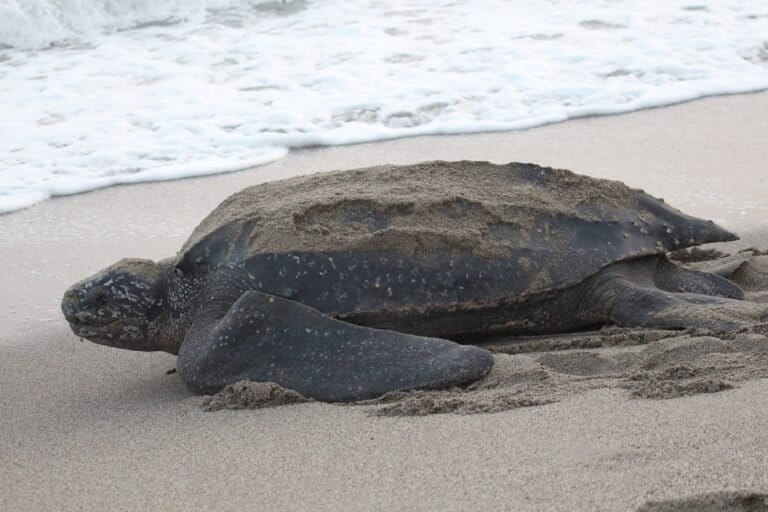
The Union government has said on several occasions it will go ahead with the project even though an ongoing court case challenges the environmental clearances awarded to it. Portions of the project fall in strictly protected areas that are habitats for leatherback sea turtles, megapodes, and salt water crocodiles, among countless other species. The project will lead to the destruction of coral reefs, diversion of 130 sq. km. of virgin rainforest, and the felling of one million trees.
The transshipment port is the first of the infrastructure projects set to be operationalised on Galathea Bay, a nesting site for leatherback sea turtles. According to a letter issued by the Union Shipping Ministry and reviewed by Mongabay-India, a group of four officials led by Joint Secretary R. Lakshmanan, is scheduled to visit the island on January 23 and 24 to “ensure that strategic, economic and operational considerations are comprehensively addressed before final approval of the ICTP project.”
“We’re against the destruction of the forest for this project, and we want our land returned to us,” said Manju.
Read more: Court submission challenges ‘confidential’ report on the Great Nicobar Island plan
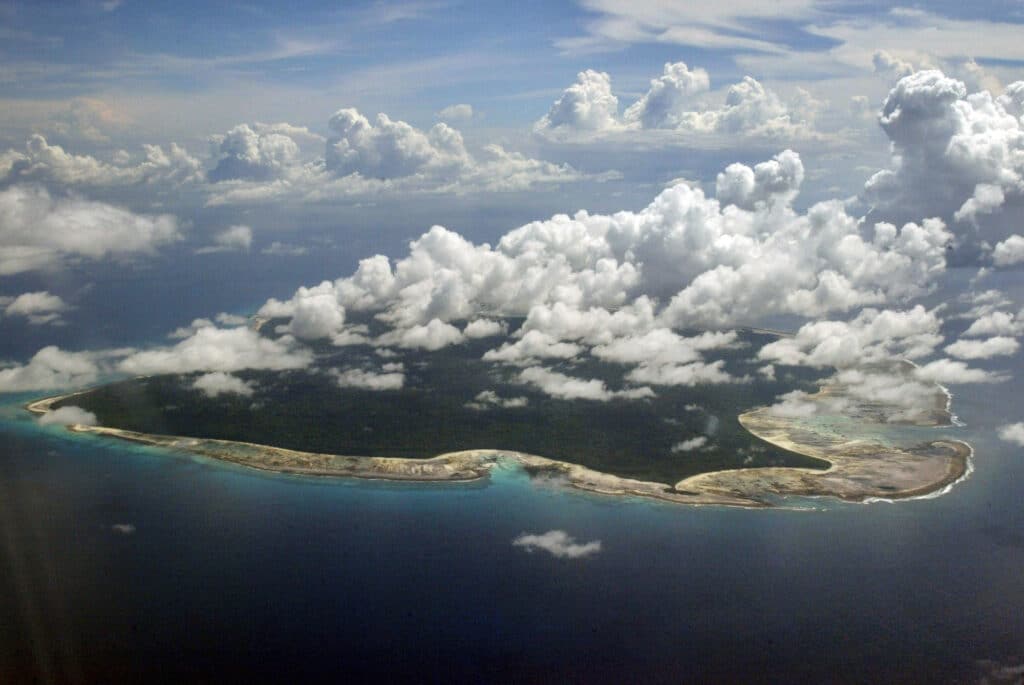
Banner image: An aerial view of North Sentinel island. (AP Photo/Gautam Singh, File)

