It was supposed to be the occasion to cement America’s commitment to Europe’s security.
Instead the twin shadows of Venezuela and Greenland hung over crucial talks in Paris on Tuesday, as President Donald Trump’s military action raised questions over the United States’ focus on the war in Ukraine — and its status as an ally of the powers it was meeting with.
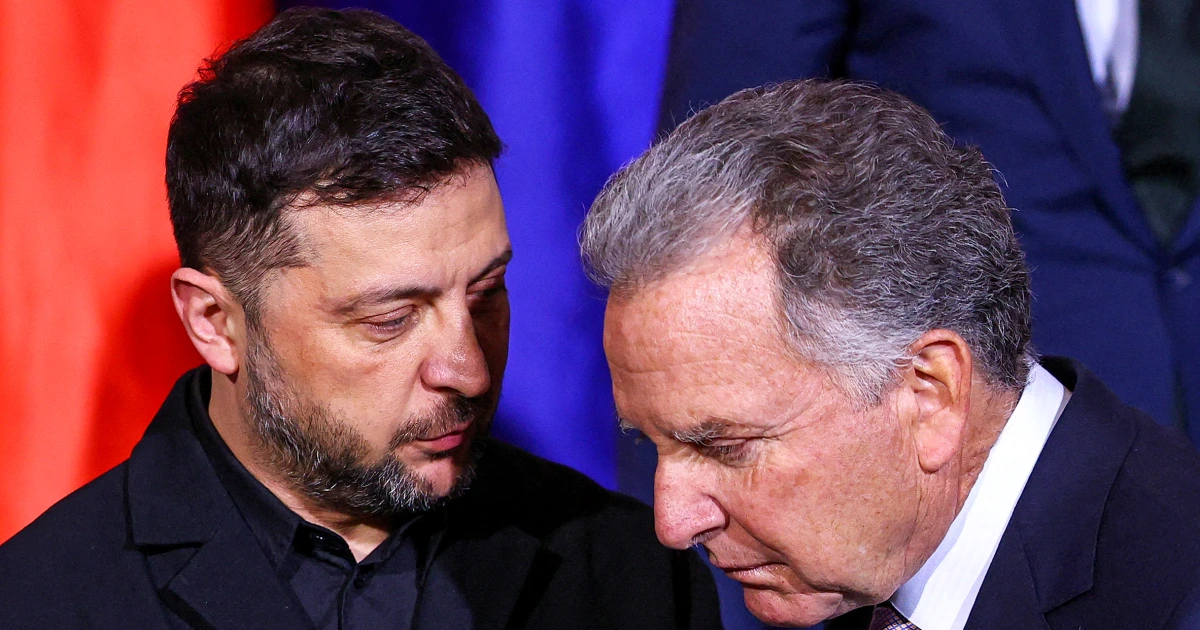
Trump’s son-in-law Jared Kushner and special envoy Steve Witkoff are set to join Ukrainian President Volodymyr Zelenskyy and more than 25 other leaders in the French capital, according to a White House official.
French President Emmanuel Macron had said this gathering of the so-called “coalition of the willing” would see the allies “make concrete commitments” to Ukraine’s security as part of any future peace deal with Russia.
Ukraine’s president called the meeting “a new opportunity to end this war,” in a statement Saturday.
But despite this apparent progress, after months of painstaking peace talks it remains a colossal ask to bridge the chasm between Russia’s insistence on its hardline demands and the fears held by Ukraine and Europe that Vladimir Putin may use a deal as a launchpad to attack again.
This has only been further complicated by the U.S. attack on Venezuela and capture of President Nicolas Maduro — which the United Nations said undermined international law — and perhaps more so by Trump’s growing threats to seize Greenland.
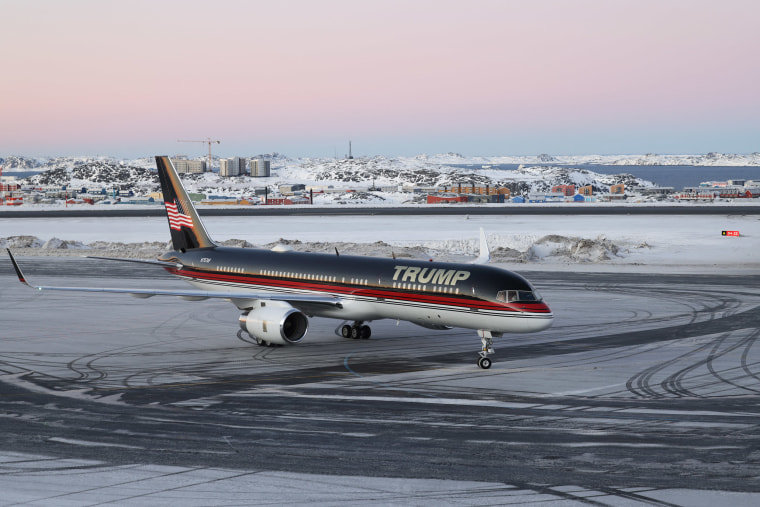
The strategic and mineral-rich territory is owned and governed by Denmark, which in turn is a member of NATO and a historic ally of Washington.
One of the key elements being discussed in Paris is Ukraine and Europe’s desire for “security guarantees,” which could come in the form of a multinational force being deployed to Ukraine to ensure Russia does not launch further attacks.
Kyiv and its allies have consistently said that this would need to be backed by American military power. But Trump has indicated he may instead turn that might against a NATO ally, telling NBC News on Monday that he was “very serious” in his ambitions to take control of Greenland.
Many experts believe that this would spell the end of the alliance and mark a new nadir for transatlantic ties that are already strained under Trump.
“It would de facto mean that NATO was dead because many European nations would simply say, ‘OK, we cannot rely on the Americans anymore,'” said Peter Viggo Jakobsen, an associate professor at the Royal Danish Defence College.
Danish Prime Minister Mette Frederiksen said much the same Monday, telling her country’s TV2 broadcaster that “if the United States chooses to attack another NATO country militarily, then everything stops.”
European powers, while reluctant to criticize Trump directly, have made it clear they would deeply oppose such a move by Washington.
“No member of should attack or threaten another member of the North Atlantic Treaty,” Polish Prime Minister Donald Tusk said Tuesday. “Otherwise, NATO would lose its meaning if conflict or mutual conflicts occurred within the alliance.”
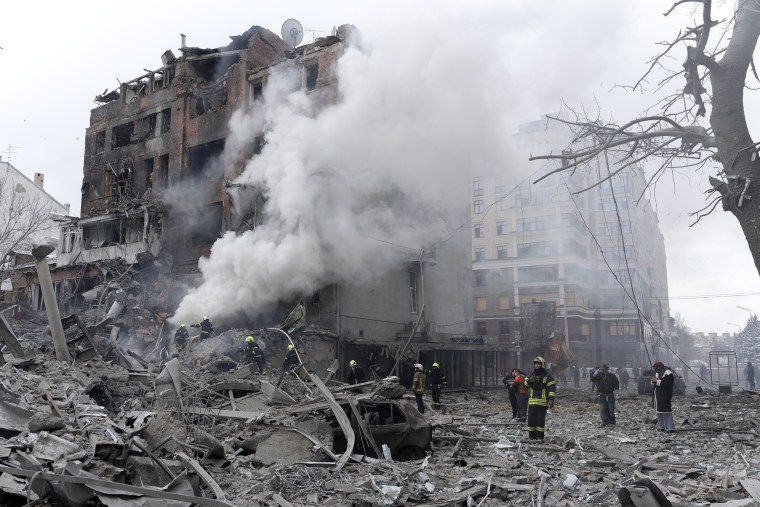
That said, talks to end the war in Ukraine have accelerated since November, with a frenzy of shuttle diplomacy between American, European, Ukrainian and Russian officials.
Zelenskyy said that a peace deal is “90%” there, albeit suggesting that the final 10% contains the thorniest issues.
It is unclear whether Russia will ever accept any form of security guarantee, with Putin wavering little in his demand for Ukraine’s effective surrender.