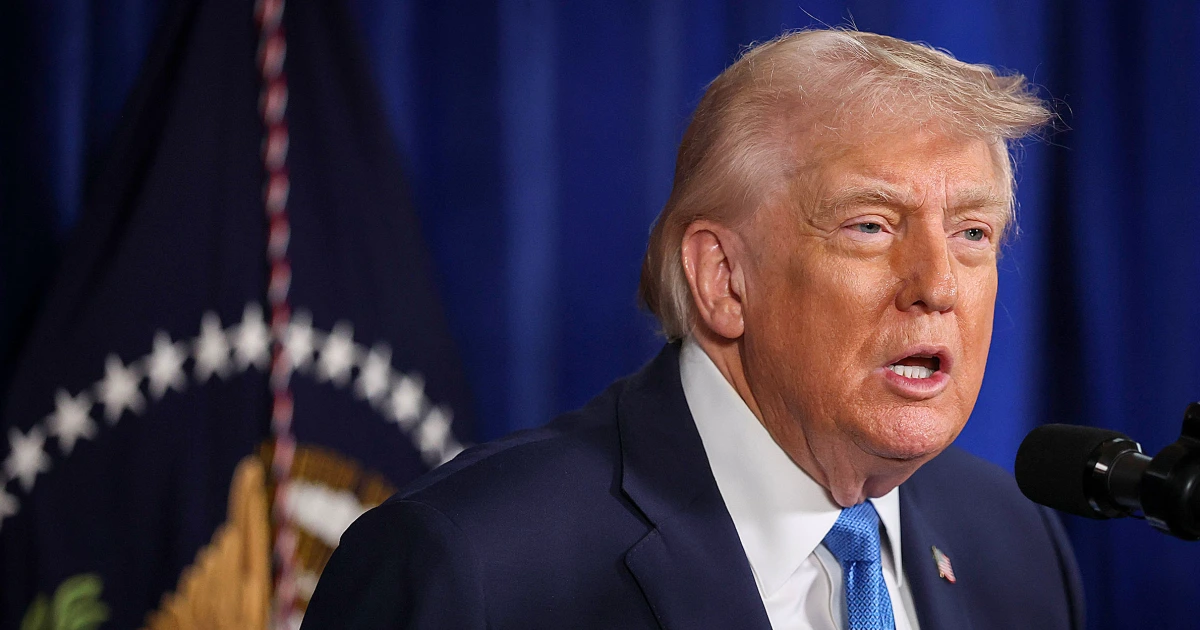
President Donald Trump’s decision to withdraw the U.S. from international organizations affiliated with the United Nations leaves the country without a meaningful voice in global climate talks.
In an executive order Wednesday, Trump suspended U.S. support for 66 international bodies and commissions, including the United Nations Framework Convention on Climate Change (UNFCCC), which the U.S. joined in 1992, and the Intergovernmental Panel on Climate Change, which produces the world’s premier climate reports.
In a post on X, the White House said the organizations “no longer serve American interests.”
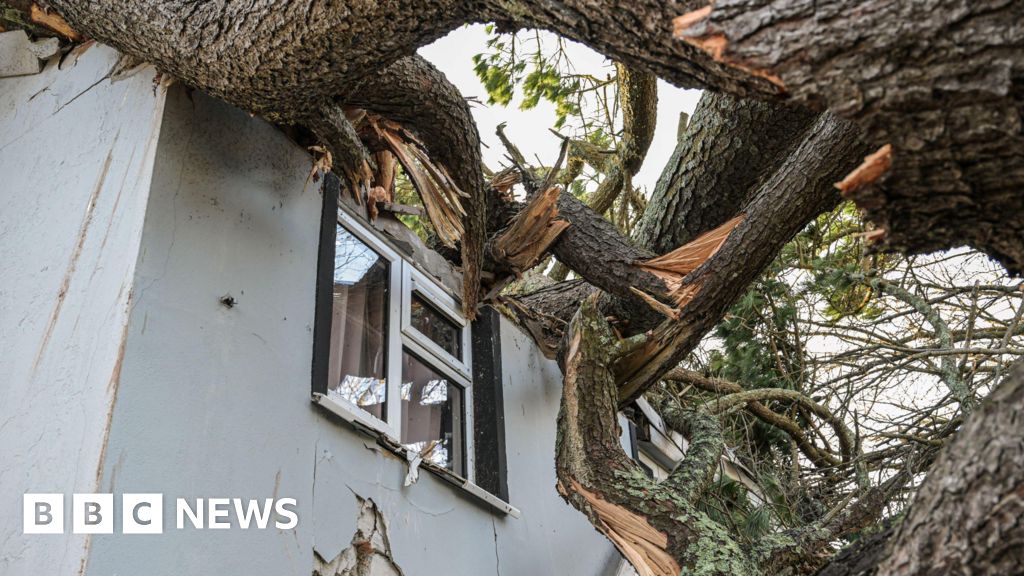
The move is yet another sign that the Trump administration is abandoning all efforts to fight climate change, rolling back these policies at a time when global warming is making weather disasters more frequent and intense across the country. Extreme events like wildfires, floods and hurricanes already cost the U.S. tens of billions of dollars every year. In 2025, 23 weather and climate events exceeded $1 billion in damages, costing a total of around $115 billion, according to an analysis released Thursday by the nonprofit organization Climate Central.
The withdrawal is an escalation of the U.S.’ rejection of climate diplomacy under Trump, further isolating the country from the global aim of slowing warming and staving off the most catastrophic effects of climate change.
Trump began the process of pulling the U.S. out of the Paris Agreement in January 2025. The accord, signed in 2016, stipulated that the 195 participating nations would work to limit greenhouse gas emissions to ensure that the planet wouldn’t warm more than 1.5 degrees Celsius (2.7 degrees Fahrenheit), with an upper limit of 2 degrees C.
The UNFCCC created the underlying structure that the Paris Agreement later built upon. It was established in 1992 to inventory and begin to address the primary sources of greenhouse gas pollution. President George Bush signed the treaty after the Senate delivered its consent in a two-thirds vote.
If the U.S. completes its exit from the UNFCCC — a process that takes a year — it would be the first country ever to do so. Re-entering the UNFCCC treaty would require a new two-thirds vote from the Senate, so Trump’s withdrawal could make it difficult for a future president to rejoin the Paris Agreement.
Withdrawing from the UNFCCC would also leave the U.S. as one of the only nations without representation at international climate talks. Already, the White House declined to send an official delegation to the latest U.N. climate summit, COP30, in Brazil last fall.
“When you look at all these conventions and the history of participation, even when countries were not really actively engaged in negotiations, it’s pretty astonishing to walk away from the table and have decisions taken without your input,” said Kristie Ebi, a climate scientist at the University of Washington who has contributed to several Intergovernmental Panel on Climate Change reports.
Previous U.S. administrations have not always been enthusiastic participants in international climate discussions, Ebi added, but they still kept tabs on them.
“People showed up, sat in the back and did crossword puzzles and never said a word, but they wanted to hear what the discussions were,” she said. Now, “it’s isolation.”
The Trump administration has expressed open hostility for the UNFCCC and other international organizations. In a statement on X, Secretary of State Marco Rubio called them “anti-American, useless or wasteful.”
The U.S. will officially exit the Paris Agreement on Jan. 27 — roughly a year after the Trump administration initiated the nation’s exit from the deal.
However, legal questions remain as to whether Trump has the power to exit the UNFCCC without Congress’ consent.
Jean Su, an attorney with the Center for Biological Diversity who directs its energy justice program, said her organization views the move as illegal.
“The Constitution has articulated what it takes to get into a treaty, which is two-thirds of the Senate majority, but it is actually silent on what it takes to leave a treaty,” Su said. “There has not been affirmative case law either way as to whether a president can unilaterally pull out of a treaty that was approved by two-thirds of the Senate. So we are looking at legal action.”
The UNFCCC is the world’s facilitator of global climate negotiations. Each year, a host country organizes a Conference of the Parties (COP), in which all participating nations meet to discuss things like emission targets and how to fund climate action globally. Last year’s meeting focused, in part, on the Amazon rainforest and how to address deforestation and climate effects there. The UNFCCC secretariat helps organize these events, creating a structure and facilitating the meetings.
“It’s like hosting the Olympics — you don’t do that without the organization to help,” Ebi said.
When the U.S. left the Paris Agreement, it created a budget hole for the UNFCCC. Bloomberg Philanthropies, the charity organization of former New York City Mayor Michael Bloomberg, stepped in to fill that gap and keep the secretariat operating.
The Intergovernmental Panel on Climate Change (IPCC), meanwhile, is an independent body designed to provide policymakers with the best science about climate change, its effects and how it could be addressed. This organization’s reports form the scientific understanding for UNFCCC discussions and treaties.
In a statement, Simon Stiell, executive secretary of the UNFCCC, said Trump’s exit “will leave the US less secure and less prosperous.”
“The doors remain open for the US to reenter in the future, as it has in the past with the Paris Agreement,” he added.
Throughout his first year in office, Trump has made climate programs a target of dramatic budget cuts. He has called climate change a “con job,” and the administration has taken steps to scuttle or downplay key climate reports, including the National Climate Assessment. It is working to remove the Environmental Protection Agency’s ability to regulate the greenhouse gas pollution that causes global warming.
Former Vice President Al Gore, a climate activist, said Wednesday on X that the Trump administration has been “turning its back on the climate crisis since day one,” accusing it of catering to the interests of the oil industry while “endangering people in America and around the world.”
“By withdrawing from the IPCC, UNFCCC, and the other vital international partnerships, the Trump Administration is undoing decades of hard-won diplomacy, attempting to undermine climate science, and sowing distrust around the world,” Gore said.