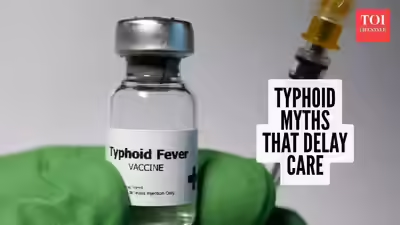
Typhoid fever still affects thousands every year, especially in countries with unsafe water and poor sanitation. The disease is caused by Salmonella Typhi bacteria and spreads through contaminated food and water. Government health bodies like the World Health Organisation (WHO), India’s Ministry of Health and Family Welfare (MoHFW), and the US Centers for Disease Control and Prevention (CDC) clearly state that early diagnosis and correct treatment save lives. Yet, many people reach hospitals late. The reason is not lack of medicines, but myths that can delay action. Here are some harmful myths about typhoid that often slow diagnosis, treatment, and recovery.
“Typhoid always starts with very high fever”
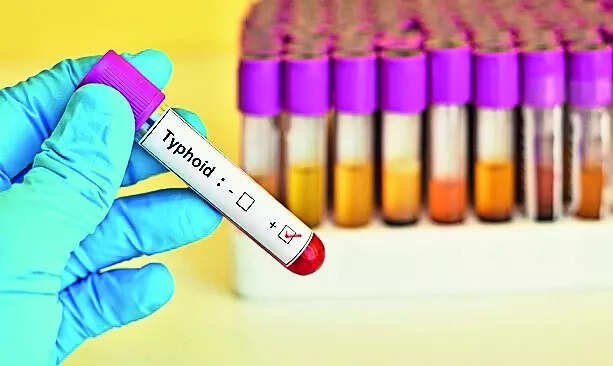
Many wait for a dramatic fever before seeking care. This delay can be risky. According to WHO and CDC, typhoid often begins with mild fever, headache, weakness, or stomach discomfort. In the first week, the temperature may rise slowly, not suddenly. Because symptoms look “ordinary,” people treat it as viral fever or food poisoning. By the time fever becomes severe, the infection may already be advanced.Why this matters: Early blood tests work best in the first week. Waiting reduces test accuracy and delays antibiotics.
“If appetite is okay, it cannot be typhoid”
A common belief is that typhoid patients cannot eat at all. Government health advisories explain that appetite loss varies. Some patients continue to eat small meals during early illness. Children and young adults may even appear active for a few days. This false sense of normalcy delays testing.What gets missed: Internal infection can progress even when the stomach feels “mostly fine.”
“Clean homes cannot have typhoid”
Typhoid is often linked only to poor hygiene. MoHFW clearly notes that even clean homes are at risk if drinking water, raw vegetables, ice cubes, or outside food is contaminated. Typhoid bacteria cannot be seen, smelled, or tasted. The illness does not judge cleanliness, income, or education.Hidden risk: Repeated eating from trusted local vendors without safe water checks.
“Antibiotics can be stopped once fever drops”
Fever often reduces within a few days of antibiotics. This leads many to stop medicines early. Government treatment guidelines strongly warn against this. Incomplete treatment allows bacteria to survive. This increases relapse risk and drug resistance, which is a growing public health problem in India and worldwide.Long-term impact: Incomplete treatment can turn patients into carriers who spread infection without symptoms.
“Typhoid vaccine gives lifelong protection”
The typhoid vaccine is important, but it is not a lifetime shield. WHO states that protection reduces over time and does not cover all strains. Vaccinated individuals can still get infected, though illness may be milder. Assuming full protection often delays testing when symptoms appear.Reality check: Safe water, hygiene, and early testing remain essential even after vaccination.Disclaimer: This article is for general awareness only and is based on guidance from government and public health authorities. It does not replace medical advice. Anyone with persistent fever or suspected typhoid symptoms should consult a qualified healthcare professional for diagnosis and treatment.