The warmest and sunniest spring on record this year led to an increase in the breeding of some of Britain’s best-loved songbirds, data has shown.
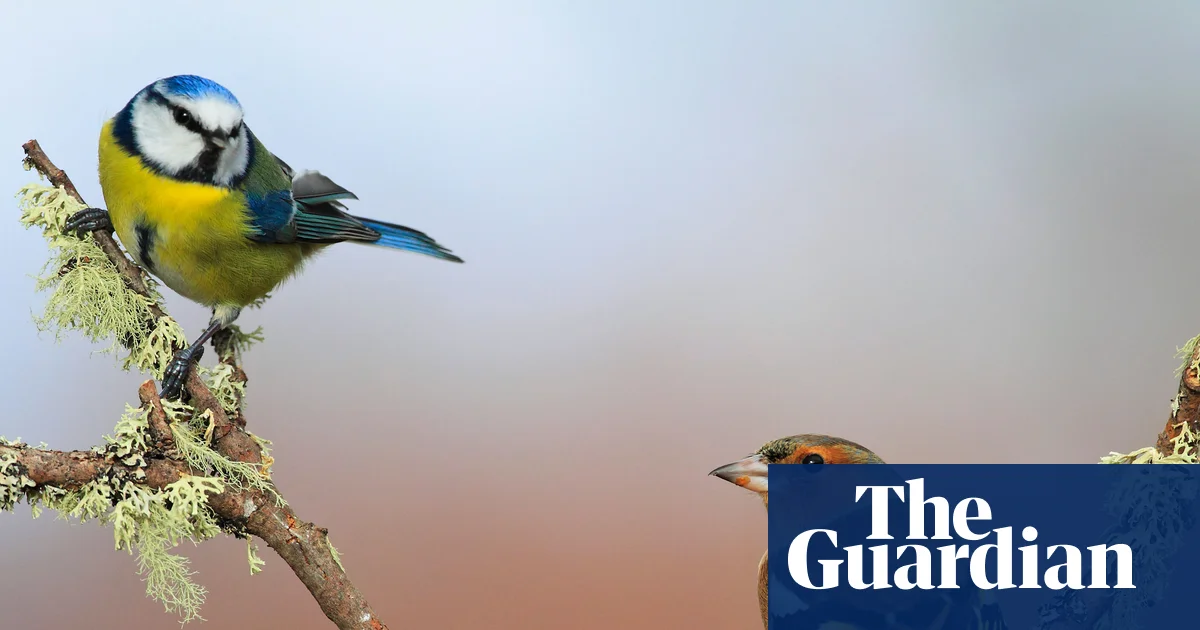
Scientists said the dry and warm spring had provided a glimmer of hope for threatened wild birds. In the 2025 breeding season, from May to August, there were higher than average breeding successes for 14 species including the chiffchaff, garden warbler, whitethroat, coal tit, blue tit, great tit and robin.
During 2025, volunteer bird ringers for the British Trust for Ornithology monitored 29 songbird species at specified locations under a project known as the constant effort sites scheme.
Participants catch birds at the same place in the same way throughout the summer, allowing scientists to see how numbers of adults and newly fledged young are changing over time and whether they are surviving better or worse than in previous decades.
Compared with the very wet spring of 2024, there were above average successes in the 2025 breeding season.
Dr Ellie Leech, the head of the ringing scheme, said: “Thanks to the fantastic efforts of BTO bird ringers, we know that the breeding success of 14 species was higher than average in 2025, in large part due to the mild weather. This is welcome news.”
Leech said the contrast between the sunny and dry spring of 2025 and the continual downpours of 2024 could not be more stark. “[It] shows just how important the weather can be; this is particularly for young birds that are less well insulated and less experienced at finding food in difficult conditions.”
Above average breeding successes were recorded for migratory birds including the chiffchaff, reed warbler, blackcap, garden warbler and whitethroat. For resident birds, nine species – the coal tit, blue tit, great tit, Cetti’s warbler, long-tailed tit, robin, dunnock, chaffinch and goldfinch – there were statistically significant increases in breeding compared with the five-year average.
The report says: “It is likely that all species benefited from the mild and dry spring and summer weather and that the prolonged good weather in summer 2025 increased the likelihood of second broods, leading to higher productivity.”
Despite the above average breeding successes of 14 species, adult numbers of some of the best-loved songbirds declined in numbers this year, which has been put down to the poor breeding season last year.
For the willow warbler and garden warbler, the numbers recorded in 2025 were the lowest on record.
Leech said the effects of climate breakdown could make matters worse for wild birds, with several of the species that are regularly monitored showing long-term declines.
British wild birds continue to be in serious decline. The most recent red list of birds of conservation concern, which lists species at risk of extinction, includes much-loved British birds such as the skylark, starling, woodcock, house martin, house sparrow and swift.
Most of the declining species are farmland birds, according to the RSPB, which says intensive farming practices, including pesticide and fertiliser use, are the main driver of bird population declines.