By Gregory Schmidt
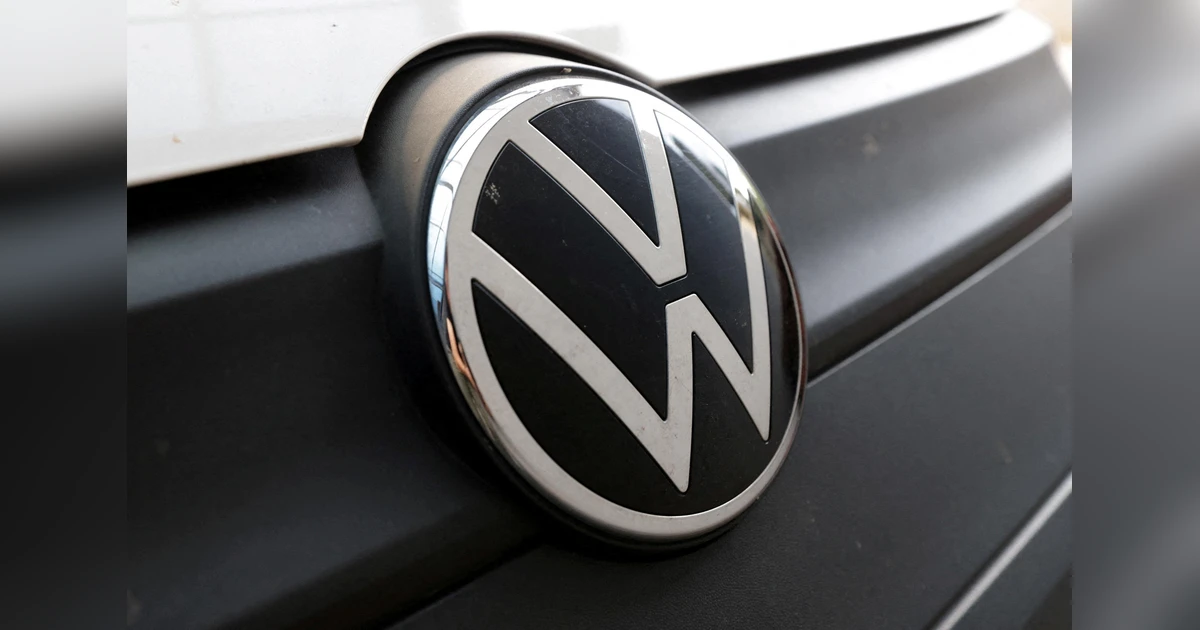
The last vehicle will roll off the assembly line at Volkswagen’s plant in Dresden, Germany, on Tuesday, marking the first time in the automaker’s 88-year history that it has closed a plant in its home country.
Volkswagen warned of potential production cuts last year, as it faced shaky demand in Europe and China, its biggest market, as well as higher tariffs that have crimped sales in the United States.
After 24 years of vehicle production, the Dresden plant will be converted into a research hub focused on technologies like artificial intelligence, robotics and chip design. Volkswagen will team up with the government of the state of Saxony and the Dresden University of Technology on the project at the plant, known as the Transparent Factory because of its glass walls.
“We did not take the decision to end vehicle production at the Transparent Factory after more than 20 years lightly,” Thomas Schäfer, chief executive of the Volkswagen brand, said in a statement. “From an economic perspective, however, it was absolutely necessary.”
In an agreement with the works council that represents the company’s employees in Germany, Volkswagen said, the 230 remaining workers at the Dresden plant will be offered severance, retirement packages or the option to transfer to another location.
©2025 The New York Times News Service