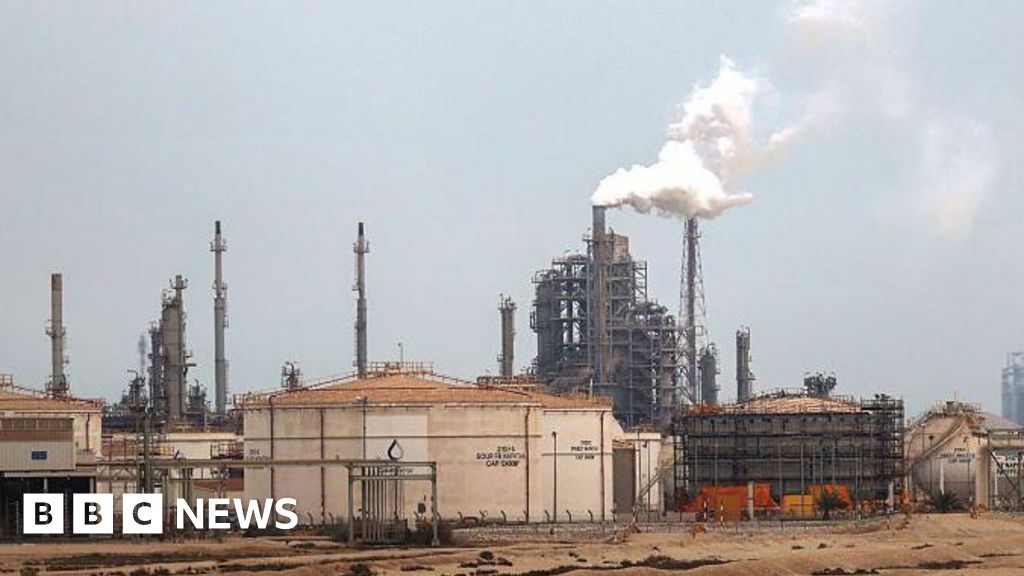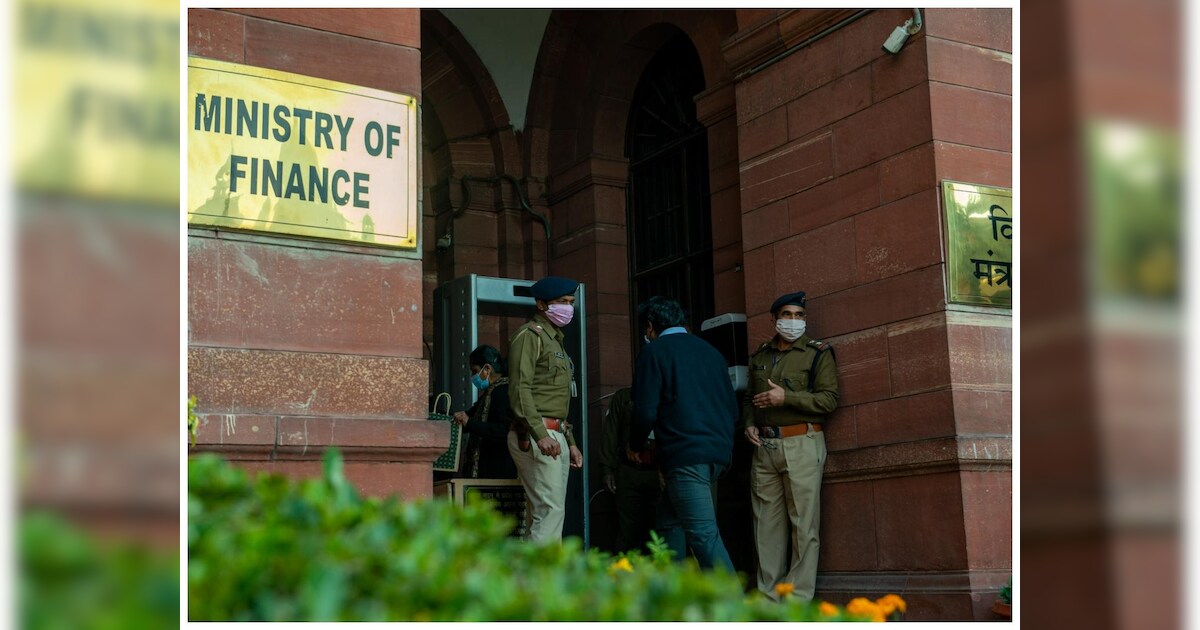
A prolonged conflict in the region can be detrimental to the economy, placing pressure on inflation, exchange rate, trade and capital flows, the balance of payments, and the current account deficit, the ministry warned in its monthly economic review. Sectors like fertilisers and petrochemicals, dependent on LNG and crude whose prices have risen 9 per cent and 50 per cent, respectively, since the conflict, could be affected too, it noted.
“India enters the next financial year with a solid macroeconomic backdrop, unlike during the previous turbulent episodes in the Gulf region,” the review averred, calling the developments since the killing of Iran’s Supreme Leader Ali Khamenei “a pivotal escalation echoing the 1991 Gulf War oil shocks, potentially reshaping global energy geopolitics for decades”.
Stating that crude oil prices must remain above $100 per barrel for a sustained period for macroeconomic aggregates to reflect strain, the review authored by officials in the Department of Economic Affairs (DEA), however, emphasized “large unknown unknowns” in several other areas.
“Crude oil may be one obvious stress marker, but the supplies of natural gas and cooking gas also matter. The safety of sea lanes matters for overall exports and capital flows,” the DEA officials pointed out. “Even if only latent for now, the risks to India’s balance of payments may have become elevated due to this conflict. Stress-testing balance-of-payments under various scenarios has to be undertaken periodically,” they added.
While speculation is rife on the endgame for this conflict, in a rare preface to the DEA’s monthly report, officials asserted that one thing was certain — the levels of volatility in macroeconomic outcomes and financial markets, and the world’s uncertainty, will likely remain elevated for some time.
Despite India’s high import dependency on crude oil, the country has sufficient forex reserves, a low current account gap and low inflation, which collectively allow it to effectively mitigate the impacts of rising global crude oil prices and ensure domestic energy security, the review said. “However, if the crisis persists, it could have material implications for the exchange rate and the current account deficit and could stoke inflationary pressures (which otherwise have supportive supply-side dynamics). Subdued capital flows, accentuated by a flight to safety, could put pressure on the currency,” it noted.
The week-old West Asia conflict “once again underscored the importance of natural resource buffers in the coming years” the review iterated, stating that fiscal resources have to be found and “reprioritization” may be necessary in the coming years for the Central as well as State governments.
Exporters needed to grab the markets opened up by India’s free trade agreements with several nations, the review’s authors argued. “The conflict now with us has issued a serious, urgent reminder that there is not much time left for Indian businesses to embrace them,” they said.
They also said that tariff uncertainty is expected to persist through 2026, as governments around the world pursue diverse domestic policy objectives. “Frequent policy changes further increase uncertainty, discouraging investment and complicating planning. In January 2026, the trade policy uncertainty index increased by 33.2 per cent on a month-on-month basis, following four consecutive months of decline,” the officials flagged.
“The future has become that much more uncertain, with every indication that it will remain so for quite some time to come. If and when growth is buffeted by external developments, long-standing issues such as urbanisation, air and water pollution, unbalanced economic development of states and the unsustainable fiscal health of some of them may emerge as more binding growth constraints than before,” the review’s preface cautioned.
“External developments, including global growth conditions, trade dynamics, commodity price movements and geopolitical factors, will continue to shape the outlook. Nevertheless, strong macroeconomic fundamentals and continued reform momentum position the economy well for expansion,” the review stated.
Coming on the back of the second advance estimates under the new national accounts series rebased to 2022-23, the monthly economic review said that given the decline in India’s nominal GDP from Rs 357.1 trillion to Rs 345.5 trillion, the economy may likely become the world’s fourth largest economy in FY28.