
Processed meats often get labeled as the least healthy protein choice for good reason. Large studies tracking real people over decades show they link more strongly to heart disease, colorectal cancer–and shorter lifespan than most other proteins like fish, eggs, beans-or even unprocessed red meat. The issue is not just the meat itself but the heavy processing with salt, nitrates, smoking-and high heat that turns it into a riskier package.
Defining processed meat clearly
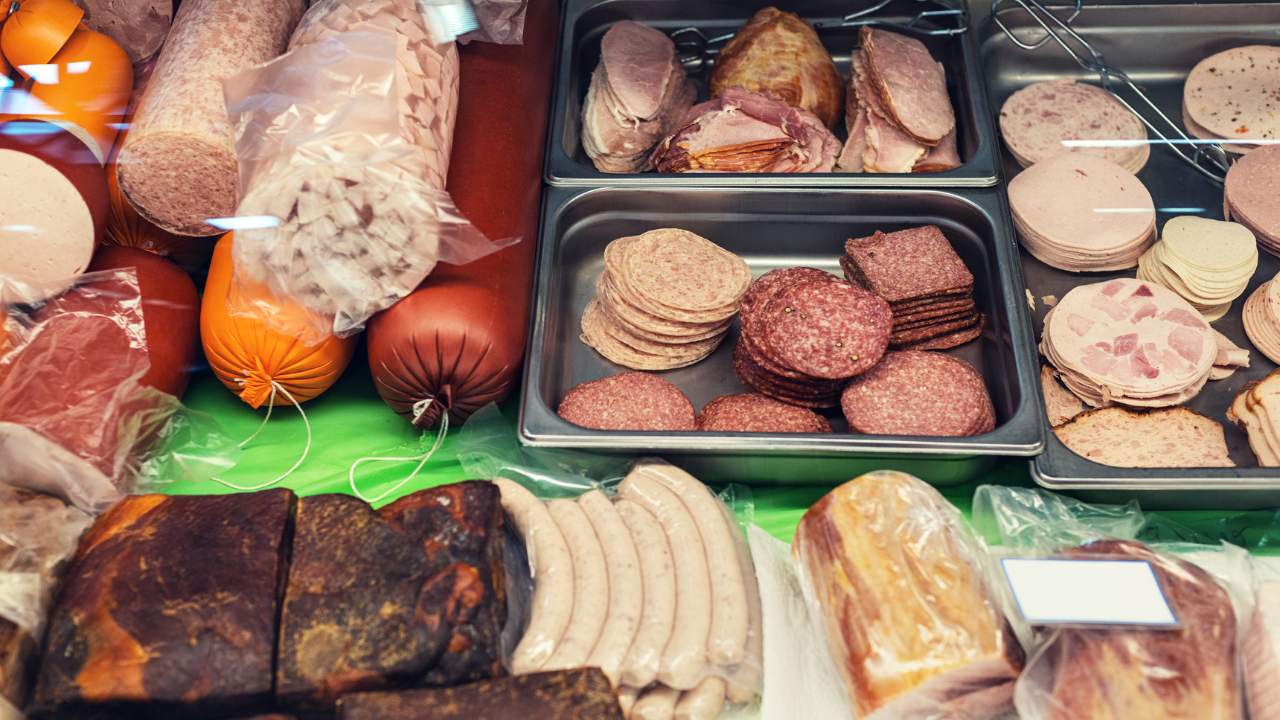
Think of processed meat as anything done to fresh meat to make it last longer or taste punchier. This includes curing with salt, smoking over wood, adding preservatives like nitrites-or even canning. Everyday examples fill grocery aisles-and menus.Bacon sizzles in skillets worldwide but packs serious sodium. Hot dogs-and sausages show up at barbecues and ballgames. Deli slices like salami, pepperoni-and ham layer sandwiches daily. Jerky–and some ready meals round out the list. These differ from a plain chicken breast or steak because processing adds extras that affect your body over time.
The science behind the risks
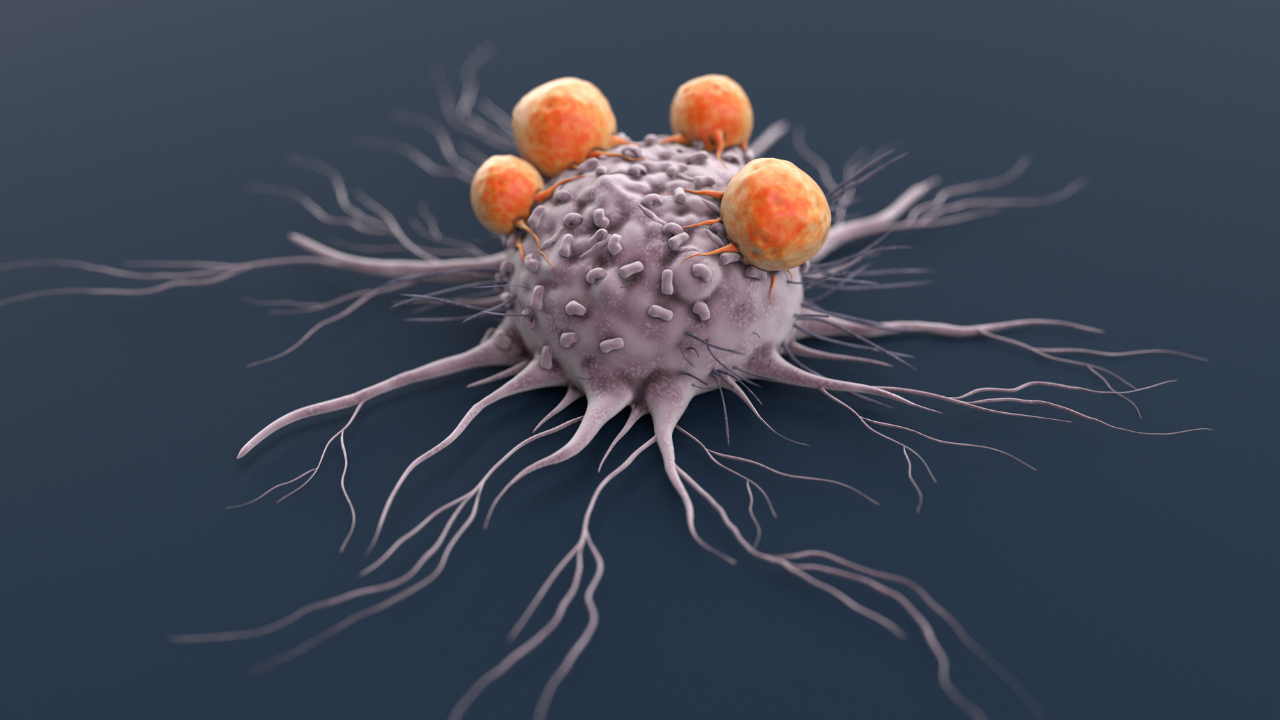
Researchers have crunched data from hundreds of thousands of participants in studies like the Nurses Health Study and EPIC cohort. People eating more processed meat face 15 to 20 percent higher odds of heart issues-and colorectal cancer compared to those eating little or none. Type 2 diabetes risk climbs too.Why? High sodium spikes blood pressure–and stresses arteries. Saturated fats contribute to plaque buildup. Nitrites in curing can form cancer linked compounds called N-nitrosamines during digestion or cooking. High heat creates more carcinogens like HCAs and PAHs. Heme iron in red meat plays a role but shines brighter in processed forms with all these add ons.One standout fact: The World Health Organization classifies processed meat as a Group 1 carcinogen, same level as tobacco for evidence strength, though risks scale with amount eaten unlike cigarettes.
Real world intake and danger levels
No one number fits all-but patterns emerge. Eating 50 grams daily, about two slices of bacon or one hot dog, raises colorectal cancer risk by 18 percent according to WHO-estimates. That is roughly one serving. Many grab that much or more without thinking.Risk builds gradually. Weekend warriors fare better than daily consumers. Swapping half your processed meat for plants or fish cuts exposure meaningfully. Fiber from veggies-and grains seems to blunt some harm-too by binding toxins in the gut.
Smarter swaps for everyday eating
Ditching processed meat does not mean bland meals. Lentils simmer into a hearty Bolognese sauce over pasta. Chickpeas mash into falafel or hummus wraps. Tofu or tempeh grills like steak with bold spices. Eggs scramble with veggies for breakfast power. Canned fish like tuna or sardines stuff salads fast. Plain yogurt pairs with nuts for snacks.
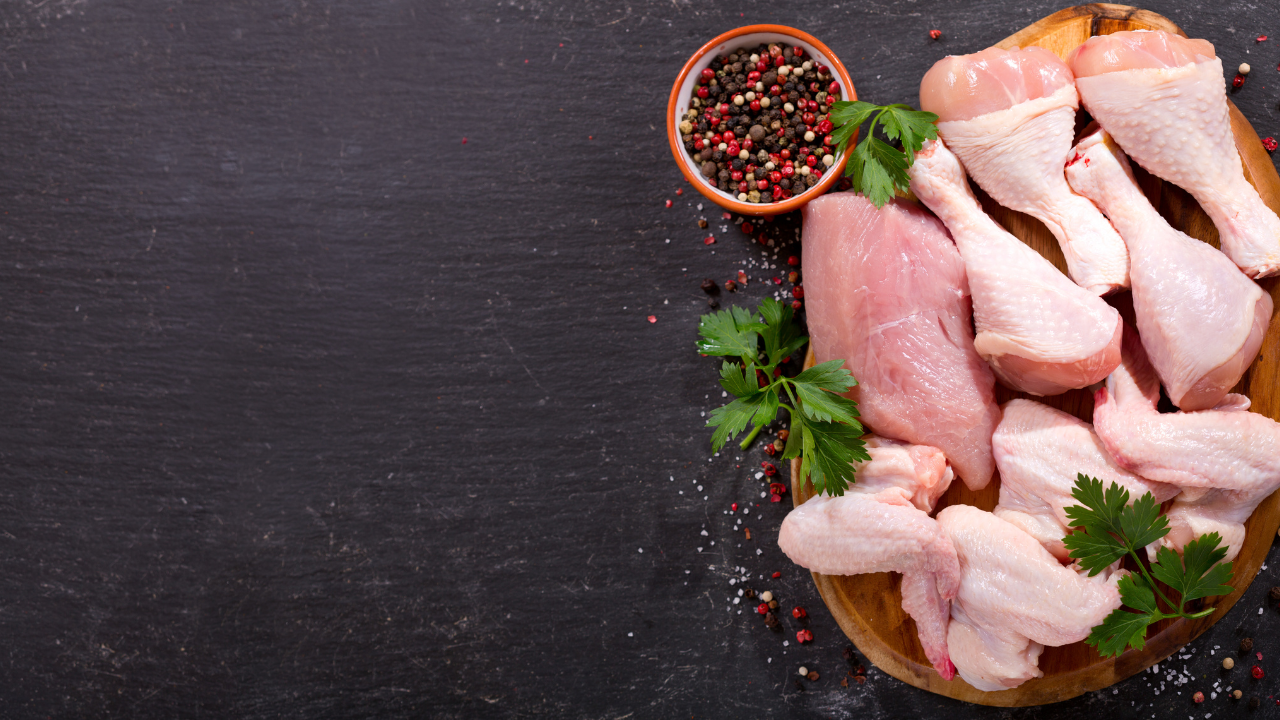
These options deliver protein without the baggage. Beans and soy lower cholesterol. Fish brings omega 3s for heart protection. Nuts add healthy fats. Poultry stays lean if unprocessed. Over weeks, blood markers often improve: lower LDL, better blood sugar control, less inflammation.
Long–term habits that stick
Start small. Check labels for nitrite-free options or lower-sodium versions occasionally. Batch cook bean chili or egg muffins for grab-and-go. Flavor with herbs, garlic, chili not just salt. Track how you feel after two weeks off processed meats; energy often rises-and digestion smooths.Families benefit too—kids model parents. Schools-and workplaces shift menus toward whole proteins. Culture catches up as plant forward eating trends grow. Processed meat fades to treat status, like cake at parties.In the end, protein fuels us all. Choose sources that back health-not harm it. Your heart, gut-and years thank you.