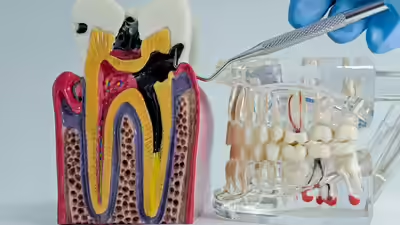
Sudden blindness striking days after a routine tooth pull feels like a nightmare no one sees coming. This real case, handled by vitreoretinal specialist Dr. Ashish Markan, involved a diabetic woman with unsteady blood sugars who lost vision in one eye three days post-extraction. Exams confirmed metastatic endophthalmitis, a ferocious infection where pus and bacteria overrun the eye’s inner chambers, threatening irreversible damage.
Understanding metastatic endophthalmitis

This condition hits like lightning inside the eye. Endophthalmitis means heavy inflammation filling the vitreous gel, the clear jelly filling most of the eyeball–and aqueous humor, the front fluid nourishing the cornea and lens. “Metastatic” points to bacteria traveling through blood from a distant source, here the mouth during dental work.Tooth extractions stir transient bacteremia, a normal blip where oral germs like streptococci or staphylococci slip into circulation. Most times, the body clears them in minutes. But when defenses falter, those bugs seed the eye, multiplying into pus pockets that cloud vision overnight. Early signs mimic pink eye, pain, redness, light sensitivity escalating to floaters then blackout as retinal cells starve.
Diabetes sets the vulnerable stage
Uncontrolled sugars amplify risks without faulting anyone.High glucose thickens blood, impairs white blood cells, and feeds bacteria. Diabetics often carry retinopathy scars, leaky vessels inviting invaders. Bacteremia from extractions, common in 20-50 percent of procedures, rarely spreads far, but compromised immunity changes that. Dr. Markan’s patient showed textbook pus in ocular fluids, confirming spread from dental site to eye via bloodstream.Symptoms exploded fast, vision dropping to hand motions, hypopyon pus layering at the bottom like sediment in a storm.
Spotting it demands sharp eyes–Dr. Markan noted sudden onset post-procedure, hazy media, severe vision loss. Slit-lamp exams reveal corneal edema, flare in front chamber, vitreous haze. B-scan ultrasound penetrates clouds to map pus pockets and retinal state.Blood cultures chase the bug source, vitreous taps grow culprits for targeted drugs. Differentiate from sterile inflammation or uveitis, as delays scar retinas permanently. In this case, clinical clues screamed infection, pus confirming metastatic path.
Surgical battle for recovery
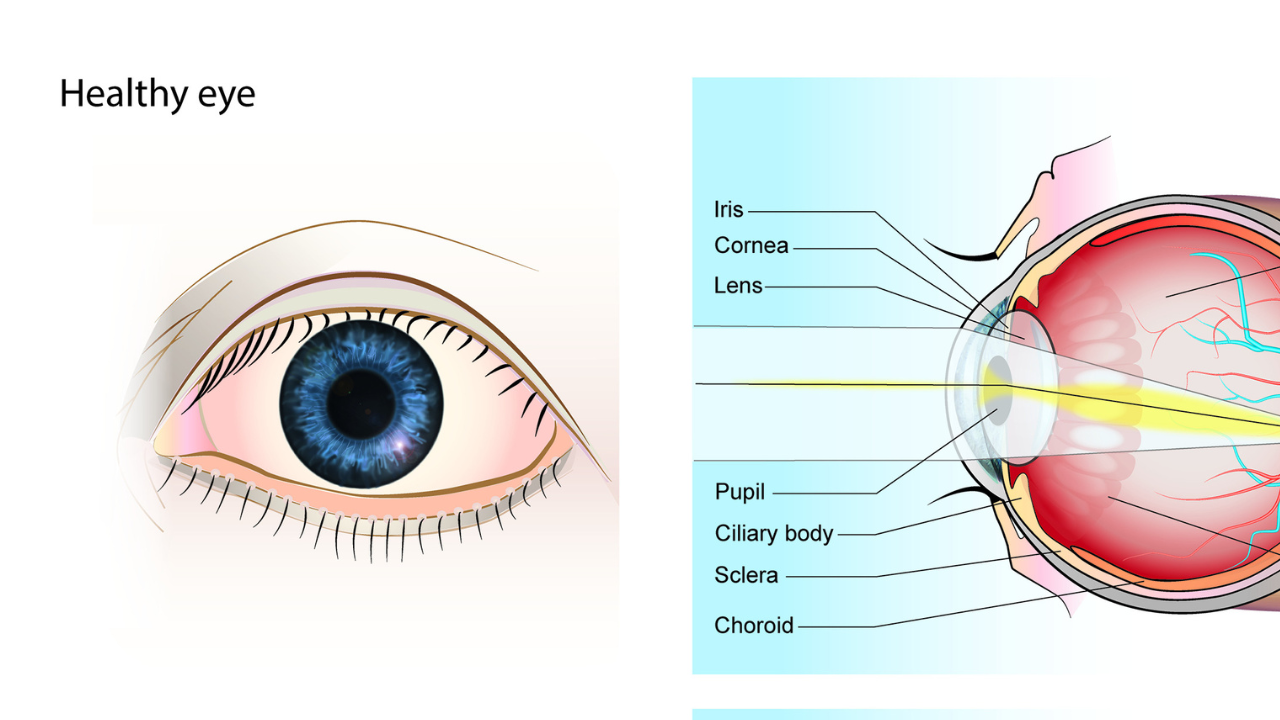
Urgency drove action. Dr. Markan moved to emergency vitrectomy, core treatment, sucking infected gel, washing eye clean, and injecting intravitreal vancomycin for gram-positives-and ceftazidime for gram-negatives. Systemic antibiotics covered body-wide spread. Partial vision returned, a testament to timing where full recovery odds hover 40-60 percent. Follow-ups watch scarring, pressure spikes, or detachment. Some need repeat taps, steroids tame swelling. Success stories like hers highlight early intervention flipping dire prognoses.
Why this condition demand respect
Endophthalmitis stays rare, striking 0.1 percent post-dental spread, yet devastates fast.Eyes lack robust blood supply to fight back, and pus walls off nutrients. Diabetics face 2-3 times higher odds, per case series. Prevention weaves simple threads: tight sugar control pre-procedure stabilizes defenses, good oral hygiene cuts bacterial load. Routine diabetic eye screens catch at-risk vessels. Awareness links mouth to eye health, transient bugs turning traitors only under right storm. Doctor’s handling turned potential tragedy around, underscoring how bodies connect unexpectedly. One patient’s partial sight regained spotlights a condition where seconds count, proving vigilance protects vision against stealthy foes.