Odisha is India’s most vulnerable state to climate change. In the state’s rising heat, people with spinal cord injuries face a quiet struggle rarely noticed by the public eye. They are unable to regulate body temperature or sweat normally, as the brain is unable to send these signals to their limbs. As a result, even a slight rise in heat can trigger rashes, pressure sores, infections, or worse.
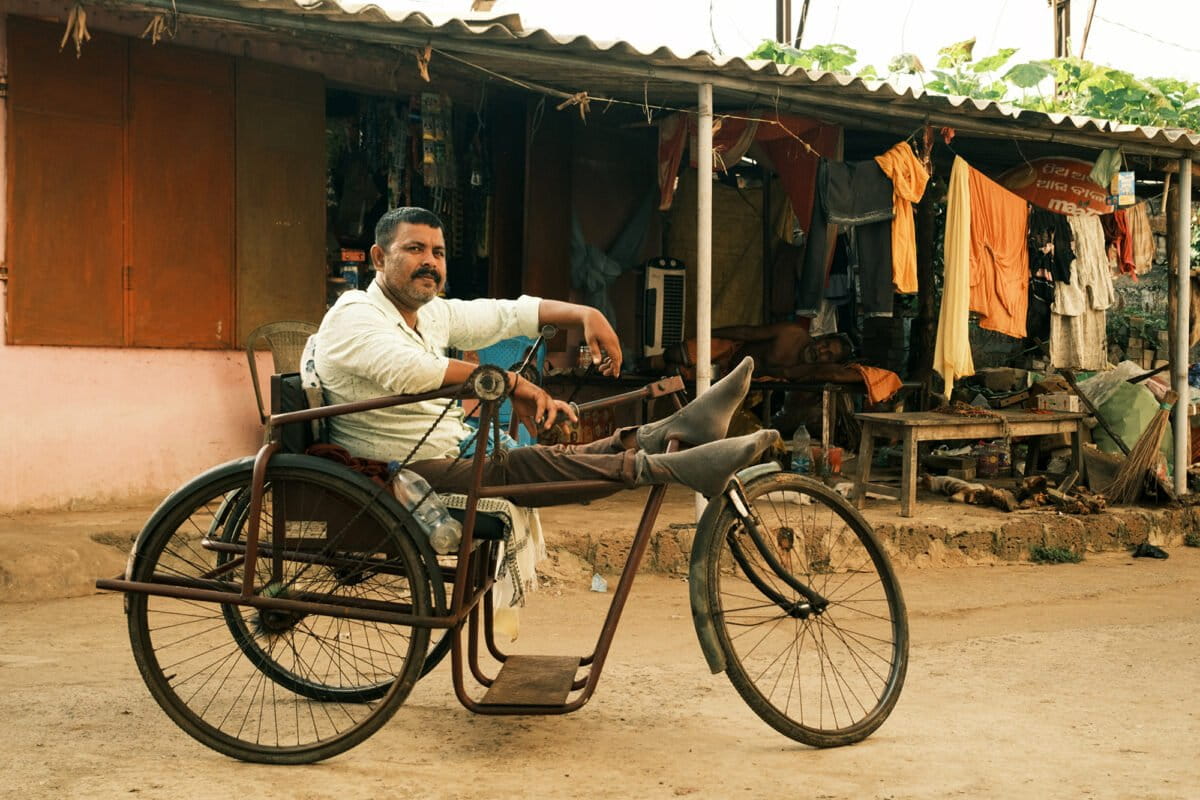
“I don’t sweat on my stomach and both the legs. Above my stomach, I sweat excessively, on my hands and face,” says Okele Sahu, who suffered a spinal cord fracture after falling from the roof of a building. “I feel numbness, pain (in the areas I don’t sweat) and get exhausted easily.”
How do the most vulnerable survive in a world that keeps getting hotter? Through the stories of Okele Sahu, who spends his days under a tree for relief, and Kamal, an athlete training against the odds, the film reveals how climate change magnifies disability. They explain how a temperature rise of one, two or five degrees Celsius can lead to a half-decade-long bedrest for a person with a spinal cord injury, a significantly more deadly impact than on those without disabilities. Rising heat means more bedsores, pressure ulcers and other issues.
Doctors, activists, and health workers explain the medical and systemic gaps — people with spinal cord injuries are often not sufficiently warned by doctors about the seriousness of the impacts of extreme heat on their bodies, or advised on ways to avoid temperature extremes. Meanwhile, policy gaps in climate adaptation for those with disabilities persist, while communities continue to improvise with wet towels, hand fans and shaded spaces.
This video was produced with the support of the ‘Video Reporting 2025’ — a joint initiative of Mongabay-India and All Living Things Environmental Film Festival.