Doctors often recommend anti-embolism knee-high socks in hospitals, recovery settings, or other conditions where patients spend long periods lying down or sitting with limited movement. When used correctly, these socks help maintain steady blood flow, reduce swelling, and lower the risk of serious complications such as deep vein thrombosis (DVT) and pulmonary embolism (PE). Below are the most common situations in which anti-embolism compression socks are recommended, along with the reasons they play an important role in recovery.
1. Post-Surgery Recovery
One of the most common reasons doctors prescribe anti-embolism compression socks is after surgery. Many surgical procedures require patients to remain in bed or limit their physical activity. When the body is inactive, the muscles in the legs do not contract enough to push blood through the veins efficiently. As a result, it can lead to pooling of blood in the lower extremities. This pooling increases the risk of blood clot formation in the deep veins of the legs, a condition known as deep vein thrombosis. If a clot breaks loose and travels to the lungs, it can cause a pulmonary embolism, which is a potentially life-threatening complication. Anti-embolism socks help reduce this risk by gently squeezing the legs and improving venous return.
2. Patients Who Are Bedridden or Unable to Move
Patients confined to bed for extended periods also face a higher risk of circulatory problems. This situation is common in individuals recovering from severe illness, injury, or long hospital stays. Anti-embolism compression socks are specifically designed for people who cannot move regularly. These socks are intended for individuals who spend most of their time lying down. The steady compression helps mimic the natural pumping action of the calf muscles, supporting blood flow through the veins. This helps maintain healthy circulation even when physical activity is reduced.
3. Prevention of Deep Vein Thrombosis (DVT)
Prevention of Deep Vein Thrombosis is one of the main purposes of anti-embolism socks. DVT occurs when a blood clot forms in the deep veins, usually in the legs. People who are recovering from surgery, hospitalized for long periods, or dealing with mobility limitations are especially prone to DVT. By applying controlled pressure to the legs, anti-embolism socks narrow the veins slightly and increase blood flow. Faster circulation makes it more difficult for blood clots to form. Improved circulation helps in preventing the formation of blood clots.
Research Note:
Research shows that wearing anti-embolism compression socks can significantly lower the risk of developing deep vein thrombosis (DVT). These socks are designed to improve blood circulation and reduce blood pooling in the legs, especially during periods of limited mobility.
4. Managing Swelling in the Legs
Swelling often occurs when fluid accumulates in body tissues due to poor circulation or prolonged inactivity. Anti-embolism compression socks help reduce swelling (edema) in the lower legs. When the veins in the legs struggle to return blood to the heart efficiently, pressure can build up in the blood vessels. This pressure can push fluid into surrounding tissues, leading to visible swelling and discomfort. The gentle compression from anti-embolism socks supports the veins and helps maintain consistent blood flow. This reduces fluid buildup and minimizes swelling in the feet, ankles, and calves.
5. High-Risk Individuals for Circulatory Problems
Some people are at high risk of developing circulatory complications. Older adults, people with high body weight, and patients who have a history of vein disorders may be more prone to blood clots. During periods of limited mobility, doctors prescribe knee-high anti-embolism compression socks to support healthy circulation in the lower legs. These socks apply gentle, graduated pressure that helps promote blood flow. They are also commonly recommended for patients with a history of conditions such as thrombosis, thrombophlebitis, or post-thrombotic syndrome. They can help manage symptoms and support venous circulation.
Seeking Reliable Support? Try SNUG360 Anti-Embolism Knee-High Socks
Anti-embolism socks support healthy circulation in the lower limbs and are best suited for low-mobility, bedridden & post-surgical patients. Their graduated compression design works with the body’s natural circulatory system by encouraging blood to move upward through the veins.
This improved circulation reduces the risk of serious complications and supports the body’s natural healing process, further aiding recovery after surgery or illness. The right use and size can help prevent serious blood clots, especially in people with limited mobility. If you are looking for quality anti-embolism compression socks, consider SNUG360.
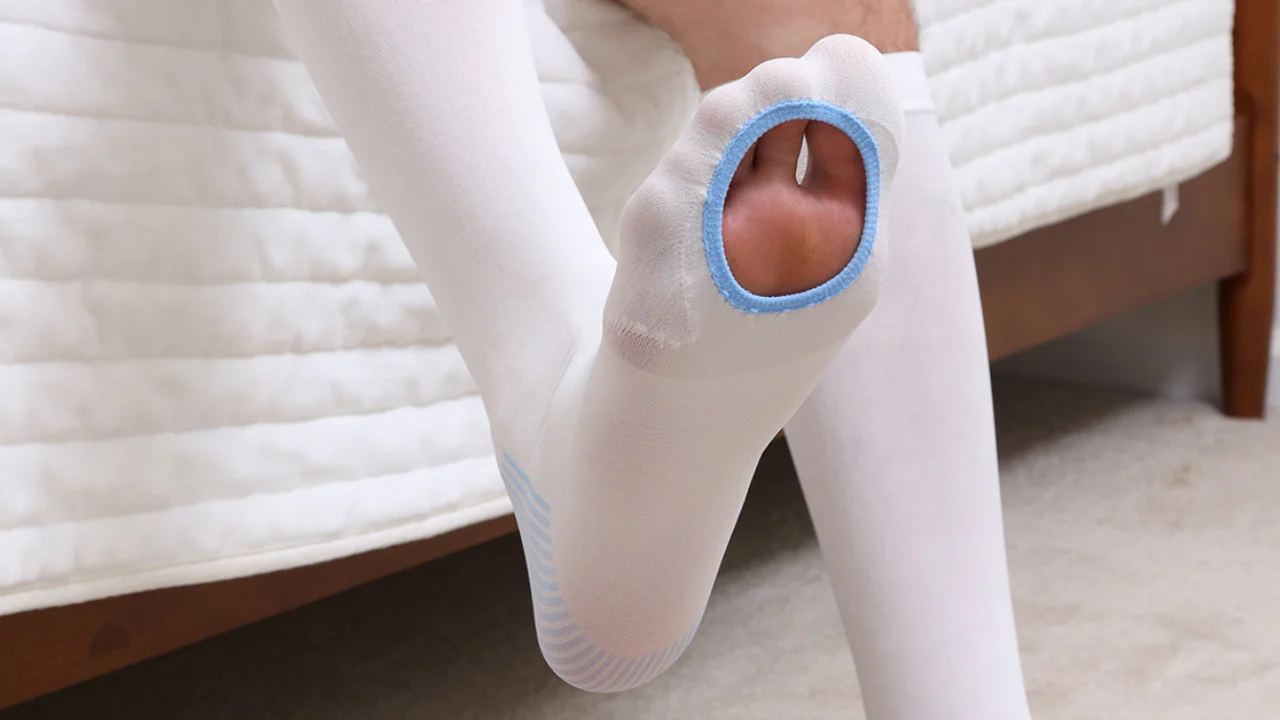
Our socks are designed to provide gentle compression that helps support healthy circulation. Available at 15-20 mmHg, it is ideal for patients who require additional support. With a quick hole for monitoring blood circulation under the toes, our superior anti-embolism compression socks are designed for comfort and recovery.