
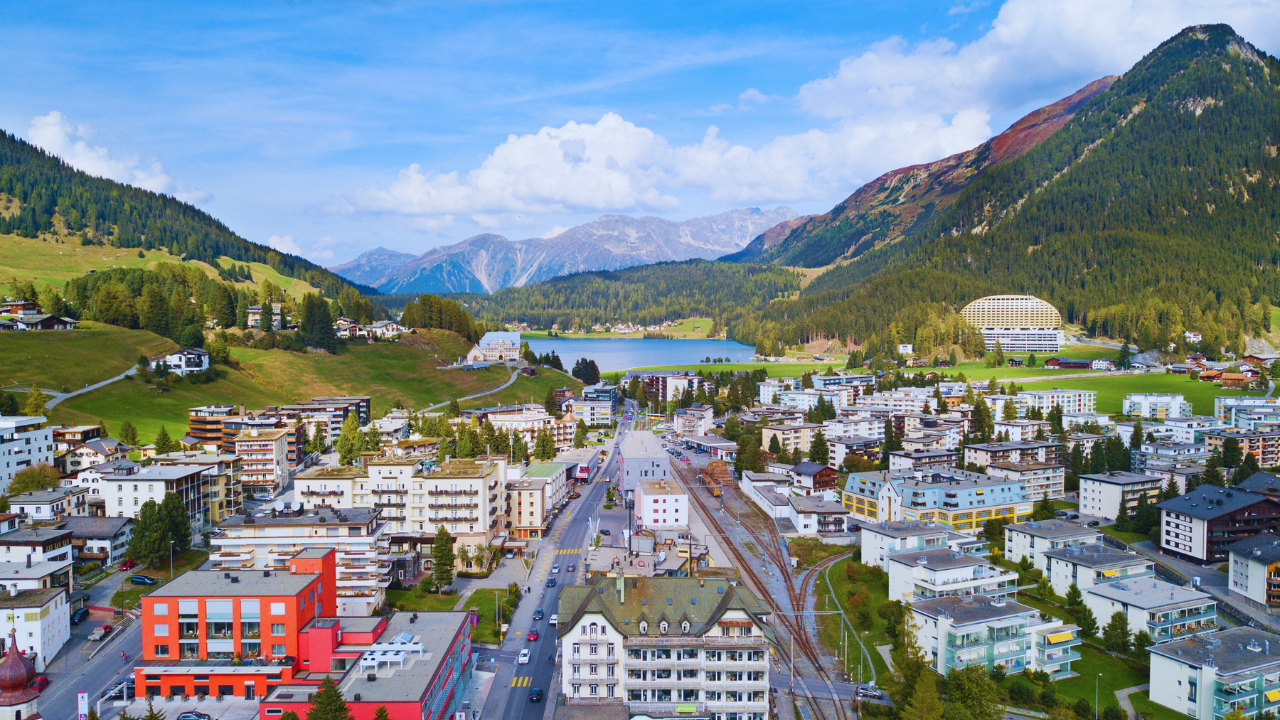
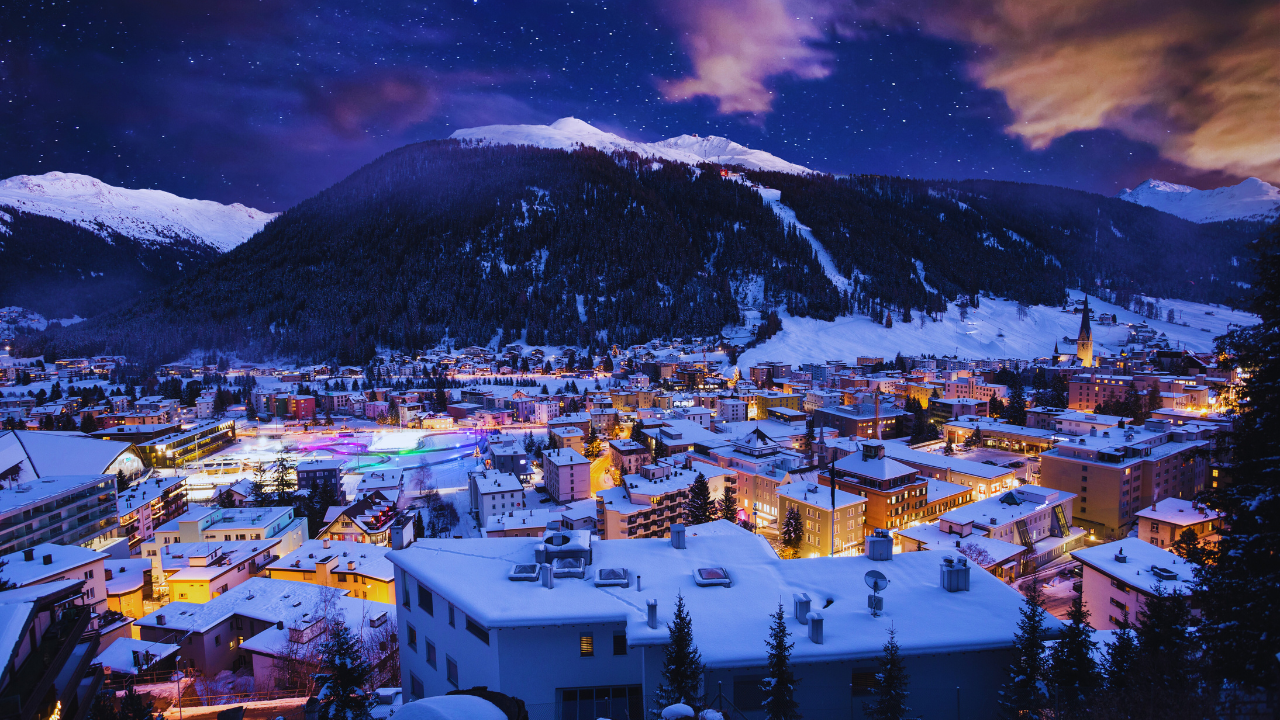
At first glance, Davos might seem like any classic Alpine escape. Snow-covered slopes, pine forests, crisp mountain air, and all the elements that usually define this Swiss resort town for most part of the year. Skiers come for long runs, hikers for high-altitude trails, and wellness seekers for the clean air, which once even made Davos famous as a health retreat. Then, every January, Davos changes. For all those following the news reports, it has been on the news for quite a few days. For a few days, this quiet mountain town becomes the most watched place on the planet as presidents, prime ministers, CEOs, tech founders, bankers and activists arrive for the annual meeting of the World Economic Forum. The question many travellers ask is simple: why here? The World Economic Forum (WEF) is one of the most influential global platforms that shape conversations on economics, politics, technology and society. Best known for its annual meeting in Davos, the forum has, over more than five decades, evolved from a modest management symposium into a symbol of global power, cooperation and criticism.
Origins of the World Economic Forum
The WEF was founded on January 24, 1971, by German engineer and academic Klaus Schwab, then a business professor at the University of Geneva. Originally called the European Management Forum, its early aim was narrow but ambitious: to introduce European companies to American-style management practices. The first meeting, held in 1971 at the Davos Congress Centre, brought together around 450 executives from Western European companies under the patronage of the European Commission and industrial associations. What began as a business-focused gathering soon expanded in scope, reflecting a rapidly changing global landscape. In 1987, the organisation was renamed the World Economic Forum, marking a deliberate shift from management theory to broader global engagement. Its stated mission, “improving the state of the world by engaging business, political, academic, and other leaders of society to shape global, regional, and industry agendas,” remains central to its identity.
Why Davos?
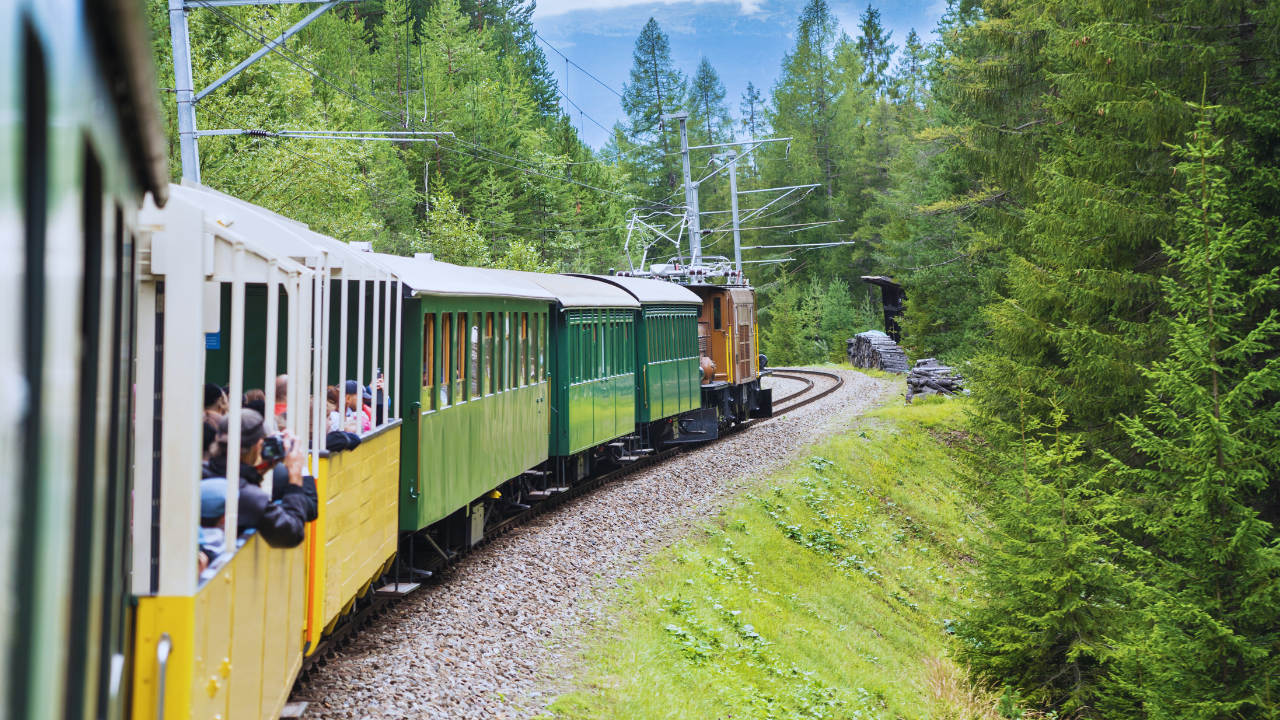
Every year, towards the end of January, the town hosts the WEF’s flagship event, which is a five-day meeting that attracts around 3,000 participants, including heads of state, CEOs, investors, economists, academics, journalists and cultural figures. The forum is largely funded by its roughly 1,000 multinational corporate members, whose annual fees help sustain the organisation’s activities. During the annual meeting, participants take part in over 500 sessions, ranging from formal panels to closed-door discussions.
From management to geopolitics
Global events in the 1970s quickly transformed the forum’s agenda. The collapse of the Bretton Woods monetary system and the Yom Kippur War in 1973 pushed discussions beyond management into economic and geopolitical territory. By 1974, political leaders were formally invited.In its early years, the Davos meeting retained a relaxed, almost playful atmosphere. Attendees skied during the day and socialised in the evenings.That tone would soon change. By the late 1980s and 1990s, Davos had become a stage for high-stakes diplomacy. The 1988 Davos Declaration helped ease tensions between Greece and Turkey. In 1992, South African president F. W. de Klerk met Nelson Mandela and Mangosuthu Buthelezi at Davos, their first joint appearance outside South Africa. Two years later, Israeli and Palestinian leaders held breakthrough talks during the forum.The forum also played a role in post-Soviet politics. The so-called “Davos Pact” of 1996 saw global elites rally behind Boris Yeltsin during Russia’s turbulent transition period.
Davos in a changing world
Global crises have frequently been reflected in the forum. In an act of solidarity following the September 11, 2001 attacks, the WEF relocated its annual meeting to New York City. Davos was utilised by US Secretary of State Colin Powell in 2003 to garner support for the US-led attack on Iraq.Internal debate is also seen. With openness being closely watched by organizations such as openness international, the CEO José María Figueres resigned in 2004 over unreported payments related to his consulting.More recently, Davos has been a platform for defining moments in global politics. In 2017, China’s president Xi Jinping delivered a high-profile defence of globalisation amid Brexit and rising protectionism. In 2018, Indian prime minister Narendra Modi became the first Indian leader to deliver the opening plenary keynote, identifying climate change, terrorism and protectionism as shared global challenges.
Pandemic disruption and recent shifts
The COVID-19 pandemic forced unprecedented changes. The 2021 meeting was cancelled, and the 2022 forum was postponed to May due to the Omicron variant. That year’s agenda was dominated by the Russian invasion of Ukraine, inflation and energy insecurity. Ukrainian president Volodymyr Zelenskyy addressed the forum, while Russia was excluded for the first time since 1991. The 2023 annual meeting, held under the theme “Cooperation in a Fragmented World”, reflected growing geopolitical divisions and economic uncertainty. Klaus Schwab announced in April 2025 that he was resigning as chair and trustee of WEF at 88 years old, ending a rule lasting more than five decades. Recent revelations of financial misappropriation and a poor work culture by WEF staff forced a renewed examination of WEF in recent months. Despite independent investigations revealing no evidence of wrong practices, WEF announced a review of its practices. Until a new president was found, interim leaders Larry Fink and André Hoffmann were brought on board. This year too saw major developments and discussions on topics ranging from AI, energy, defence, and more.
Power, influence, and criticism
Alongside its influence, the WEF has long attracted criticism. Detractors accuse it of amplifying elite interests, promoting corporate dominance, lacking transparency, and contributing to environmental harm, especially given the carbon footprint of thousands of private flights to Davos. Supporters argue that the forum’s value lies not in formal decisions, but in dialogue that would otherwise not occur.