
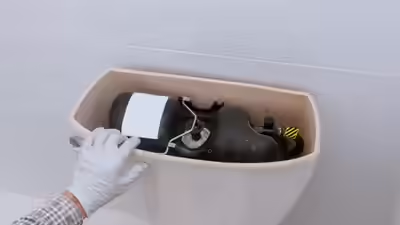
Cleaning the toilet bowl is a very common activity we engage in as part of our everyday cleaning routines. Still, the toilet tank, which lies hidden behind the commode, rarely gets any attention at all. This can result in a buildup of minerals, mould, rust, and bacterial accumulation in the tank, causing the toilet to be very inefficient and, in some cases, causing odour buildup or stain formation as well. A clean tank will not only improve the functionality of the toilet as a whole, but it will also increase the longevity of internal components and ensure that the bowl doesn’t clog or stain either. The best part? Cleaning a toilet tank couldn’t be simpler, and all you need is a handful of simple tools and instructions that are as simple as ABC to understand.
Why you should clean the toilet tank
Typically, most individuals clean what they can see, including the bowl and the toilet seat. However, actions taking place in the tank ultimately affect the entire system. Minerals from hard water can build up in the tank, accelerating the deterioration of parts. Also, mould and bacteria thrive in moist, hidden areas, and when the buildup gets significant enough, it can enter the bowl each time it is flushed. While often overlooked, cleaning it can remove mineral deposits, enhance flushing action, and help control odour.
What you’ll need before you start
Before you open the tank, gather a few basic items:
- Rubber gloves
- A small scrub brush or an old toothbrush
- White vinegar (natural and effective)
- Baking soda (optional for stubborn buildup)
- Clean water and rags or paper towels
- A bucket or cup for rinsing
You won’t need bleach or harsh chemicals. Vinegar and gentle scrubbing are enough for most tanks and are comparatively safer for plumbing parts.
Clean your toilet tank
Here’s a simple, effective way to get this cleaning job done:
- Turn off the water supply
Locate the small valve behind the toilet and turn it clockwise to shut off the water. Then flush the toilet to drain most of the water from the tank.
- Apply vinegar to the tank walls
Pour about 2–3 cups of white vinegar into the tank. Vinegar is acidic enough to break down mineral deposits and mild buildup without damaging plastic or rubber parts.Allow the vinegar to soak for at least 30 minutes. For heavier buildup, you can leave it longer or add a sprinkle of baking soda to create gentle foam action.Using your brush, scrub the sides, bottom, and all visible parts inside the tank, paying attention to areas with discolouration or residue.Turn the water supply back on and let fresh water fill the tank. Flush a few times to rinse away loosened debris.
- Wipe down remaining residue
Use a damp cloth or paper towel to wipe off any last bits of buildup on parts or walls.
How often should you clean your toilet tank?
For an average family, cleaning the toilet tank every three to six months should be adequate to maintain it in good working order. For those living in areas where hard water is prevalent, those observing high mineral deposits, or those using the toilet extensively, every two to three months would be the better choice. It also helps to mix a cup of white vinegar in the toilet tank every month to reduce the deposits. As a result, the toilet parts remain in good condition, and pungent odour buildup is prevented.
Tips that make the job easier
- Use vinegar regularly: Vinegar can be used regularly by adding it to the tank now and then.
- Avoid bleach tablets: Bleach tablets used for cleaning the inside of the bowl may corrode tank interior parts.
- Check moving parts: Check the moving parts, like the flapper or fill valve, when you are inside the tank.