
Delhi for sure is famous for its Mughal monuments, teeming markets, and rich history. But summing up Delhi just like this won’t be fair. Did you know that one can also get a dose of various parts of the country right here in Delhi? Likewise, the capital also offers South India’s spirit in a vibrant way. Come back to read more on this, wherein we will explore the influence of other parts of the country that you can see and feel here in Delhi. As we are sticking to the South Indian influence here, you will find towering gopurams, ancient rituals and serene sanctums, which are more than places of worship, and serve as cultural bridges, architectural treasures and living testimonies to South Indian heritage in the North.
Uttara Swami Malai Temple, R.K. Puram
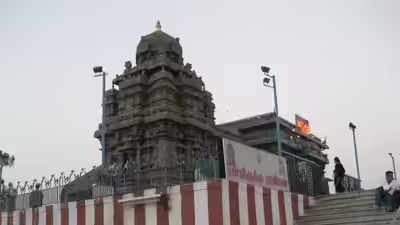
Undisputedly, one of Delhi’s beautiful South Indian temples is the Uttara Swami Malai Temple, also known as “Malai Mandir.” Located atop a small hillock in R.K. Puram, it was constructed completely of grey granite in the typical Dravidian style and turtle back shape with pyramid shaped towers. The temple is a storehouse of art treasures. Covered are Prakarams or corridors all around this great temple. The principal shrine is of Lord Murugan (Swaminatha) with shrines of Vinayagar, Sundareswarar and Meenakshi to his left.Read more: Guess the country: Its flag features a white dragon
Sri Vaikuntanathji Mandir, Ber Sarai
Its carved pillars, traditional poojas and rows of oil lamps offer a taste of Tamil devotional life in Delhi. Its construction can be more basic than that of its bigger brothers, but the place is a serene and beloved spiritual space for many.
Devi Kamakshi Mandir, Qutab Institutional Area
Dedicated to Goddess Kamakshi, a form of Parvati who is widely worshipped across Tamil Nadu, this temple promises calmer energy and the beautifully sculptured gopuram. Small though it may be, its stone pillars and elaborate design provide a tranquil space for devotees to pray and reflect, preserving centuries-old South Indian traditions in the middle of the capital.
Sree Ayyappa Temple, R.K. Puram

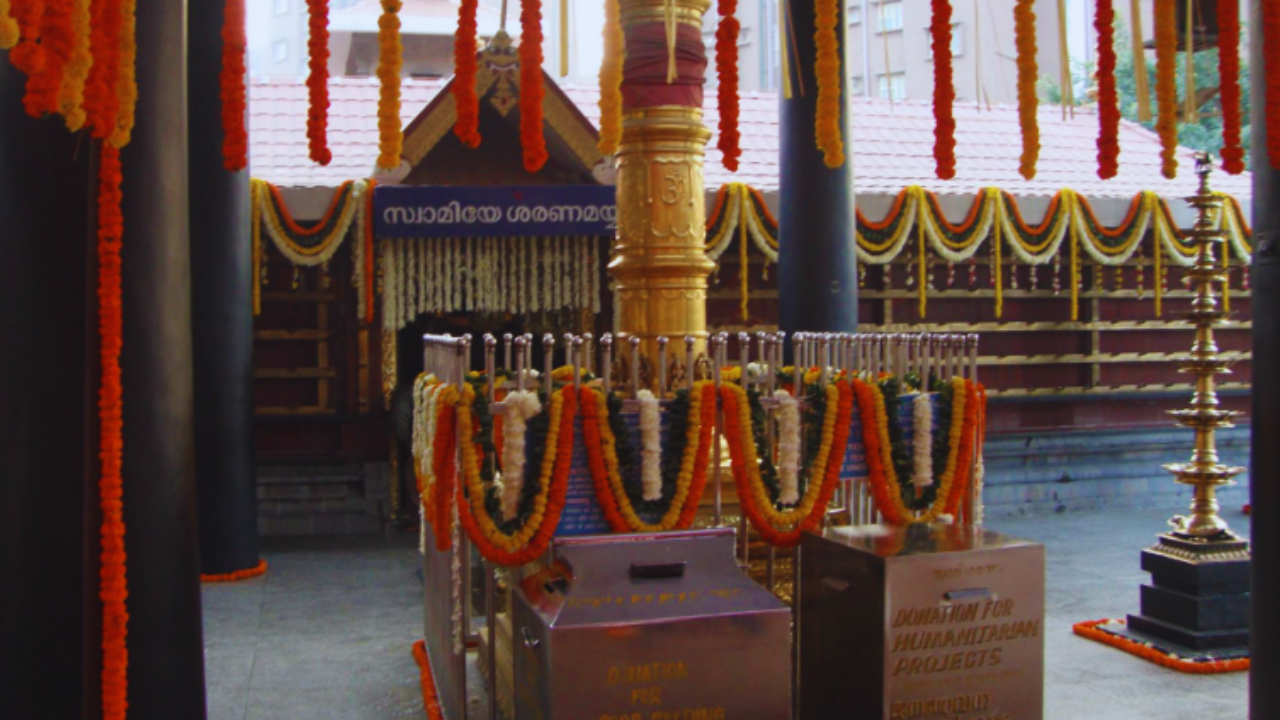
Sree Ayyappa Temple adheres to the temple design of Kerala, which follows the curvy roof and not necessarily the Dravidian gopurams. Lord Ayyappa is seen seated here, in a meditative posture and during Mandalam season, the temple becomes vibrant with intense devotion and merrymaking.
Uttara Guruvayurappan Temple, Mayur Vihar
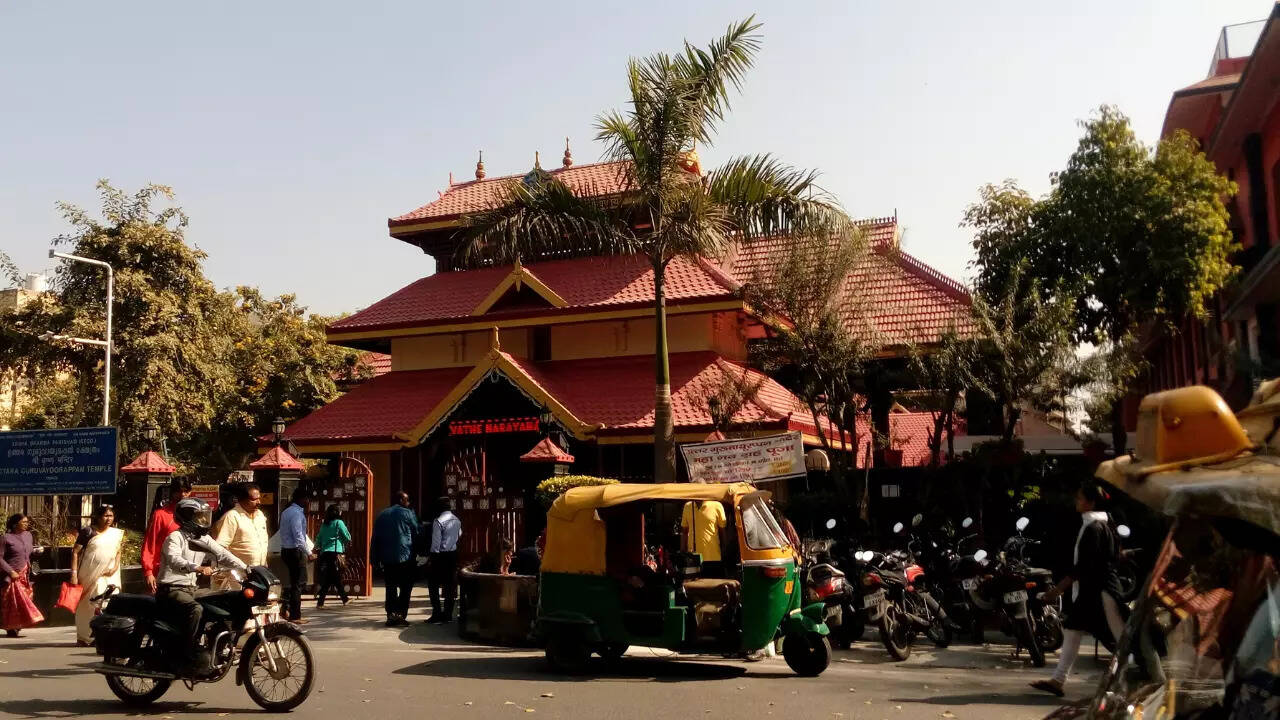
The Uttara Guruvayurappan Temple, which is designed in the mould of Kerala’s well-known Guruvayur temple, is dedicated to Guruvayurappan, a variation of Lord Krishna. In classic Kerala style, with sloping roofs and wooden gates, there are also shrines to Ganapati, Shiva, Ayyappa and a tiny Sarpa Kavu (snake grove), reflecting the multiple layers of spiritual traditions represented in temple architecture in Kerala.
Sri Venkateswara Temple, President’s Estate
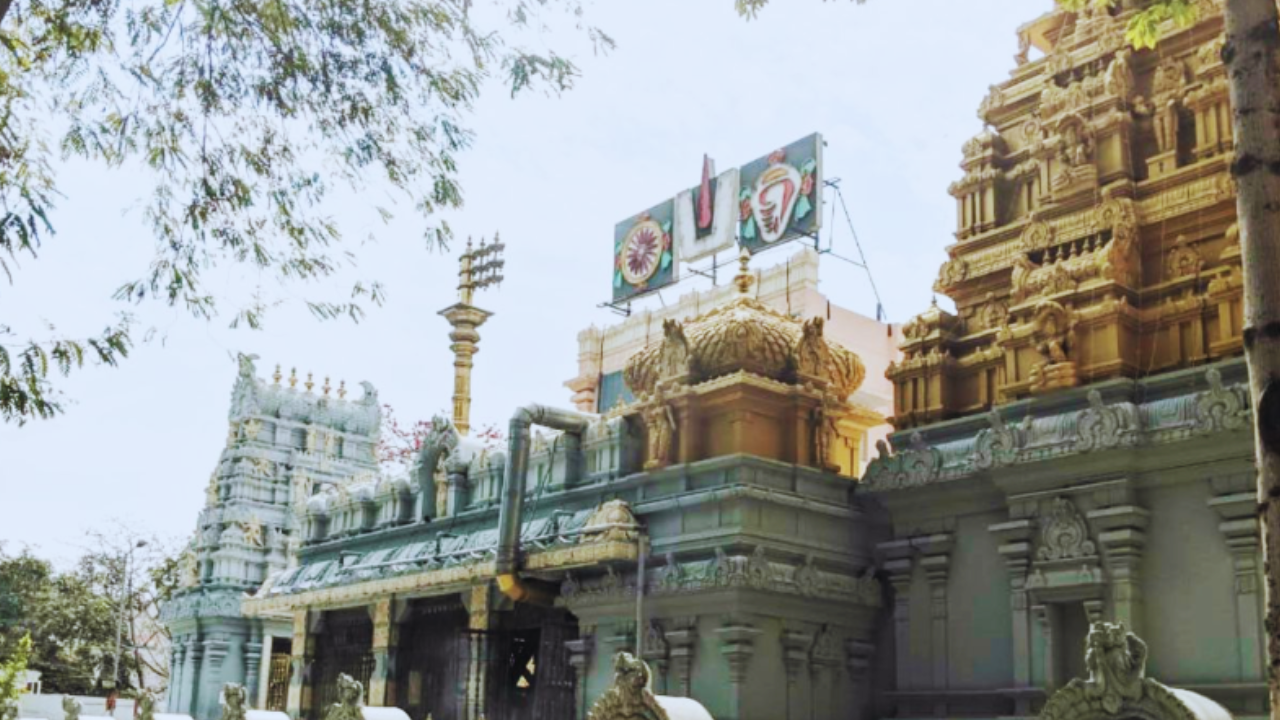
The temple is devoted to Lord Venkateswara (Balaji), the deity in Vaishnava tradition, and is based on Tirupati’s Temple of Sri Venkateswara at Tirupati in Tamil Nadu. The tall gopuram, sculpted pillars and black granite idol of the presiding deity, flanked by Sridevi and Bhudevi, are a feast for the eyes and identified with the Tirumala ritual blessings. Festivities and poojas held here follow South Indian Vaishnav practices, enhancing cultural uniformity among the number of households hailing from far-off southern India.Read more: This European destination is the world’s ‘Most Liveable City for 2026’
Sree Vinayaka Mandir, Sarojini Nagar
Dedicated to the Lord Vinayaka (Ganesha), this is another temple featuring stone carvings. On top of its primary shrine, you’ll see smaller sanctums for Hanuman, Shiva and the Navagrahas, making it something of a complete spiritual space. Modest in scale by comparison to the grander temples, its South Indian ritual style transcends people from diverse linguistic and cultural roots.
Sri DeviKarumari Amman Dharma Sanstha, Vishnu Garden
Distinguishing features include its brightly painted gopuram and golden viman, which is dedicated to goddess Karumariamman, a favourite deity in Tamil Nadu. With its traditional poojas (especially on Tuesdays and Fridays), temple tank, and smaller shrines scattered around the main space, it serves as a reminder of how strongly South Indian temple culture survives in West Delhi.