
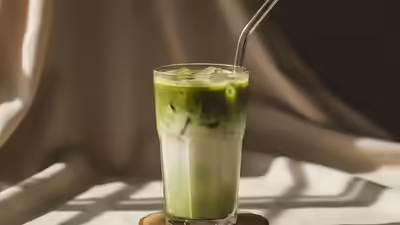
Blue matcha and green matcha appear almost the same to each other when considered from a distance because they look quite similar. But the truth is something else because blue matcha and green matcha are two very different things. The reason is that blue matcha gets extracted from the colored petals of the Butterfly Pea Flowerplant called Clitoria ternatea. On the contrary, green matcha gets prepared from the finely ground leaves of the tea plant. Blue matcha is well-known because of its blue colour, lack of caffeine, and various properties. On the contrary, green matcha is well-known because of its strong flavour, tea culture, and energising effects.
Blue matcha vs Green matcha: Origins and plant sources
Blue matcha is processed from the butterfly flower of the legume family found in Southeast Asia. Butterfly flowers can be used as natural dyes and herbs in the preparation of tea. Blue pigments from blue matcha contain anthocyanin pigments called ternatin pigments that are stable in water and can be modified with the added use of an acidic compound, such as lemon juice. Green matcha is processed from tea leaves cultivated in the shade. Tea leaves must be cultivated in the shade to increase the levels of chlorophyll and amino acids in the leaves, giving them the distinctive bright color and attributes of green matcha. Green matcha is important in Japanese tea ceremonies.
Colour, solubility, and caffeine: Blue and Green matcha
Blue matcha is famous for the distinct blue colour that it has, but the colour can change to purple if the blue matcha is mixed with an acidic liquid. Blue matcha completely dissolves in water. Green matcha is known to be quite green in colour and suspends in water rather than dissolving in it. Blue matcha has a colour-changing property that makes it quite popular in the current food trends. However, the colour of green matcha is quite stable and distinctive.Blue matcha does not have caffeine, which is quite beneficial for people who are sensitive to it. Green matcha, on the other hand, has caffeine, meaning it has an activating property. Green matcha has an intense flavor compared to blue matcha, and these two properties make it quite popular in the preparation of traditional tea. These two properties, thereby, make an important decision point in deciding which matcha, either blue or green, is required for health or culinary purposes.
Health benefits and culinary uses of blue and green matcha
For blue matcha, the most significant biologically active components are still anthocyanins, such as ternatin, which are known for their antioxidant effects. In green matcha, the most significant percentage of the bioactively effective components is catechins, such as EGCG, which are known for their effects in maintaining cardiovascular and metabolic functions, as well as preventing cancer. In this case, it can be noticed that the mechanisms and active components are ratherdifferent in the two types of matcha.Blue matcha is well-known for its application in adding color to drinks and has been utilized for this purpose in beverages, smoothies, lattes, cocktail drinks, and desserts. Blue matcha has a mild taste and can be blended with other flavors. Green matcha is consumed in the form of tea or smoothies or in food items that include cakes and smoothies due to the strong taste and caffeine properties. The popularity of green matcha can be attributed to its application in traditional and ceremonial events, whereas the popularity of blue matcha can be attributed to the new trends in food and the natural coloring of food.