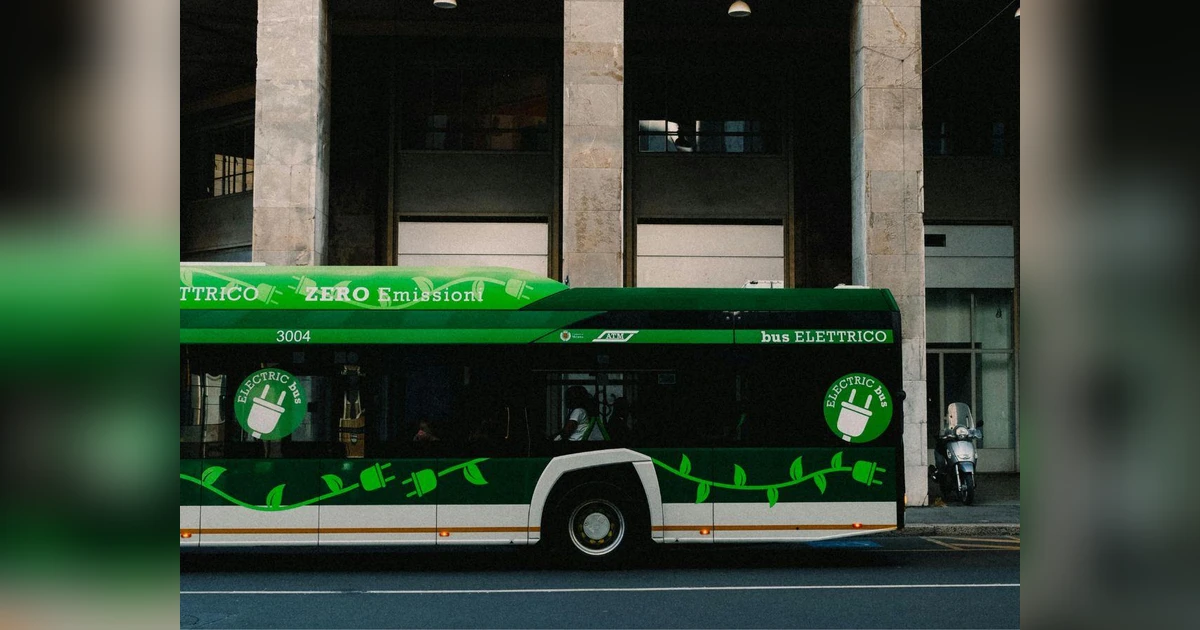
Convergence Energy Services Ltd (CESL), an arm of state-owned Energy Efficiency Services Ltd (EESL), is planning to launch two new mega tenders for deploying 6,000 electric buses next week, as part of a larger drive towards rapid pan-India penetration of electric mobility under the PM E-DRIVE scheme.
The capital cost involved in manufacturing and deployment of these electric buses — in two separate tenders to roll out 2,500 and 3,500 buses each — is estimated at between Rs 9,000 crore and Rs 10,000 crore.
“We are working to launch two more electric bus tenders in the first week of January 2026. One of them will be for the Ministry of Housing and Urban Affairs (MoHUA) and the other one for covering big cities including Mumbai and Pune. These two more tenders have been lined up immediately,” a senior CESL executive, who did not wish to be identified, told Business Standard.
What are the two new CESL tenders expected to cover?
The company has just concluded a large mega tender for 10,900 electric buses that was launched in June this year, in what the executive said was a great achievement for a tender of this volume, covering multiple road transport corporations and varying specifications, with original equipment manufacturers asking for due diligence on payment security.
“Overcoming all these hurdles, CESL managed to get very competitive bids. For this large tender for 10,900 buses, the financial bids have been opened. In some cases of large buses, the L2 (second-lowest) bidder has the opportunity to match L1 (lowest bid),” he said. The winning bidders will be announced soon.
What is the status of CESL’s 10,900 electric bus mega tender?
CESL is the nominated agency for the aggregation and procurement of electric buses. It had last month opened the bids for the mega bus tender covering multiple cities and Union territories, including Hyderabad, Surat, Ahmedabad, Delhi, and Bengaluru. Once operational, these buses are expected to help reduce carbon emissions, lower noise pollution, and improve air quality across major urban centres.
“So far, we have done tendering for more than 30,000 buses in total. So, now our process has been pretty standardised and OEMs have confidence in CESL. We have standard templates of 7 metre, 9 metre and 13 metre buses. And this has helped in significantly reducing the cost,” the CESL executive said.
How does CESL’s procurement model work for electric buses?
Under this model, the company does not buy the buses outright, acting only as an aggregator helping in price discovery. The cost of the buses is borne by the original equipment manufacturers and the investors who receive upfront subsidy, and the bus operators are paid on a per-kilometre basis by the state transport corporations.
Meanwhile, CESL is also ramping up focus on boosting electric vehicle charging infrastructure and working on leasing electric four-wheelers to government and private sector companies, to drive the next phase of growth.