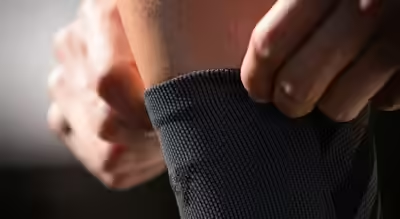
Most people have pulled off their socks in the evening and seen little lines around their ankles. Sometimes they fade before you even walk to the bathroom, sometimes you notice them again an hour later. Usually, these marks are just the elastic pressing into soft skin during the day, especially if you have been sitting still for ages or walking more than usual, but sometimes the marks look deeper and stay longer than you expect. The body holds on to fluid for many reasons and the lower legs are where it tends to collect first, so those sock marks can become a tiny clue to how much swelling is happening underneath.People who stand for hours at work often notice their lower legs feel heavier by the end of the day, and science has looked at why. A peer-reviewed study in PubMed followed people who stayed on their feet without much walking and found that the legs slowly filled with fluid as the hours passed. The researchers measured the size of the lower legs before and after long standing periods, and the difference was clear: swollen calves and more fluid sitting in the soft tissues. It showed that just being upright for too long, without moving around, can make the lower legs puff up and hold onto fluid. Because of that swelling, the marks from the sock elastic can look deeper and last longer than usual. The marks themselves do not say anything definite, but if they come along with that heavy, tight feeling in the skin, it could mean your legs are holding on to more fluid than they should.
Why are the sock marks on your legs considered normal
A lot of the time, sock marks simply mean the elastic was firm, and your skin was soft that day. Heat, long car rides, standing in queues or sitting at a desk without moving all encourage fluid to settle around the ankles. When that happens, the elastic presses into slightly puffier tissues and leaves a temporary line. If the marks vanish quickly and your legs feel the same as usual once you have walked around, stretched or rested, there is usually nothing to worry about.Some people are more prone to marks because their socks are tighter than they realise. Sometimes it is just a size issue. Sometimes the socks are older and the band grips harder than it used to. If marks disappear fast and there is no pain or tightness, it is likely just an everyday reaction to pressure and gravity.
How fluid retention makes sock marks more obvious
Fluid can pool in the lower legs for surprisingly simple reasons. Hot weather, staying still, high salt meals, long flights, pregnancy, certain medications or just being on your feet all day can lead to puffiness around the ankles. When extra fluid collects, the indent from the sock band becomes clearer and lasts longer. If you press your thumb into the area and the dent lingers for a few seconds, it hints at fluid retention rather than just soft skin reacting to elastic.Many people only notice swelling when they finally sit down at night and take off their shoes. The marks might seem deeper after busy days, but once the legs are elevated or you walk around the house for a while, the swelling reduces and the lines fade. That pattern is normal.
When should the sock marks on your legs make you cautious
If the marks stay for hours instead of minutes, or if your lower legs feel heavy, shiny or stretched, it might be more than everyday swelling. Persistent marks that worsen over days instead of going away can signal circulation problems. In conditions like chronic venous insufficiency, blood has a harder time moving back upward, so fluid lingers in the lower legs and leaves deeper impressions.Other issues connected with long-lasting swelling include kidney, liver or heart problems, which all change how your body manages fluids. If you wake up with swollen legs instead of swelling building during the day, or if the skin becomes sore, warm or changes colour, it is worth speaking to a doctor. If pressing the area leaves a small pit that takes time to bounce back, that is another sign to take seriously.
How to reduce sock marks at home
Several simple habits help reduce sock impressions. Moving around every hour, even briefly, keeps fluid flowing rather than sitting still. Elevating your legs while resting takes some pressure off the lower limbs. Choosing socks with softer tops or switching to looser styles makes a difference too. Reducing salty foods and drinking enough water helps some people manage puffiness. If chores or long shifts keep you on your feet, stretching the ankles and calves during breaks helps circulation.None of these steps fix serious medical issues, but they can ease the normal patterns of swelling that leave those tell-tale marks on your skin.Sock marks usually appear because elastic meets soft tissue at the end of a long day and disappear once the pressure stops. If the impressions fade without effort and your legs feel comfortable, they are likely harmless. When the marks stay deep and stubborn or come with swelling, aching or tight shiny skin, it is sensible to pay more attention. Your legs often give early hints before anything else, and noticing what changes over time helps you decide whether it is just a long day or something that deserves proper medical advice.Disclaimer: This content is intended purely for informational use and is not a substitute for professional medical, nutritional or scientific advice. Always seek support from certified professionals for personalised recommendations.Also read| THIS one habit can give you an eye infection or make you blind