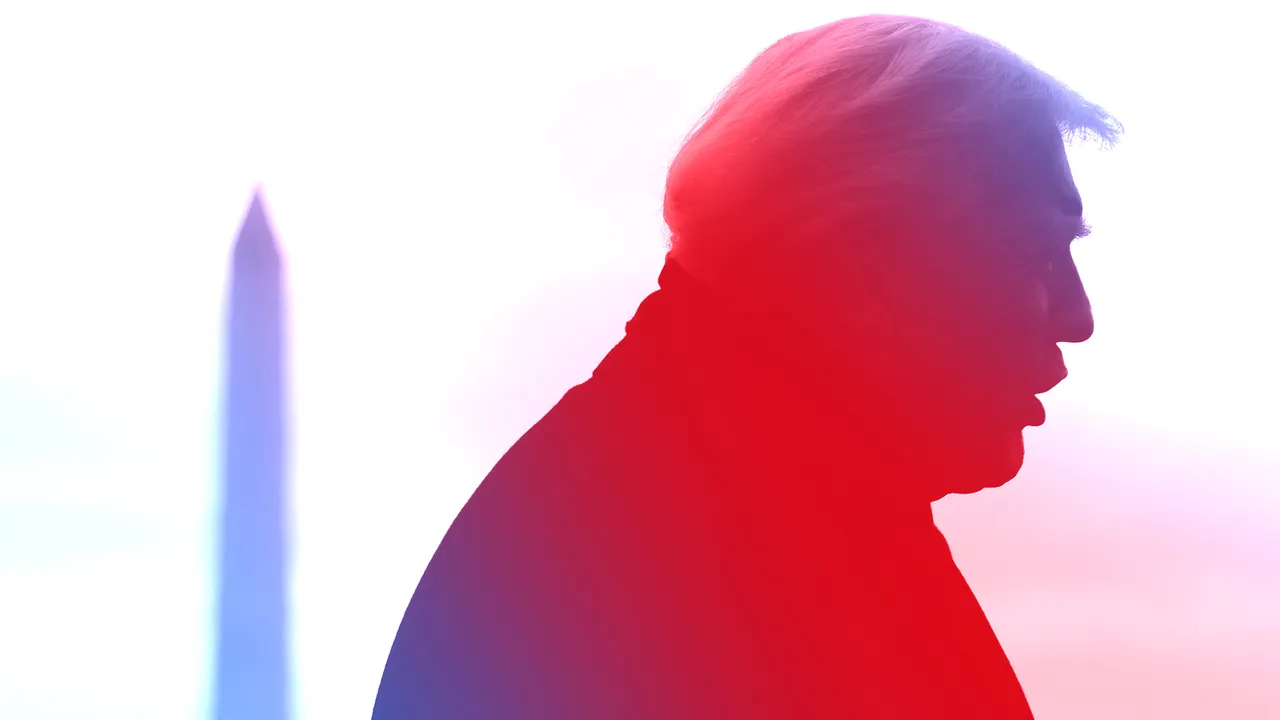
No matter how low one’s expectations were for 2025, the most striking thing about the year when Donald Trump became President again is how much worse it turned out to be.
Did we anticipate that Trump would come back to office wanting to rule as a king, consumed by revenge and retribution, and encouraged by sycophants and yes-men who would insure that he faced few of the constraints that hampered him in his first term? Yes, but now we know that bracing for the worst did not make the inevitable any less painful. In the future, historians will struggle to describe that feeling, particular to this Trump era, of being prepared for the bad, crazy, and disruptive things that he would do, and yet also totally, utterly shocked by them.
New Yorker writers reflect on the year’s highs and lows.
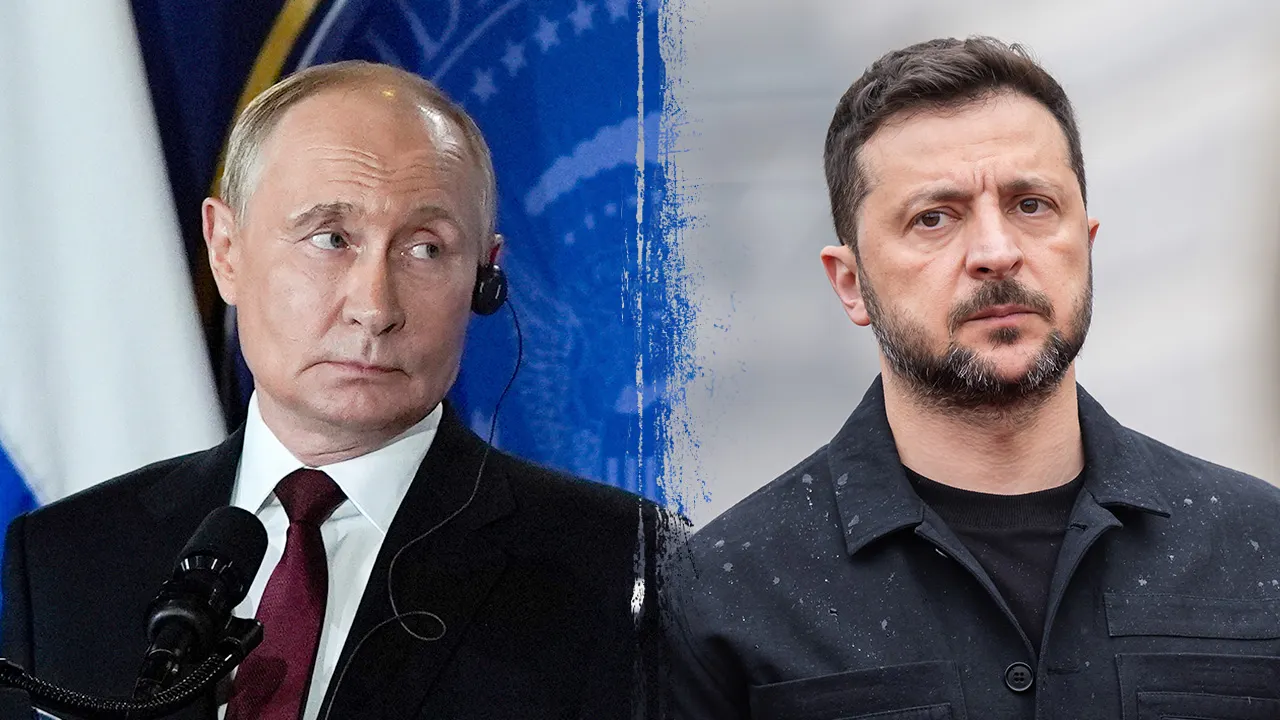
A partial catalogue of the horrors of 2025 that not even the most prescient Trump-watcher could claim to have fully predicted: gutting cancer research in the name of expurgating diversity programs from the nation’s universities. Shutting the door to refugees—except for white Afrikaners, from South Africa. Empowering the world’s richest man to cut off funding for the world’s poorest children. Welcoming Vladimir Putin on a red carpet at an American Air Force base. Razing the East Wing of the White House, without warning, on an October morning. Alienating pretty much the entirety of Canada.
Your list might be different from mine. There is so much from which to choose. And that is the point.
Yet the biggest disappointment of 2025 may well have been not what Trump did but how so many let it happen. Trump has always been a mirror for other people’s souls, an X-ray revealing America’s dysfunction. If this was a test, there were more failing grades than we could have imagined.
On the first day of his second term, the President pardoned more than fifteen hundred violent rioters who sacked their own U.S. Capitol on January 6, 2021, in a vain effort to overturn Trump’s 2020 election defeat. Even his Vice-President, J. D. Vance, had said that this was something that “obviously” shouldn’t happen; Trump’s chief of staff, Susie Wiles, later admitted that she had lobbied him not to go that far. But Trump didn’t listen. He was putting America on notice. The first outrage was a sneak preview of those to come: if there was a choice to be made, he would invariably opt for the most shocking, destructive, or corrupt option. And who was going to stop him?
This is why any obituary for 2025 requires a special shout-out to those whose craven folding to Trump might well have proved to be among the biggest bad surprises of the year—the law-firm managing partners and corporate executives and technology tycoons who decided to pay protection money to the President rather than stand up for the rule of law that enabled their great success in the first place. Eight long years ago, the story of the first year of Trump’s first term was the rearguard struggle over control of the Republican Party; this time, with Trump having long ago won the battle for the G.O.P., he has extended his hostile takeover far beyond the realm of partisan politics, advancing a vision of breathtaking personal power in which the President claims the right to determine everything from what appears on the nightly news to the place names on our maps to which laws passed by Congress should be followed and which can be ignored.
Just a year ago, it was still possible to envision a different course for Trump’s second term—to imagine that, while the President himself might really mean to carry through with his most radical plans, there remained strong forces in society to resist him. Republican leaders in Congress and the Trump-appointed conservative majority on the Supreme Court may yet prove to be something other than the willing handmaidens of democracy’s demise, but they have so far failed to do so. This past year’s disruptions are as much their work as Trump’s; without their acquiescence, as passive or unwilling as it has been at times, many of Trump’s most extreme acts would not have been possible. Just think about Senator Bill Cassidy, of Louisiana, a medical doctor who made much of the “assurances” he extracted from Trump’s vaccine-denying nominee for Secretary of Health and Human Services, Robert F. Kennedy, Jr. Kennedy won his confirmation vote, then broke the pledges he had made to get it. Cassidy has, in the tradition of the Senate, been deeply concerned ever since.