
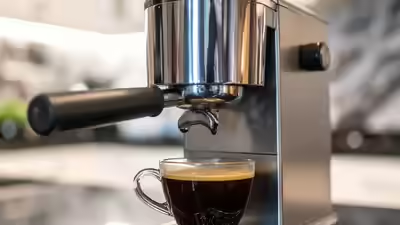
A daily office coffee binge for many professionals is nothing less than a ritual to step up to the coffee machine, and with the highest regard, a coffee cup is a brain dump for one meeting or during a marathon workday of coffee consumption. Coffee drinking has some benefits in that it makes one more awake, and it may shield one from some chronic diseases; however, recent studies imply that the coffee you drink at work could be hurting you more than you think. The manner in which coffee machines in the break rooms brew and filter beans may even cause compounds to accumulate in your body that affect your cardiovascular health in the long run. In addition to brewing methods, hygienic issues, and the servicing of the machines, other factors can also affect what finally ends up in your cup. Being aware of the concealed risks can empower you to make healthier choices that don’t necessitate giving up your must-have daily coffee.
Science behind why office coffee machines may affect your health


According to the study published in The National Library of Medicine, experts say consuming unfiltered coffee, including boiled or press-style brews commonly produced by some office machines, can significantly raise total and LDL (“bad”) cholesterol levels. In contrast, filtered coffee showed little effect on blood lipids. The study explains that paper filtration removes cholesterol-raising compounds called diterpenes, which are present in higher amounts in unfiltered coffee. This evidence highlights how brewing methods can influence long-term cardiovascular health.
Risks of office coffee machines: What you should know
1. Higher levels of cholesterol-raising compoundsThe report on the study mentioned above revealed that in the case of coffee brewed in common office machines, researchers regularly stumbled upon the identification of unusually high content of plant-derived compounds that can raise LDL cholesterol if they are eaten regularly. Stand for these compounds (cafestol and kahweol), which are trapped in paper. Filtered coffee: many workplace brewers do not filter effectively; thus, heavy coffee consumers are exposed to higher cholesterol in the long run through increased intake of these substances without being aware of it.2. Inconsistent filtration leads to health differencesFirst of all, different types of coffee machines do not have the same working principles. Those that employ metal filters, pressurised brewing, or do not have any filters at all can leave your cup with more harmful compounds than a paper filter system would. Also, even the same machine can emit various compounds over time, depending on the conditions and settings of the machine as well as the maintenance.3. Hygiene and microbial contamination risksWhat is still left to be said regarding brewing chemistry is hygiene. Research into the cleanliness of vending and coffee machines demonstrates that surfaces and internal tanks that are not sanitised daily may develop microbial deposits. Studies reveal that bacteria can grow on machine parts and dispensing areas, especially if water and beans are stored in one place for a long time, and thus, users may face a potential health risk.4. Exposure to inhalable dust and endotoxins (indirect risk)Although not limited to office machines, studies on coffee production environments suggest that workers exposed to coffee dust and endotoxins will suffer from respiratory problems. This means that the presence of poor ventilation and dust in the coffee corner of the office or in any other coffee setup can be one of the reasons for the occurrence of indirect health problems if maintenance and cleanliness are not given priority.5. Hot coffee temperature risksSeveral studies have shown that consumption of very hot beverages, including coffee, can lead to risk factors such as inflammation or even irritation of the oesophagus if done regularly and at extremely high temperatures. While this is not connected with the office coffee machine directly, it reminds us that how we consume is just as important as what we consume.6. False sense of safetyOffice coffee is a thing that is very well known and easy to access; thus, it may result in the creation of a false feeling of security in terms of the quality of the product. The fact, however, is that a machine which is not regularly descaled, cleaned, or calibrated can be a place where residues are stored, ranging from coffee oils to dried juice or mould, that not only affect the taste but also the hygiene.How to reduce the risks

- If you can, opt for paper-filtered coffee, as it helps get rid of more harmful substances.
- Keep your coffee machine in a good hygienic condition. Maintenance schedules, if any, should be discussed with your office administrator.
- Gradually increase the number of cups you take at home by brewing filtered coffee or tea so as to lessen continuous exposure.
- Don’t overdo it with coffee temperature; let it warm up a little bit before taking a sip.
- Be sure to take in enough water and keep your body balanced throughout the day.
Your first cup of coffee at the office may look like an innocent little luxury, but recent studies make it worth your while to pay attention to how your machine works in terms of brewing, filtering, and hygiene. Making small changes like going for filtered brews or confirming that your machine is cleaned regularly can help you reduce the risks of your daily coffee habit, plus you get to keep enjoying it.Also read | How to get rid of ants in plant soil without harming your plants