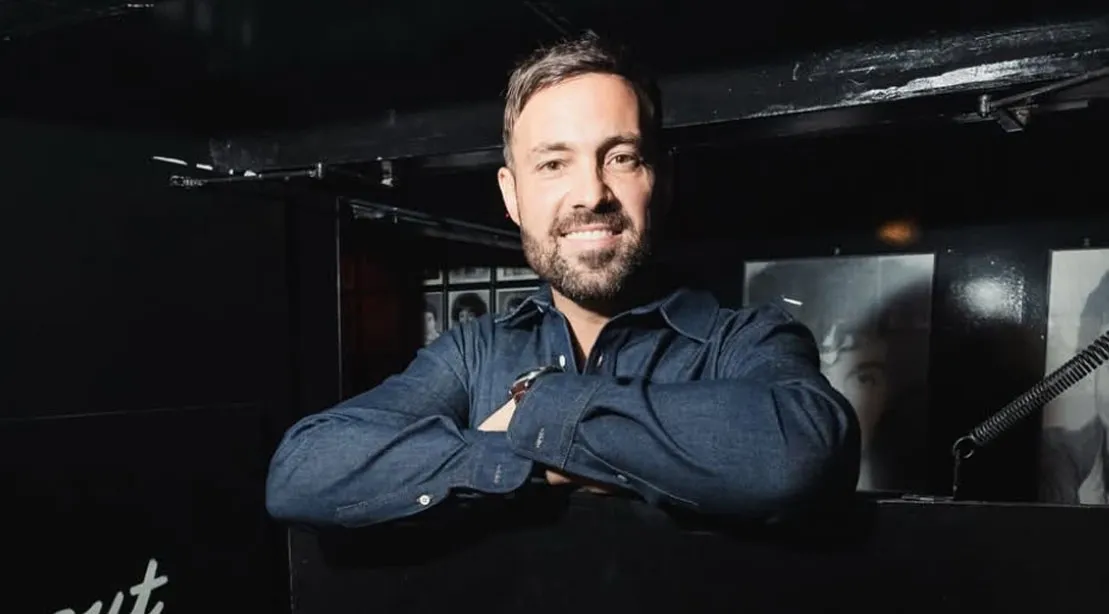
For years, comedian Jeff Dye built his career on sharp wit, observational humor, and an infectious stage presence. But behind the laughs, the funnyman was battling a quieter struggle. It was one that many individuals, especially those in entertainment, can deeply relate to: relying on alcohol as a shortcut to personal connections.
Now more than two years sober, Dye is candid about how stepping away from drinking has reshaped his relationships, creativity, and perhaps most importantly, his health. In a comedy culture in which late nights and cocktails are an everyday part of the job, Dye’s newfound journey toward sobriety has become a refreshingly deep perspective on how he presently connects in life, substance-free.
“Since I’ve stopped drinking, I’m bouncing out of bed compared to the way I used to,” he says. “I’m not chemically imbalanced as far as being blackout drunk all the time. It’s been really easy to stay sober because I just feel so much better. It’s like a fountain of youth. You can live like this without feeling groggy, itchy, achy, and depressed.”
Rethinking Connection Without Alcohol
He may be most famous for his standup appearances on the comedy club circuit, but Dye has been slowly building a reputable television résumé as well. Finishing third on Season 6 of Last Comic Standing, the Seattle-born comedian appeared multiple times on The Tonight Show with Jimmy Fallon, as well as being a recurring guest on Fox News’ Gutfeld. He’s also hosted a handful of series on MTV.
While his popularity continues to rise, and his face becomes more recognizable to those inside and outside the comedy world, his need to function with a clear head night after night may be more critical now than ever. So when it comes to talking about his sobriety, Dye doesn’t frame his story as one coming from either trauma or rock bottom. Instead, he describes his past dependency on simply a lifelong desire to connect with others around him.
“I always just wanted people to get along,” he explains. “And I saw alcohol as the way people did that; friends bonding, families celebrating, flirting, all of it.”
But over time, that belief began to unravel. What started as a social tool became a barrier. Drinking too much blurred his interactions, dulled his awareness, and ultimately disrupted the very connections he was trying to build.
Letting go of alcohol forced a reset.
“It healed a lot of my flaws,” Dye says. “Now I just genuinely connect without needing it.”
The Unexpected Ease of Staying Sober
Now going into his third year of sobriety, one of the biggest surprises Dye has experienced has been the welcoming relief from the constant struggle with hangovers he’d experience nearly every morning.
After years of assuming grogginess and fatigue were just part of the aging process, the 43-year-old discovered something different on the other side of drinking: an influx of energy each morning he hadn’t felt in decades.
“I thought waking up feeling terrible was normal,” he says. “Now I bounce out of bed. I feel clear. I feel balanced.” This feeling aligns with research showing that alcohol disrupts sleep cycles, hydration, and brain chemistry, factors that significantly affect recovery and daily performance. Removing it often leads to improved mood, sharper focus, and better physical output.
For Dye, clarity at sunrise has become its own form of morning motivation. One of the most tangible shifts in Jeff Dye’s sobriety journey has been how he’s now capable of handling his physical health—and how closely that ties into his overall mental well-being.
“I just have so much more time,” he explains. “I can get something physical done before noon, and then I feel good the rest of the day.”
That mind-body connection is backed by science. Regular physical activity has been shown to reduce symptoms of anxiety and depression, improve cognitive function, and regulate mood. Benefits that are especially important for those in recovery. According to the Substance Abuse and Mental Health Services Administration, incorporating structured routines and physical movement can significantly improve long-term sobriety outcomes by reducing stress and increasing emotional resilience.
In Dye’s case, his approach to fitness has become refreshingly flexible, placing a much heavier emphasis on consistency over intensity. For the comedian, “something physical” doesn’t always have to be taken to extreme levels. His morning routine can range anywhere from hot yoga sessions to light circuit training to weightlifting with his friends.
Hot yoga, in particular, has become a cornerstone of his routine. While many are drawn to it for its physical benefits, Dye emphasizes the mental clarity the practice provides.
“It feels more mental than anything,” he says. “That’s where I think of my best ideas. It’s almost therapeutic.”
Sobriety by the Numbers
Dye’s experience reflects a broader cultural shift. According to the National Institute on Alcohol Abuse and Alcoholism, nearly 29.5 million adults in the United States had Alcohol Use Disorder (AUD) in recent years. Meanwhile, data from the Substance Abuse and Mental Health Services Administration shows that millions more engage in binge drinking behaviors that can impact both mental and physical health.
At the same time, sobriety is on the rise. Especially among younger adults with surveys indicating that Gen Z drinks significantly less alcohol than previous generations.
But in the comedy world, sobriety can come with assumptions—and not always flattering ones.
“People think if you’re sober, you’re boring or think you’re better than everyone,” Dye says. But he pushes back on that narrative with humor and honesty. “The truth is, people like me better when I’m not drinking,” he admits. “I’m less reckless, more present.”
There’s also another misconception he’s encountered: Choosing not to drink automatically signals a serious problem. Dye doesn’t shy away from that either.
“I’d rather people think I had a problem than think I’m boring,” he jokes.
Instead of sticking to sobriety stereotypes, one of cornerstone of Dye’s sobriety has been his reliance on community.
Despite joking on stage about skepticism from friends, the reality has been the opposite.
“My friends have been incredible,” he says. “Not only did they support me, some of them stopped drinking too.”
That level of accountability has been crucial, especially on the road. Long, unpredictable tour can be filled with late nights, afterparties, and audience members offering drinks. Dye navigates it carefully, oftentimes leaning on friends and colleagues for support. He’ll try avoid temptations (even from hotel minibars) whenever possible. At the same time, Dye is still willing and able to be present in post-show environments that once revolved around alcohol. He’s found his own method for staying sober while remaining celebratory.
“I do indulge in cigars—I’m a big cigar guy,” he admits. “I don’t ever wanna be the guy who just flees because everyone’s drinking.”

Substitutes For Sobriety
An often-overlooked part of Dye’s routine and one that speaks to a growing wellness trend, is his use of alternative beverages.
The rise of non-alcoholic beverages has made this transition easier than ever. According to industry data from Nielsen, sales of non-alcoholic beer, wine, and spirits have grown significantly in recent years, reflecting a broader cultural shift toward mindful drinking and sobriety.
For Dye, he uses these zero-ABV drinks as important tools that help support a sober lifestyle. They allow him to stay present in environments that once revolved around drinking, reinforcing both his mental clarity and his sense of belonging.
In social settings, where alcohol once played a central role, Dye opts for zero-alcohol options that still allow him to participate in the experience without compromising his sobriety.
“I like having something in my hand,” he says, noting his preference for sparkling, IPA-style beverages that mimic the taste and ritual of beer, without the alcohol content. This small but intentional habit plays a larger role than it might seem. Behavioral experts often point to “replacement rituals” as a powerful tool in habit change. By swapping alcohol for a non-alcoholic alternative, Dye maintains the social rhythm of post-show hangouts and green room conversations, without the downside.
“I do deserve and want to be a part of the comedy circles no matter what they’re doing,” he says. “They’re my tribe, so I’m not just gonna leave because they’re all drinking. I’m gonna hang out and be a part of it and talk to them and connect. Once it gets a little too much, then I’ll leave.”
Faith, Perspective, and Staying Grounded
While fitness has helped Dye rebuild his physical and mental foundation, his spiritual grounding has remained a constant through every phase of his life.
Unlike many sobriety stories that involve a rediscovery of faith, Dye’s relationship with God was never absent.
“I was very, very close to my creator before I stopped drinking,” he says. “And I still am.” That consistency offers an important nuance to his journey. Sobriety didn’t introduce faith into his life, it refined how he engages with it.
Sobriety has allowed Dye to experience life without the emotional buffering that alcohol often provides. The highs feel higher, the lows feel sharper, and everything in between is more vivid. That clarity can be overwhelming but it also creates space for more intentional grounding.
Faith, for Dye, has been integrated into the fabric of his daily life rather than reserved for moments of crisis.
There’s also a broader perspective at play. In a world that often feels chaotic, especially within the entertainment industry, having a steady internal compass is invaluable. Faith provides that anchor, helping him navigate everything from career pressures to personal growth without losing his sense of self. That along with remaining sober, is going a long way toward Jeff Dye recapturing his health and career.
“I already loved life,” he says. “Now it’s turned up even more.”
If you or a loved one is struggling with alcohol use, help is available. You can contact the Substance Abuse and Mental Health Services Administration National Helpline at 1-800-662-HELP (4357) for free, confidential support 24/7.