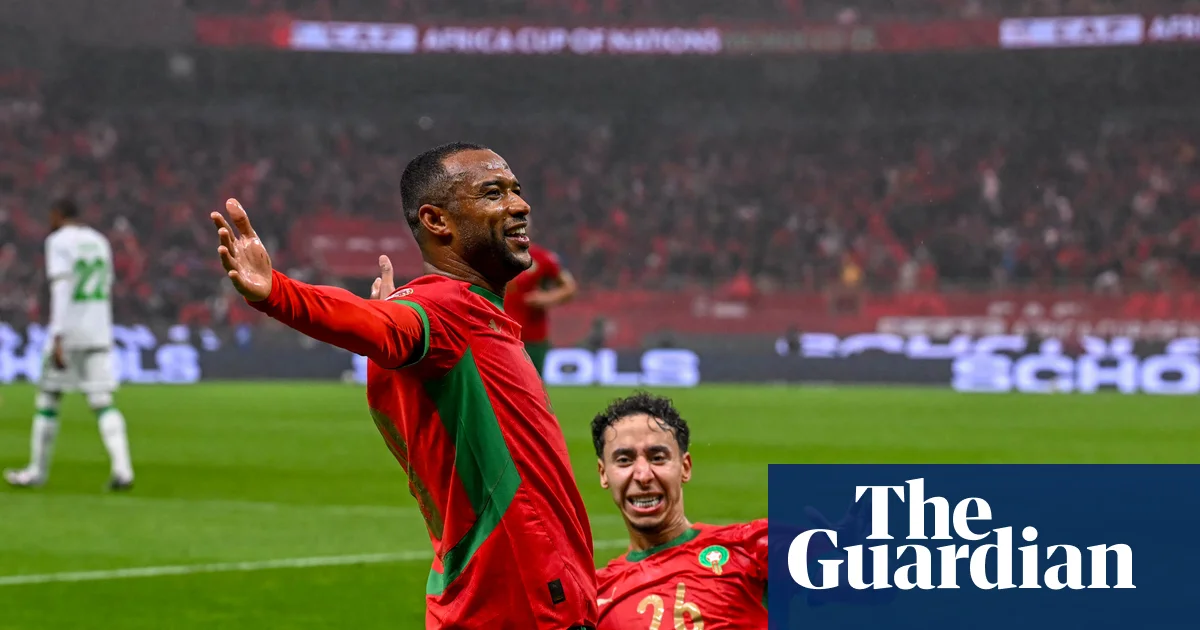
It is hard to conceive that Morocco, now the nerve centre for staging Africa’s marquee football events, was a continental pariah 10 years ago.
Abruptly pulling out of hosting the 2015 Africa Cup of Nations, over fears it would lead to the spread of the Ebola virus in the kingdom, forced the Confederation of African Football to move the tournament to Equatorial Guinea, with less than 90 days to prepare for its staging.
For Hicham El Amrani, the Moroccan who was then Caf’s general secretary, it was a tough period. “The pressure I was under can only be imagined, as I was pulled in different directions,” he later said. “It is a time I would like to forget.”
It led to Morocco’s ban from the next two Afcons and punitive fines from Caf which were overturned at the court of arbitration for sport.
That is a distant memory. Hosting the ongoing Afcon and the past two women’s Afcons – in 2022 and this year, with another Wafcon to be played there in March and April 2026 – and staging the 2030 men’s World Cup, primarily with Portugal and Spain, shows the north African country’s importance within world football.
“Being in my 40s, I have been a witness to all the unsuccessful bids to host the World Cup,” says Amine El Amri, the head of sport at Le360 and one of Morocco’s most respected football journalists. “Hosting the World Cup is a project that engages every Moroccan in a common dream, knowing that a World Cup tournament comes at a cost but also with a huge boost to the infrastructure of a very young and very demanding society.”
Omar Khyari, head of international relations at the Royal Moroccan Football Federation (FRMF), says forging close cultural, economic and diplomatic ties with the rest of Africa after the 2015 incident was a 2017 policy decision of King Mohammed VI, the country’s absolute monarch.
Abderrahim Bourkia, a sports sociology professor at Hassan I University, goes further. “From a socioeconomic perspective, these tournaments are instruments of symbolic capital in the Bourdieusian sense, converted into political and economic capital. Mega-events accelerate urban development, modernise transport and stadiums, stimulate tourism and create temporary and long-term employment. At the same time, they contribute to a collective national narrative, strengthening social cohesion, pride and international visibility.
“These events would generate hope around employment, infrastructure and development. I don’t know if I should use ‘should’ instead of ‘would’, but these events raise some questions: How do we ensure the benefits are socially inclusive? How do we avoid event-based development that overlooks everyday inequalities? And how do we transform football enthusiasm into sustainable public policy? Hosting these tournaments signifies Morocco’s capacity for organisation, to be trusted, and to project power symbolically. But it also challenges the country to translate sporting prestige into lasting social gains. And I think we could, if we think about it.”
El Amri believes encounters with international visitors to Morocco help redefine national identity. “Moroccans look at themselves through the gaze of the other,” he says. “This can strengthen pride in cultural heritage: our music, our food and crafts, and religious tolerance, while also encouraging selective modernisation and openness.
“Football becomes a stage for symbolic recognition, where Morocco asserts its Africanness and its global belonging. The society is a melting pot consisting of an Amazigh, Saharan, Arabic and southern European mixture. Opening the country to others is key in a world where power is shifting on a regular basis. It is strategic to know where we are and whom we are supposed to interact with, in order to find our proper and fitting place.”
Sunday Oliseh, who won Afcon with Nigeria in 1994 and is working as an analyst at the ongoing tournament, knows Morocco well. The former Super Eagles captain and head coach is married to a Belgian-Moroccan.
“I first came to Morocco in 1997 … We visit Morocco a lot and were here in August, in Tangier. For me, it is the most developed nation that I have seen in Africa over the last 30 years … Let anyone show you pictures of how Morocco was 30 years ago and compare it to now. It should really motivate other countries in Africa, especially my own, Nigeria, to make real progress.”
Anti-government youth-led demonstrations that swept across Morocco in late September and early October included accusations that the Moroccan government was prioritising spending on World Cup stadiums over social services. The government, which denied that, has since said it is committed to social reforms and announced increased spending on healthcare and education. Human rights groups have alleged the demonstrations led to the arbitrary detention of hundreds and beatings.
In a football context, winning Afcon is the holy grail for ordinary Moroccans, the country having last secured the title in 1976. Hosting the 1988 tournament and the past two Wafcons did not bring home success but El Amri says the country’s goals as hosts go far beyond titles.
“It is an opportunity to showcase not only our capacity to welcome the world but also to emphasise a deeply rooted tradition of being a genuine, open, yet respectful country. Moroccans from all walks of life love football, and seeing superstar players in Morocco is gratifying. On the economic level, it’s a huge boost to a solid industry, even though it is still a developing tourism industry. The image of a welcoming, affordable and secure country goes beyond any PR campaign.”
Walid Regragui, Morocco’s manager, is acutely aware, though, that only an Afcon title triumph on 18 January will ensure he leads the team to next year’s World Cup. He took the Atlas Lions to a historic semi-final place at the 2022 World Cup in Qatar but in the result-oriented business of sport only the present is valued.