

A new monoclonal antibody called nebokitug offers fresh hope to patients who have primary sclerosing cholangitis (PSC), because this rare liver disease has limited treatment options until now, except for a transplant. The first set of trials, led by University of California-Davis, US, (Published in the American Journal of Gastroenterology) shows that the treatment maintains safety, and demonstrates ability to reduce liver inflammation and damage. The discovery has the potential to transform thousands of lives. Let’s learn more…What is Primary Sclerosing CholangitisPrimary sclerosing cholangitis (PSC) is a chronic liver disease which causes inflammation and scarring of the bile ducts, that run through and out of the liver. The scarring process creates permanent damage to the liver, which results in duct narrowing, bile flow obstruction and liver tissue destruction, that progresses to fibrosis before causing cirrhosis.PSC occurs in 1 out of 10,000 people, who are mostly male adults between 30 and 60 years old, and it commonly develops in patients with inflammatory bowel disease who have ulcerative colitis. The lack of effective drugs forces patients to undergo liver transplantation, because 50 percent of them will require this procedure between 10 to 18 years after their initial diagnosis.


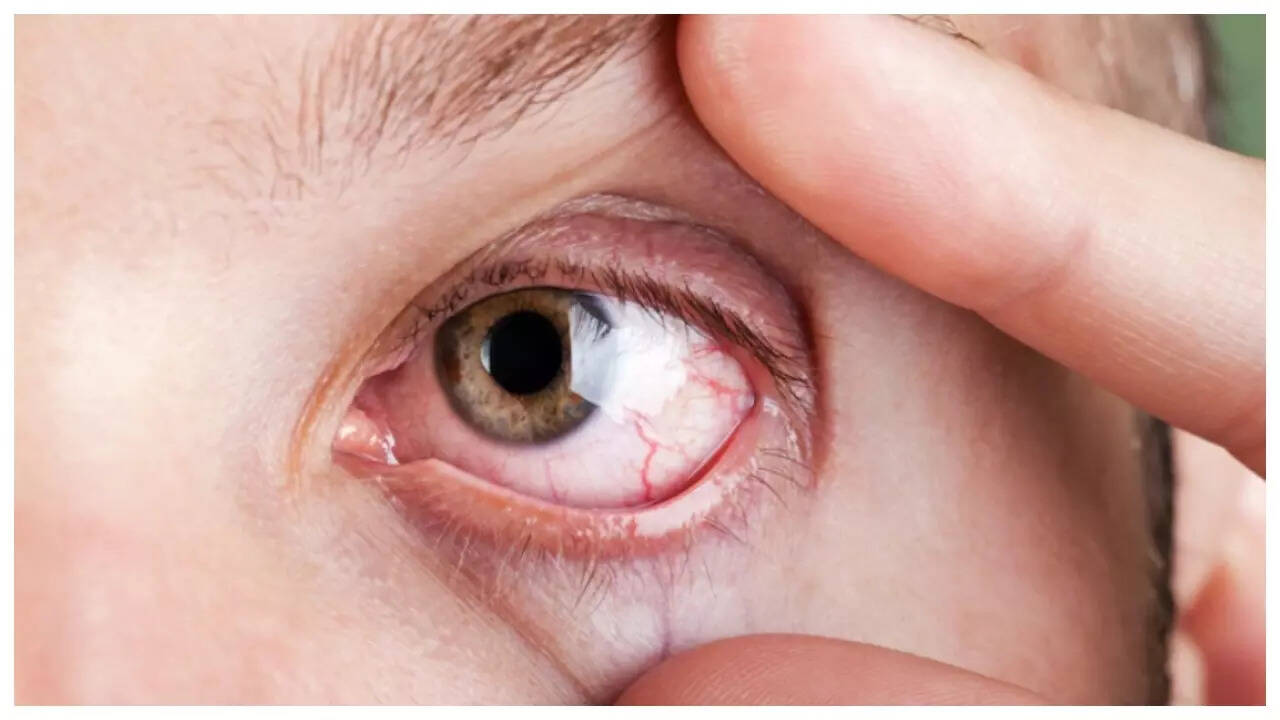
Symptoms and daily impactThe main symptoms of PSC include fatigue, together with itching, abdominal pain, yellow skin discoloration, and eye yellowing known as jaundice, because of bile accumulation. The progression of the disease leads to weight loss, and patients develop fevers because of infections and their blood contains toxic substances, which cause confusion.
The disease starts its progression without any noticeable symptoms until patients discover their condition through medical tests, which reveal elevated liver enzymes and gut problems, during their check-ups. Daily life suffers from constant tiredness and worry about liver failure or bile duct cancer risk, which rises 10 to 20 times in PSC patients.Current treatment limitsUnder medical supervision, the current drug, ursodeoxycholic acid (UDCA) treatment, provides no benefit to most patients, because it manages symptoms and decreases enzymes, but does not prevent liver damage, or extend patient survival time. The use of antibiotics to treat infections and stent placement for blocked ducts, serves as short-term answers to the problem.The only treatment which cures end-stage PSC exists as liver transplant surgery, but that suffers on two counts: insufficient organ donations, and risk of rejection. The existing treatment gap requires scientists to conduct immediate research for developing new therapeutic approaches, which specifically combat inflammation and fibrosis.What is NebokitugNebokitug is an experimental monoclonal antibody, designed to fight inflammation and fibrosis in the liver. Monoclonal antibodies consist of laboratory-made proteins, which create exact molecular connections to particular disease-related molecules.Developed for PSC, nebokitug aims to reduce bile duct damage and liver stiffness, key drivers of progression. The medication targets fibrosis pathways instead of using broad drug approaches, to treat this difficult-to-treat condition.Key Phase 2 trial resultsThe multicenter Phase 2 trial at University of California-Davis, US, included 76 PSC patients from five countries, who received either nebokitug or placebo, through IV administration every three weeks for 15 weeks. The research established safety as its main goal because the American Journal of Gastroenterology published findings, which proved the treatment method safe for patients without any harmful drug-related side effects.The study results showed that patients who received higher doses of treatment and had severe scarring, experienced decreased liver stiffness and PRO-C3 fibrosis marker levels compared to the placebo group. “In the trial, nebokitug demonstrated that it has the potential to change the lives of patients with PSC by reducing fibrosis and inflammation, which should lead to improved outcomes,” said Christopher Bowlus, chief of Gastroenterology and Hepatology at UC Davis Health.Safety and next stepsThe trial results demonstrated nebokitug provided safe treatment, because it caused only brief infusion-related side effects which occurred at rates comparable to the placebo group. The treatment produced no unexpected liver problems, which allowed patients with poor health to maintain their current medical condition.The research community has planned to perform detailed Phase 3 studies, which will confirm the treatment’s effectiveness in improving liver health and extending transplant duration, and improving survival outcomes for patients. The study would achieve positive results which would result in FDA approval, to address the current lack of treatment options for PSC patients.Why this matters for liver healthPSC shows that bile duct issues, lead to progressive liver deterioration, which needs patients to get blood tests and imaging tests for successful early diagnosis. The regular medical checks help IBD patients and other at-risk groups, to detect their condition progression before their health condition becomes severe.The success of Nebokitug demonstrates that monoclonal antibodies will serve as future medical solutions, for treating rare liver diseases which already transformed the treatment of cancer and autoimmune diseases. The treatment method allows researchers to continue their studies about PBC, and its connected medical conditions.Lifestyle support for PSC patientsPatients can find relief through a low-fat diet which helps reduce bile load, weight management and complete avoidance of alcohol to safeguard their liver cells, until new medications become available. Walking as a gentle exercise helps people reduce their fatigue levels, while vitamin supplements address the typical nutrient deficiencies, which occur because of inadequate bile circulation.Yoga practice and support group participation, serve as stress management tools which help people deal with unpredictable situations, because mental health directly affects how well patients recover from liver disease. Quitting smoking reduces cancer risk even more which gives patients more control because they have few treatment choices.Hope on the horizonNebokitug introduces new hope for PSC treatment, through its proven method of using specific medications to treat liver scarring, when standard approaches do not work. Medical research continues to advance, which will establish new methods to prevent organ transplant needs, while simultaneously improving patient health outcomes. Science continues to search for treatments which will cure rare diseases that doctors used to consider incurable.Disclaimer: This article is informational only and not a substitute for medical advice