About 800 years ago, Richard Fishacre, a Dominican friar at the University of Oxford, challenged the scientific thinking of the day, using his understanding of the behaviour of light to show that stars and planets are made of the same elements as found on Earth. Though he faced heavy criticism at the time, Fishacre would probably have been delighted to learn that very similar principles are being used to make discoveries today.
During his lifetime it was believed that Earth was made up of four elements – fire, water, earth and air – while the stars and other planets were made from a special transparent and unchanging fifth element.
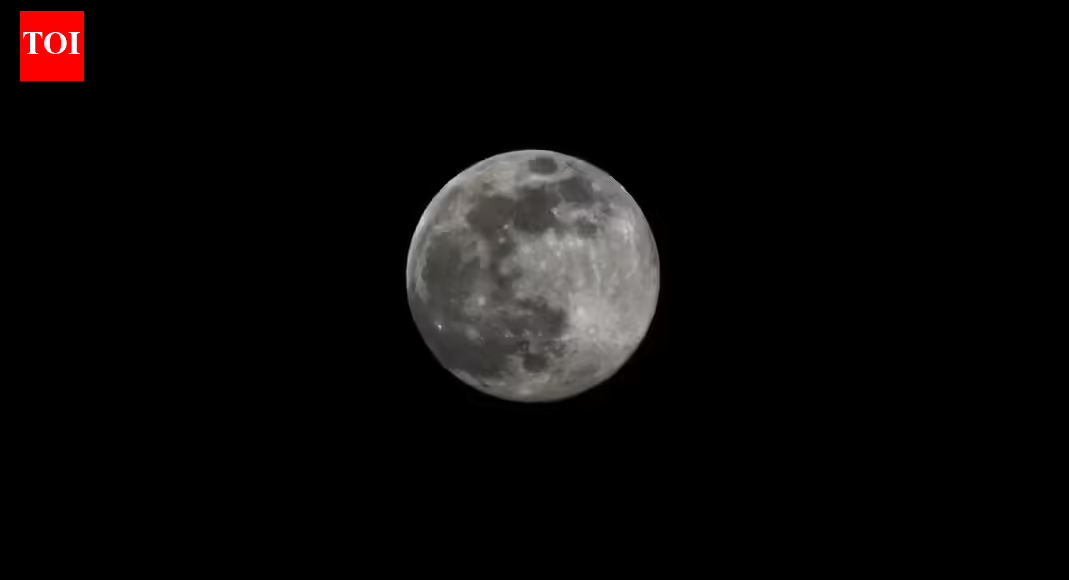
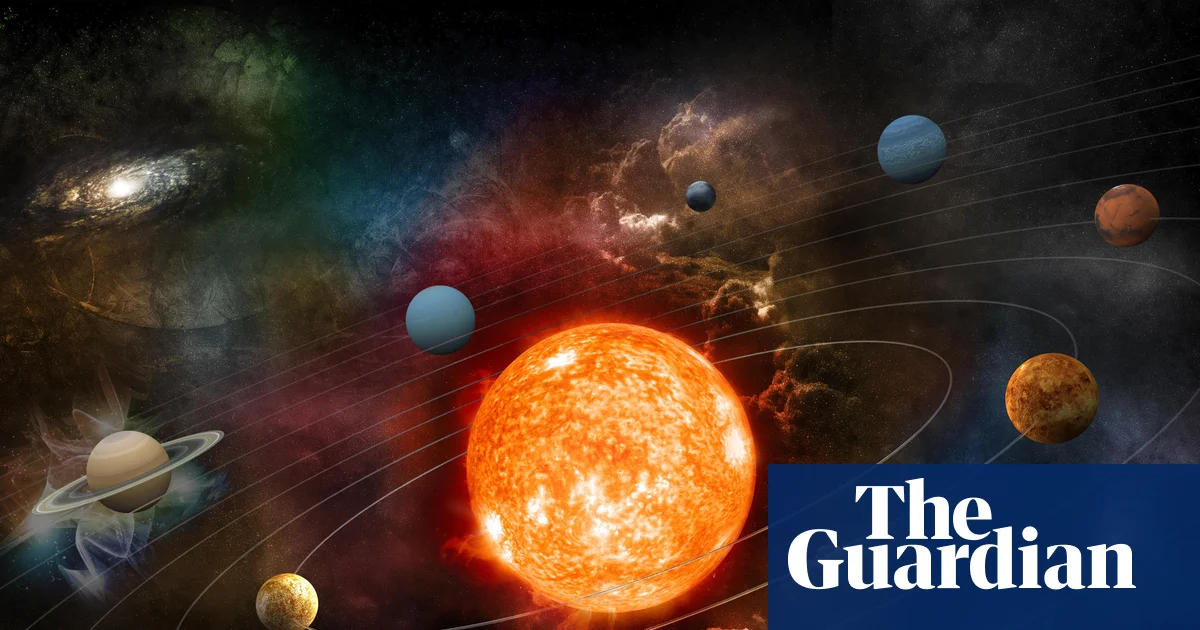
But Fishacre drew on his understanding of light and colour to argue that if stars and planets were made of a such a substance, they would appear transparent. Instead, the red of Mars, yellow of Venus and blue and white of the moon, he said, were clear evidence that they were made up of multiple elements also found on Earth.
Today, telescopes such as the James Webb detect variations in the brightness and colour of light from distant planets and stars, recently revealing that TOI-421b – an exoplanet about 244 light years away – has an atmosphere rich in water and sulphur dioxide.