
Weight loss drugs like semaglutide and tirzepatide have transformed lives, helping millions shed substantial pounds by curbing appetite and slowing digestion. But stopping them often triggers a harsh reversal. Clinical trials reveal most users regain two-thirds of lost weight within a year, with hunger surging back and metabolism dipping. Stories shared by BBC News bring this science to life, showing the emotional-and physical toll.
The immediate rebound

Once injections cease, hormone mimics fade from the system within weeks. Appetite hormones like ghrelin roar back, creating intense “food noise” that drives overeating. A STEP 1 trial extension found semaglutide users regained 11.6 percent of body weight in one year off the drug, versus just 1.9 percent on placebo.Hormone effects vanish in days to weeks. Ghrelin surges, sparking nonstop “food noise” that overrides willpower. Appetite climbs 20-30 percent above baseline within a month, per STEP trials. Portions double as stomachs empty faster, piling on 2-5 kg early.Digestion speeds up, portions balloon-and muscle loss from treatment slows calorie burn further. Tirzepatide users see similar patterns, with a JAMA study noting 14 percent regain after switching to placebo. Early signs hit at four weeks, escalating to 2.5 kg by 20 weeks in some cohorts.
Tanya’s cycle of cravings

Tanya Hall turned to injections to silence years of constant hunger. The drugs quieted it, letting her eat mindfully for the first time. But each pause unleashed worse urges, pulling her into binge cycles.Now weighing lifelong commitment against nausea-and costs, she told BBC News the noise returns “louder than ever.” Her story echoes trial data where 68 percent regain most weight without sustained habits.
Sarah’s swift four-stone return
Sarah dropped four stone, gaining energy and confidence she never knew. Clothes fit loosely, outings felt joyful. Stopping after a year seemed feasible, but pounds returned rapidly, surpassing her starting weight.BBC captured her dismay as old insecurities resurfaced. This matches meta-analyses showing semaglutide prompts the highest rebound at 5.15 kg on average, outpacing older drugs like liraglutide.
Mark’s muscle loss
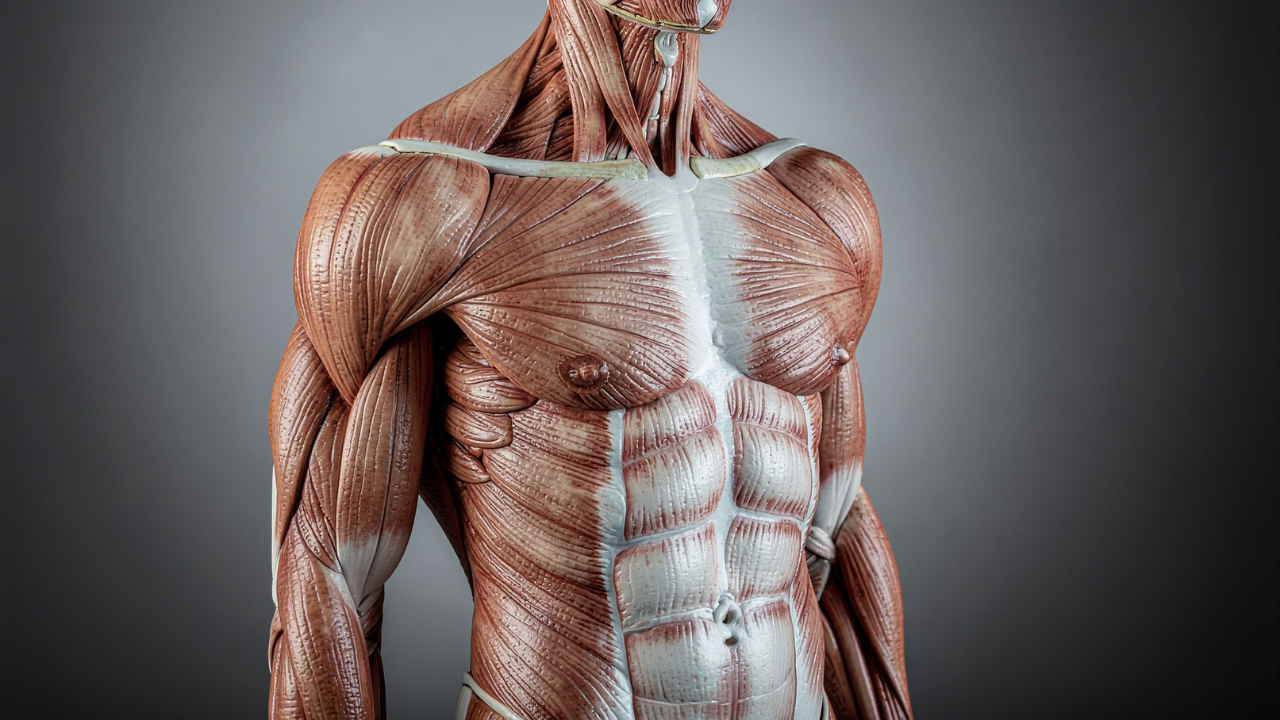
Mark slimmed down in his thirties, enjoying active fatherhood without fatigue. Quitting exposed treatment’s downside: lost lean mass hampered metabolism. He restarted shots while adding weights to rebuild.His BBC-shared frustration highlights why experts urge resistance training during use. Without it, regain accelerates as basal metabolic rate drops 5-10 percent.
Withdrawal symptoms and metabolic shifts
Beyond weight, users report fatigue, mood dips, and constipation as guts readjust. Insulin sensitivity improves on drugs but can wobble off them, risking blood sugar spikes in predisposed folks.A 2025 review in PMC analyzed GLP-1 agonists and tirzepatide, confirming drug-dependent rebounds. Slow tapers with lifestyle support held weight steady for six months in Danish patients.
Strategies to soften the blow
Doctors recommend gradual dose cuts over four to eight weeks, paired with 150 weekly exercise minutes and protein-rich meals. High-fiber veggies blunt hunger; strength sessions preserve muscle.Support apps track progress, while therapy tackles emotional eating. BBC stories stress viewing drugs as bridges to habits, not fixes. Costly at £200 monthly, access limits long-term use for many.Rebounds frustrate, but 48 percent of semaglutide users kept 5 percent loss after a year off, per STEP data. Trials explore maintenance doses or orals for affordability.Tanya, Sarah-and Mark persist, blending meds with routines. Their BBC-shared journeys prove resilience matters. Consult providers before stopping; pair science with grit for sustainable paths forward.