
With a dry paper towel, no one would clean fecal matter off their arm; instinctively, one knows to wash it well with water. It is incredible how the same standard rarely extends to the most vulnerable, bacteria-ridden area on the body, where dry toilet paper is woefully inadequate.Dr. Tarek Pacha, an active urologist, knows this disconnect all too well. Patients come to him with chronic irritation, repeating infections–and discomfort they seem to think they must live with. Conventional toilet paper is often bleached, formaldehyde-treated–and PFAS-coated, which translates onto tender mucosal tissues–and perpetuate issues over time.
Limitations of dry toilet paper


In fact, research shows that toilet paper users retain up to a tenfold increase in bacterial loads on the hands compared with those who use water-based methods. This residue easily spreads to surfaces, faces, and food to keep the contamination cycle going.Dry wiping primarily smears rather than removes the waste. Front-to-back motions can direct the fecal bacteria toward the urethra, which has long been identified as a primary risk factor for the development of recurring urinary tract infections, particularly in women. According to Dr. Pacha, targeting this mechanic alone significantly diminishes the incidence of UTIs.The porosity of the material allows bacteria to penetrate fibers onto hands, and its abrasive nature causes micro-fissures in the lining of the perineal area. These breaches allow for the entry of pathogens, inflammation-and delayed healing.
Chronic irritation cycle
Dr. Pacha describes a self-perpetuating loop: initial irritation leads to excessive wiping, which inflames itching–and skin breakdown. This dynamic sustains hemorrhoids, anal fissures–and perianal dermatitis, which are often treated symptomatically rather than being resolved at the source.The residue remains there after repeated passes and is accentuated by chemical irritants. Formaldehyde and PFAS linger in the body, combining to create prolonged sensitivity and possible long-term health consequences.He attributes recurrent UTIs in women and exacerbations of prostatitis in men to suboptimal hygiene. These conditions are considerably disrupting quality of life, yet they respond very well to targeted interventions.
Evidence-based alternatives
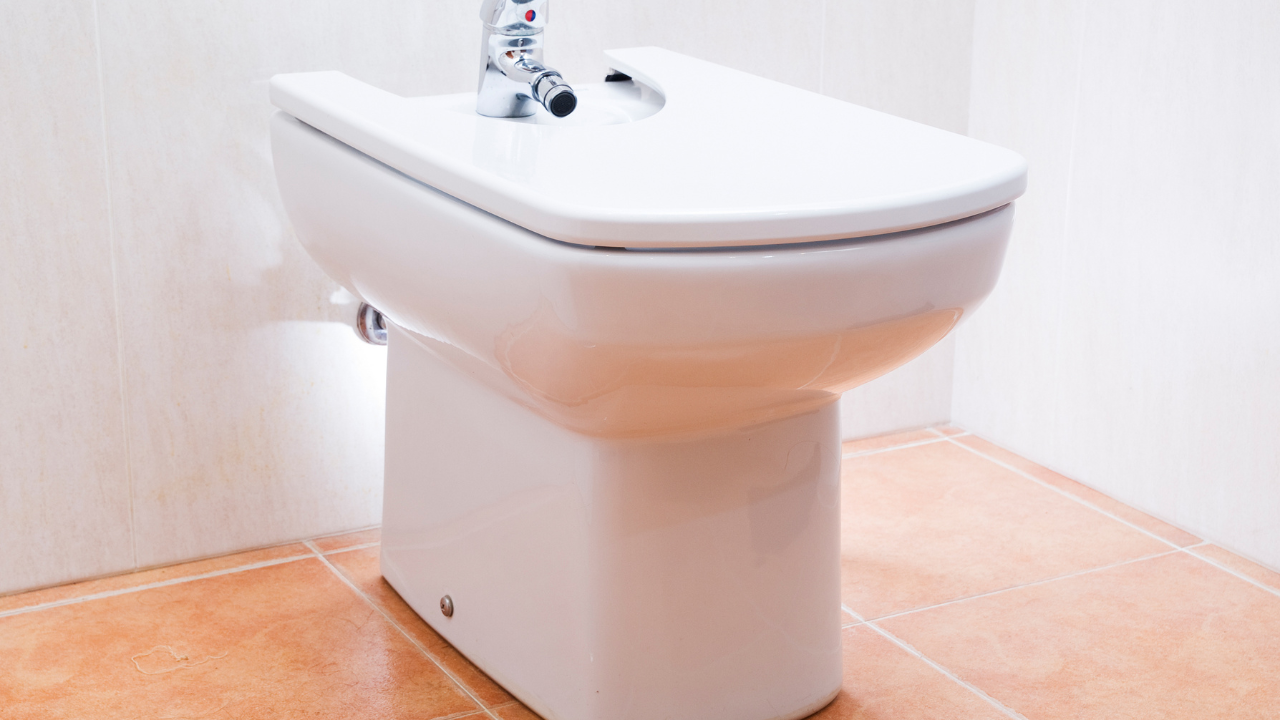
Water-based cleansing meets the dermatological-and urological-standards. Research from Japan, among other places, indicates bidet users exhibit a 90 percent greater reduction in bacteria after defecation, with an accelerated recovery of mucosa and diminished erythema.Dr. Pacha recommends light patting and not rubbing; using lukewarm water, then air or soft towel drying to keep the skin’s barrier intact. Scent-free, biodegradable wet wipes work in practical relief where installed bidets are not available.Inexpensive, portable bidet attachments, starting at less than $50, offer direct streams and effective drying, incorporating with standard fixtures.
Clinical outcomes from everyday practice
A 35-year-old educator with six annual UTIs achieved complete resolution after adopting bidet hygiene. “It changed how she felt about her body autonomy,” says Dr. Pacha.Likewise, a middle-aged male patient resolved chronic perianal pruritus and hemorrhoidal flares within weeks of habit change, restoring epidermal integrity. These cases draw in the therapeutic possibilities of hygiene. Dr. Pacha advises that such a trial should be given for four weeks, in which the symptomatic relief should be monitored systematically.Moving toward better hygiene. Beneath its ubiquity, toilet paper conceals evolving hygiene science. Water-centric modes support natural pH balance and moisture regulation; hence, minimizing the needs for intervention. According to Dr. Pacha, this reframes the shift: it is essential to medical practice, not an indulgence. Benefits include improved comfort, less utilization of health-care–and well-being improved. So next time apply the arm–wiping principle: sensitive areas deserve no less. Readily available innovations make this enhancement possible, with continued perineal health.