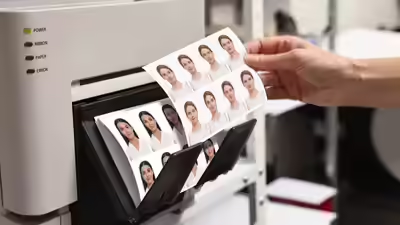
Why you can’t smile in your passport photo usually hits you at the worst moment. You are already sitting in that stiff chair, lights in your face, and someone suddenly says, “No smile.” It feels odd. Almost rude. Smiling is how people look normal. Friendly. Like themselves.But a passport photo is not meant to show who you are socially. It exists for one purpose only. To prove that you are the same person every single time you cross a border, sometimes years apart.There is science behind this, not personal preference. A peer-reviewed study published in Forensic Science International looked at how facial expressions affect identification accuracy. It found that neutral expressions are matched more accurately than smiling ones, especially when photos are compared after long gaps of time. When facial muscles are relaxed, the face becomes easier to measure and compare reliably.
How biometric rules decide the expression for your passport picture
Why you can’t smile in your passport photo comes down to how biometric identification works. Passport photos are analysed using fixed facial points. The distance between your eyes. The shape of your jaw. The position of your nose and mouth.When you smile, those measurements change. Cheeks lift. Eyes narrow slightly. The mouth stretches wider. Even a small smile shifts proportions enough to matter. Biometric systems need a stable face, not an expressive one. A neutral expression gives them that stability, even if the photo is used years later.
What facial recognition software actually sees
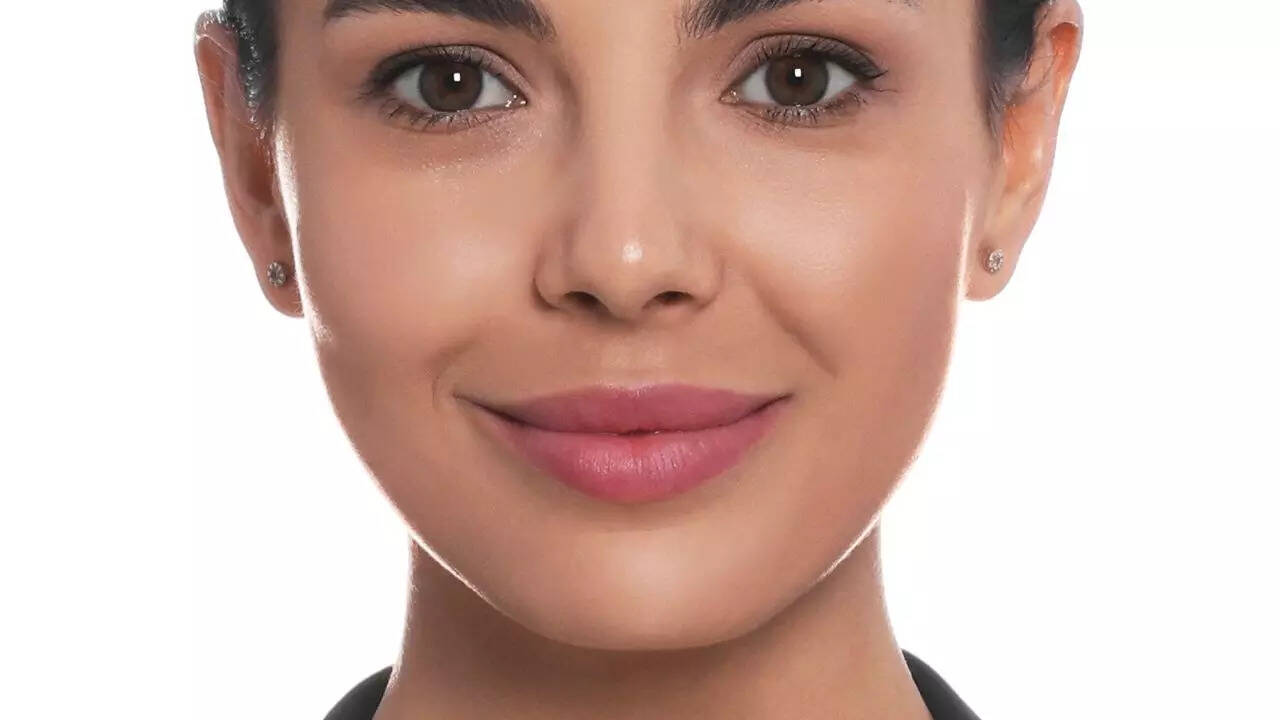
Why you can’t smile in your passport photo makes more sense once you realise facial recognition software does not see emotions. It does not see happiness or friendliness. It sees numbers.Your face is converted into patterns and ratios. Smiling changes those patterns. Research in computer vision shows that expressions reduce matching accuracy. In busy airports, where thousands of faces are scanned daily, small mismatches can cause delays. Neutral faces lower the chances of errors, false alerts, and extra checks.
Why does this rule exist worldwide
Why you can’t smile in your passport photo is not a random rule made by one country. It follows international standards. Passports need to work everywhere, not just where they are issued.Uniform photo rules allow automated systems to function across borders. Border control officers rely on consistency. Allowing smiles would introduce variation that slows verification and increases uncertainty. Neutral photos keep the system efficient and predictable.
What happens if you smile during the application
Why you can’t smile in your passport photo and what happens if you do is usually straightforward. Your photo gets rejected.If teeth are visible, eyes look squinted, or facial muscles are clearly engaged, officials may ask for a new photo. This can delay your application by days or weeks. Sometimes it means paying again for photographs. It is not personal. It is procedural.
What happens later at the airport
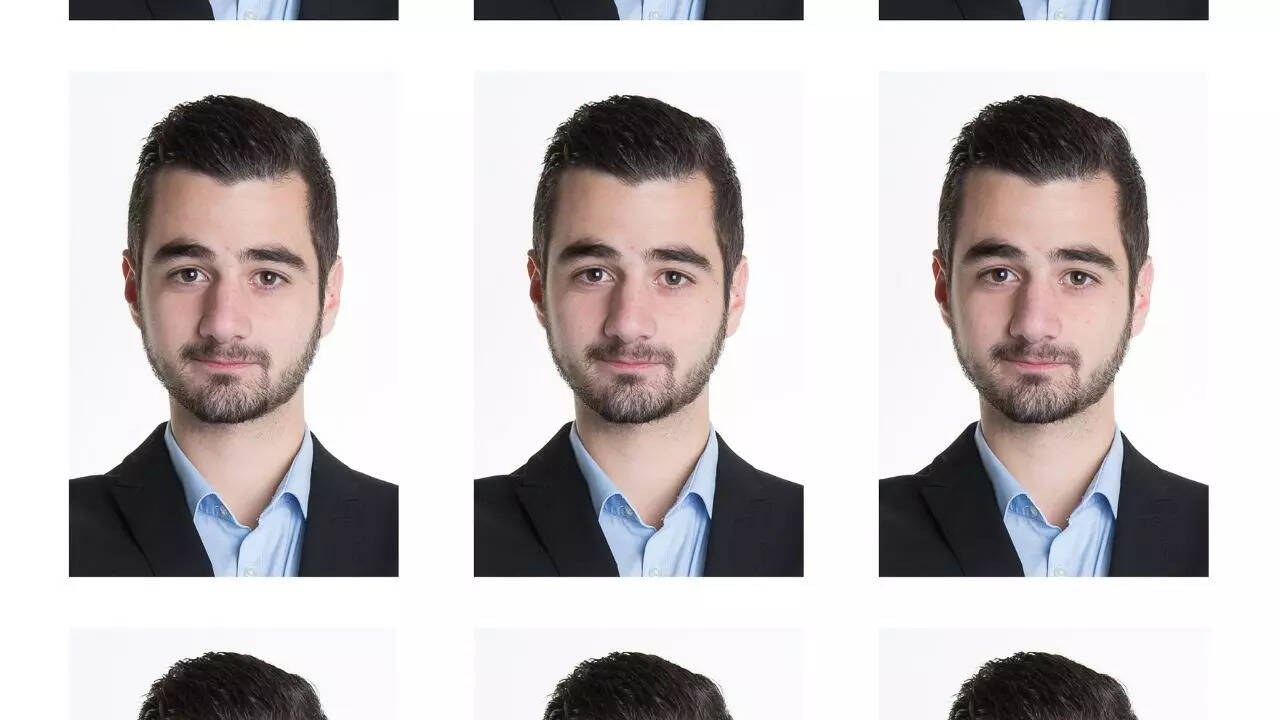
Why you can’t smile in your passport photo continues to matter even after your passport is issued. Smiling photos can cause issues at automated e-gates.The system may fail to match your live image with the stored photo. That does not mean denial of entry, but it often leads to manual checks, extra questions, and longer waiting times. The process becomes slower simply because the match is less precise.
Why neutral photos age better
Why you can’t smile in your passport photo is also about time. Passports are valid for many years. Faces change. Weight shifts. Hairlines move. Skin texture alters.A neutral expression changes less dramatically than a smile. Smiles are affected by dental work, muscle tone, and facial fullness. Neutral faces provide a steadier reference as you age, making long-term identification easier.
It is a technical rule, not a judgement
Why you can’t smile in your passport photo and what happens if you do makes more sense when you stop viewing it as a personal restriction. The rule is not about removing warmth or personality.It is about accuracy. Speed. Reliability. A few seconds of discomfort during a photo can save hours of inconvenience later. Not smiling may feel unnatural, but it helps your identity travel smoothly wherever you go.Also read| 5 New Year getaways near Delhi that are perfect for a short trip