
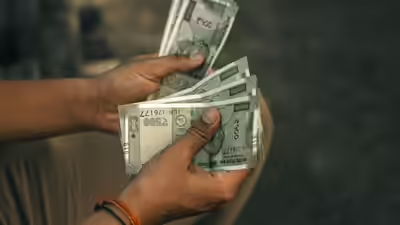
Most people think of their wallet as a safe, boring place that holds notes, cards and maybe an old movie ticket. For microbiologist Dr Shweta, it is also a petri dish waiting to happen. In one of her reels, she shows what really lives on money, and the result is a plate full of soft, fuzzy fungal colonies that look more like an alien landscape than something that once sat in a person’s pocket.
What Dr Shweta actually did

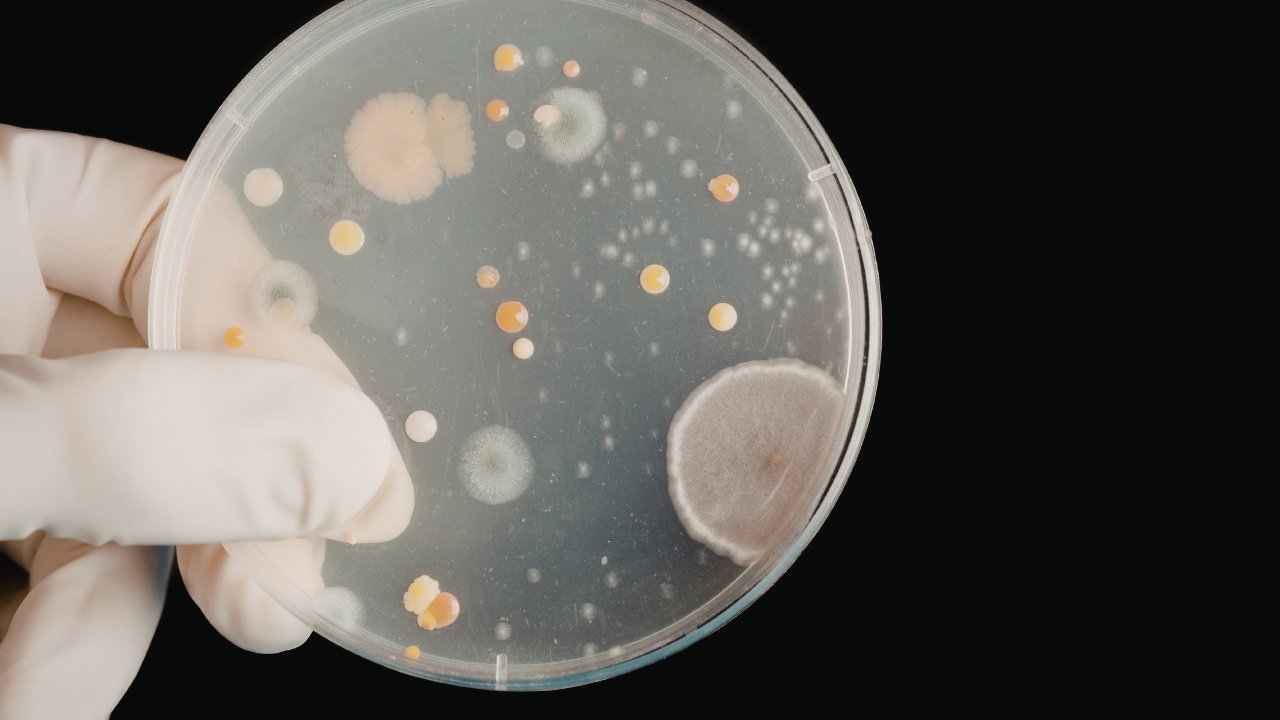
In the lab, Dr Shweta took money and gently pressed it onto a culture plate, then left it to incubate. After some time, multiple colonies of fungus appeared, each with its own colour, shape and texture. A simple note had turned into a small forest of mould. The reel is short and almost playful, but it gives viewers a rare chance to see what microbiologists see when they translate “invisible dirt” into something you can actually look at.
Why money carries so many germs
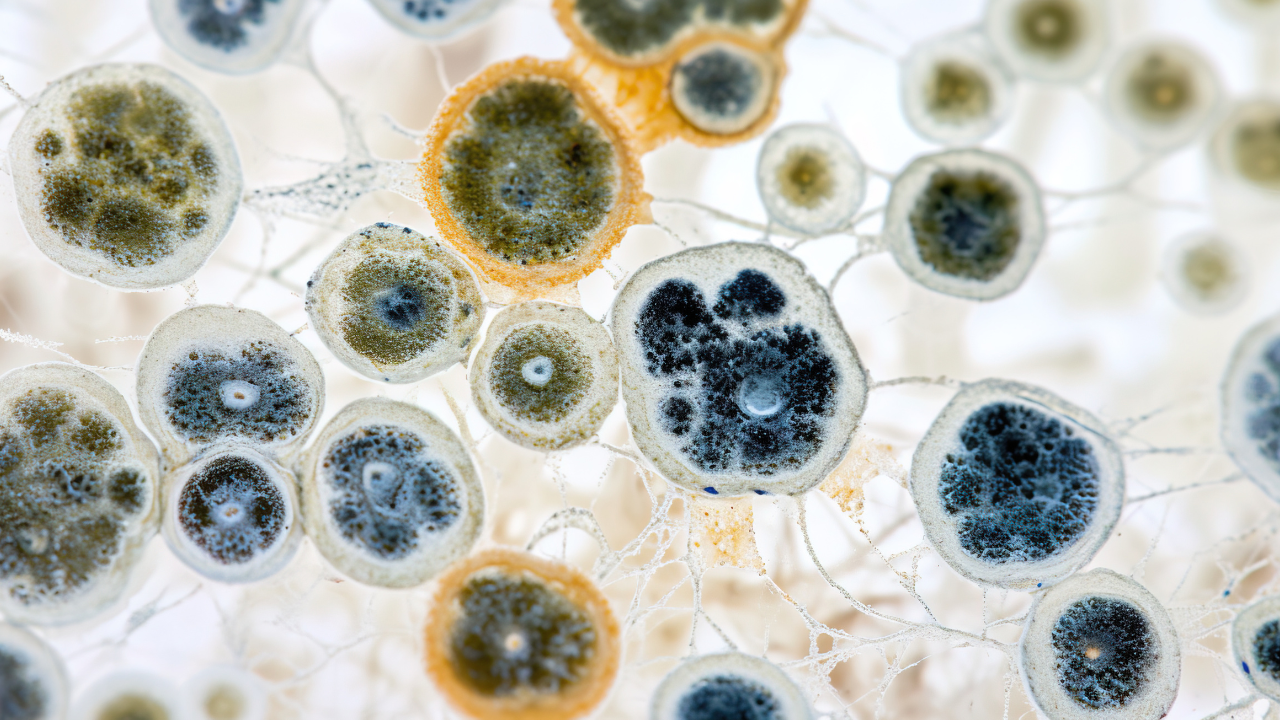
Money changes hands all day. It moves from shop counters to bus conductors, from hospital pharmacies to street food stalls, without ever being washed. The paper and ink of notes, and the tiny grooves on coins, give microbes little places to cling to.Add sweat, humidity and the warmth of pockets or wallets, and you get a comfortable environment for fungi and bacteria to survive long enough to reach the next person who touches that note.
Fungi on money and what it means for health
The fluffy circles on Dr Shweta’s plate are not just a lab curiosity. Some environmental fungi can cause infections in people whose defences are weaker, such as those with diabetes, long term illnesses or skin conditions. For most healthy people, a quick touch is not likely to cause serious illness by itself, but the risk grows when contaminated hands touch the face, food or open skin.Over time, this can contribute to skin rashes, nail infections or, in rare cases, more serious problems in people whose immunity is already low.
Hand hygiene as the quiet hero
The heart of her message is simple. It is not about being scared of money. It is about remembering that our hands are the bridge between dirty surfaces and our bodies. If you wash the bridge, far fewer germs make it across.That means washing hands with soap and water after handling cash, before eating and when you return home. When soap and water are not handy, a small bottle of alcohol based hand rub in your bag or at the counter can help. These are small habits, but they add up.
Small changes you can make today
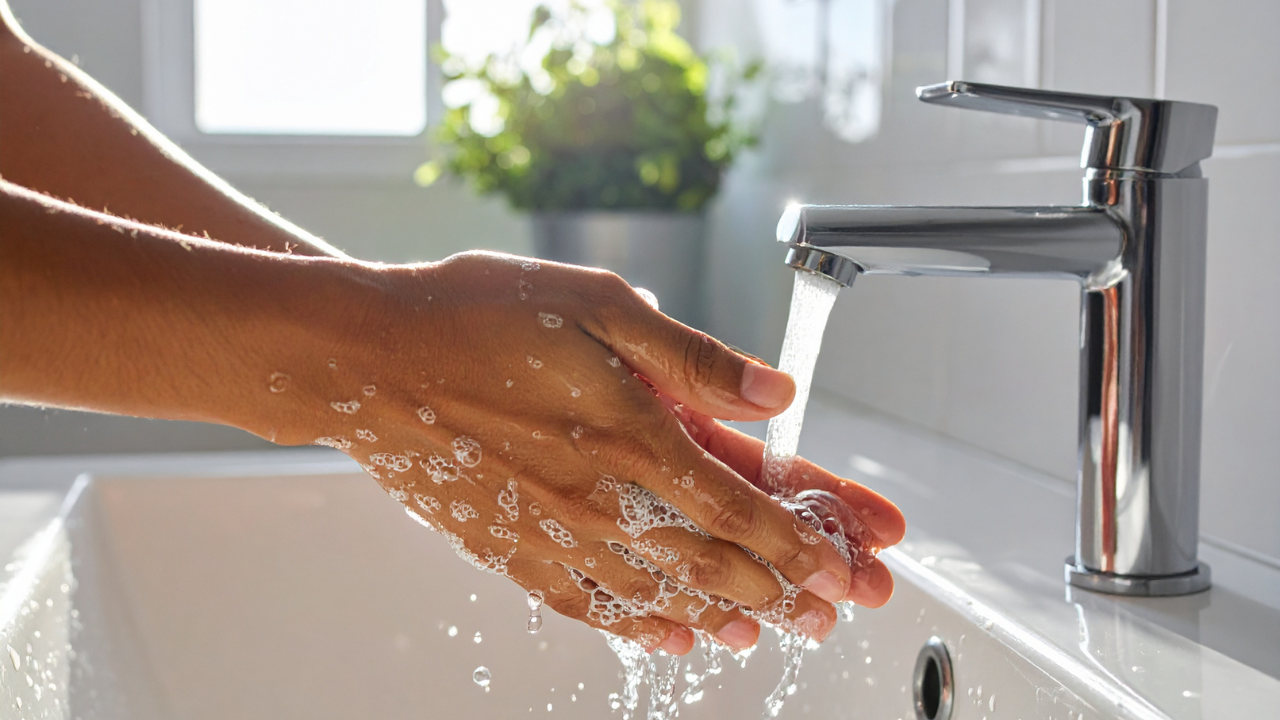
Dr Shweta’s reel is a nudge to adjust a few everyday behaviours:Try not to count notes while eating or cooking. Finish your food tasks first, then handle the money. Avoid rubbing your eyes, touching your lips or picking at the skin around your nails right after dealing with cash.If you work with money all day, keep sanitizer nearby and use it regularly between customers.If you have eczema, cracked skin, diabetes or frequent skin infections, be extra kind to your hands. Clean them often and keep cuts covered.
Seeing daily life through a microbiologist’s eyes
What makes her content so engaging is that she does not lecture. She simply shows the plate and lets people draw their own conclusions. The neat rings and fuzzy patches of fungus growing from an ordinary note turn a boring fact about “germs” into a picture that sticks in your mind.Through her lens, money stops being only a symbol of value and becomes a reminder that we are constantly sharing the invisible world with each other. The goal is not panic, but awareness. With clean hands, small mindful habits and a bit of respect for what we cannot see, we can keep using cash while quietly protecting our own health and the health of everyone who touches the same notes after us.