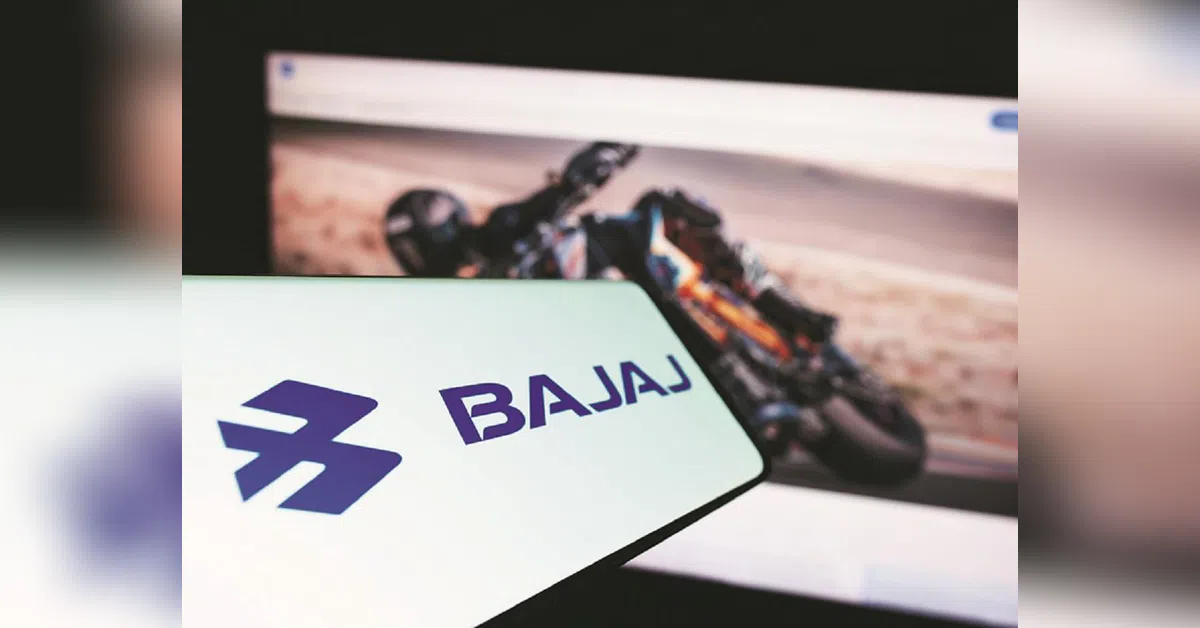
Bajaj Auto is doubling down on its most recognisable motorcycle brand — the Pulsar.
At the company’s Q4 FY26 earnings interaction, Executive Director Rakesh Sharma was characteristically guarded on specifics, but he said: “We will have new motorcycles in the 125cc and in the 150cc to 250cc segment — we would like to put them in as early as possible, particularly in quarter two, so that we are in time to harness the surge which usually comes in the season time.” These would be mostly under the Pulsar umbrella.
The Pulsar brand has grown in volume and relevance in recent months. Between October 2025 and March 2026, Bajaj introduced nearly eight to 10 variants and upgrades across the Pulsar N and NS series alone. Sharma noted that these refreshed models now account for over 50 per cent of Bajaj’s sales in the 150cc-plus segment — a sign that the new product cadence is translating directly into consumer acceptance. The launch calendar for the rest of FY27 will be similarly active.
SIAM data for FY26 reveals that the 150–200cc segment — the heart of Pulsar territory — was the fastest-growing major segment in the Indian motorcycle market, expanding 37.5 per cent year-on-year to 1.51 million units. Bajaj’s own volumes in this band surged 61.5 per cent, significantly outpacing the segment average. The 200–250cc segment, where the Pulsar 220, Pulsar 250, and Dominar play, grew even faster at 66.9 per cent, though from a smaller base of 223,066 units. Bajaj is the leader in the 200–250cc segment and the second-largest player in the 150–200cc segment behind TVS — and the market is moving in its favour.
Sharma’s read of the broader industry is nuanced. He described a motorcycle market that roared through FY26 at 20 per cent-plus growth rates in its latter half, only to hit an air pocket in April 2026.
A confluence of geopolitical disruption — stemming from the Middle East crisis — led to LPG shortages, supply-chain stress, and softening consumer sentiment. He now expects the industry to moderate to 7–9 per cent growth in the near term, a sharp step-down from recent momentum.
He was careful to distinguish between the two halves of this market. “The growth is continuing largely from the top half and in particular from the 150cc-plus segment, which is expected to grow at twice the rate,” he said. For Bajaj, whose portfolio is precisely weighted towards that upper half, the softening is a challenge mostly for competitors more exposed to the entry commuter space.
The SIAM numbers validate this. The sub-110cc segment — Hero MotoCorp’s stronghold with over 81 per cent market share — grew just 4.5 per cent in FY26. The 110–125cc band was virtually flat at 0.4 per cent growth. The 125–150cc segment contracted sharply by 27.3 per cent, as buyers skipped that rung of the ladder entirely. The message from consumers is unambiguous: They are leaning towards more powerful, feature-rich premium bikes, and they are willing to pay for them.
Moreover, there is a cost headwind to navigate. Sharma acknowledged that raw material prices — particularly the metal complex — are rising 3–5 per cent, and the company raised prices from April 1, 2026. He noted that approximately 30–40 per cent of the GST rate-cut benefit that had uncorked demand last year has effectively been reversed through these price increases. The saving grace for Bajaj is a favourable dollar realisation rate, now at Rs 95 to the dollar versus ₹90 just a month earlier, which helps cushion margin pressure given that exports now constitute a substantial share of its business.
On exports, Sharma was bullish. Bajaj crossed 600,000 units per quarter for the second consecutive time, recording its highest-ever dollar export revenues of $2.2 billion in FY26. SIAM data confirms that Bajaj accounted for approximately 55 per cent of all Indian motorcycle exports in FY26 — a commanding position built on the back of its Latin America push, with the Pulsar brand selling at a premium in markets across the region.